








What happened
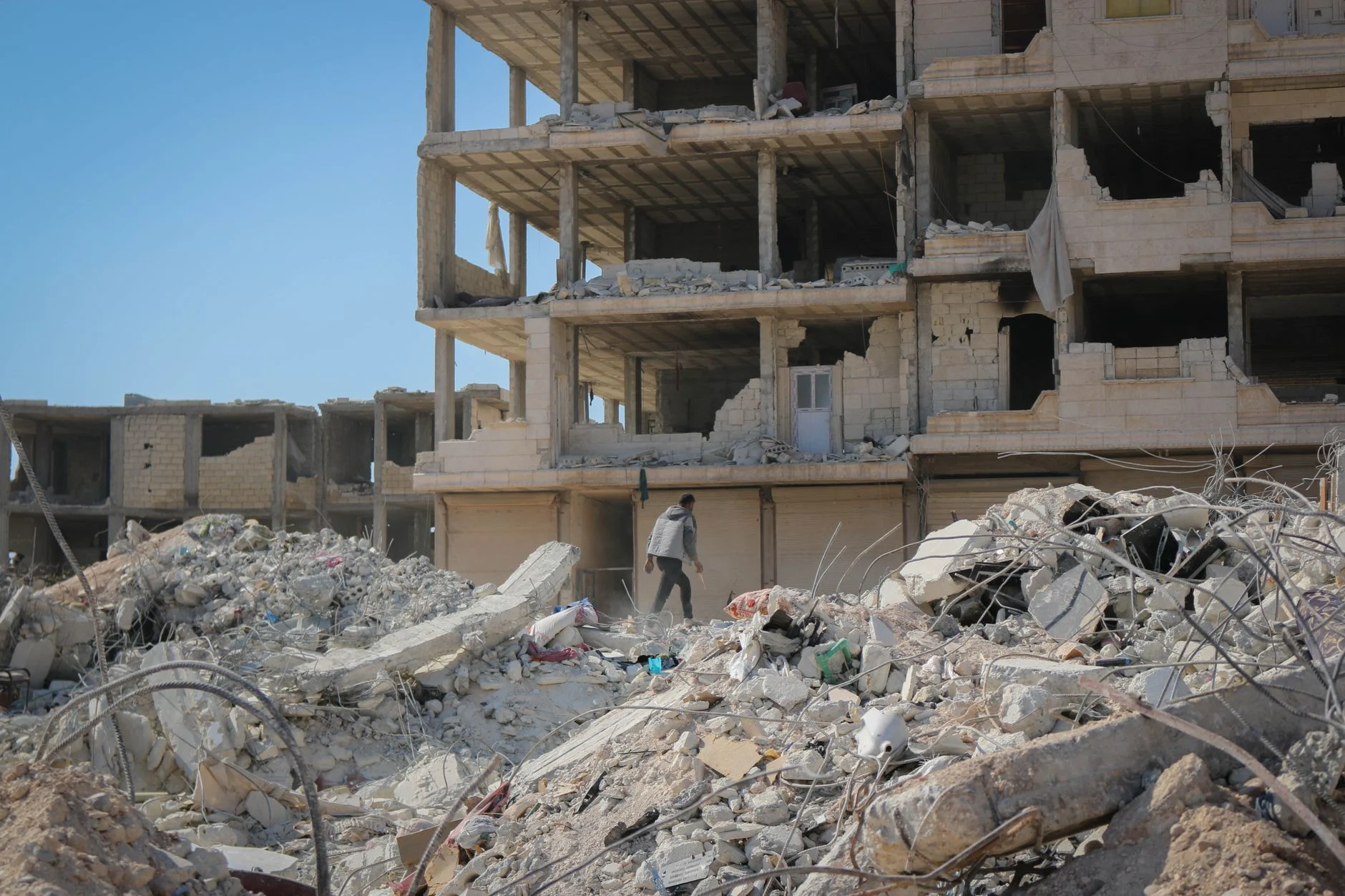
In recent years, post-conflict reconstruction has increasingly attracted attention to the evolving landscape of financing mechanisms designed to support sustainable recovery. Traditional aid and government-led funding approaches are being supplemented—and in some cases supplanted—by innovative financial instruments and strategic public-private partnerships that aim to address the complex challenges of rebuilding societies emerging from conflict. These developments reflect a broader shift towards diversified and resilient funding frameworks that emphasize long-term stability and scalability.
Why it matters
The financing of post-conflict reconstruction is critical not only for immediate humanitarian relief but also for fostering durable peace, economic revitalization, and social cohesion. Conventional funding models have often struggled with inefficiencies, fragmentation, and limited capacity to engage diverse stakeholders. By contrast, emerging financing approaches promise enhanced coordination, risk-sharing, and alignment of incentives across public, private, and multilateral actors. Understanding these shifts is essential for policymakers, international organizations, and investors aiming to optimize resource allocation and impact in fragile environments.
Industry context
Post-conflict reconstruction historically relied heavily on bilateral aid, multilateral development banks, and non-governmental organizations. While these sources remain vital, the scale and complexity of rebuilding efforts have outpaced traditional funding streams. The rise of blended finance—combining concessional funds with private capital—has opened new avenues for mobilizing resources. Additionally, innovative instruments such as social impact bonds, resilience bonds, and conflict risk insurance products are gaining traction. These tools seek to leverage market discipline, incentivize outcomes, and manage risks inherent to post-conflict settings.
Analysis
The integration of innovative financing models into post-conflict reconstruction reflects a pragmatic response to the multifaceted nature of rebuilding. Public-private partnerships serve as conduits for knowledge transfer, capacity building, and resource mobilization, fostering an ecosystem where private sector participation is aligned with public good objectives. Financial instruments that incorporate performance-based metrics encourage accountability and measurable outcomes, addressing common critiques of aid dependency and inefficacy.
However, challenges remain. The complexity of structuring blended finance deals requires sophisticated governance frameworks and robust data to assess risks and returns accurately. Moreover, ensuring that these models are inclusive and sensitive to local contexts is paramount to avoid exacerbating inequalities or undermining social trust. The coordination among diverse actors—including governments, international agencies, private investors, and civil society—must be carefully managed to maintain coherence and transparency.
What to watch next
Future developments will likely hinge on the scalability of these innovative financing mechanisms and their ability to adapt to diverse post-conflict scenarios. Attention should be paid to emerging case studies demonstrating successful deployment, particularly those integrating digital technologies for monitoring and evaluation. The evolution of regulatory environments and international standards governing blended finance and impact investing will also be critical.
Furthermore, the capacity to effectively measure social and economic impact in volatile settings will influence investor confidence and the willingness of public actors to engage in risk-sharing arrangements. Observers should monitor how lessons learned are institutionalized within multilateral frameworks and whether these financial innovations catalyze more resilient and inclusive reconstruction processes globally.
Ask AI about this story
Answers are based on this article and SN Media’s related coverage. AI can make mistakes.
Frequently asked questions
What new financing models are emerging for post-conflict reconstruction?
Emerging models include blended finance combining concessional funds with private capital, social impact bonds, resilience bonds, and conflict risk insurance products, which aim to leverage market discipline and incentivize outcomes.
How do public-private partnerships contribute to post-conflict reconstruction financing?
Public-private partnerships facilitate knowledge transfer, capacity building, and resource mobilization, aligning private sector participation with public good objectives and fostering accountability through performance-based metrics.
What challenges are associated with innovative financing in post-conflict settings?
Challenges include the complexity of structuring blended finance deals, the need for sophisticated governance and robust data, ensuring inclusivity and sensitivity to local contexts, and managing coordination among diverse stakeholders to maintain coherence and transparency.
What factors will influence the future success of these innovative financing mechanisms?
Future success depends on scalability, adaptability to diverse post-conflict scenarios, integration of digital monitoring technologies, evolution of regulatory frameworks, effective impact measurement, and institutionalizing lessons within multilateral systems.
Continue the story
 LATEST
The Impact of US Aid Reductions on HIV Services in Africa: A Closer Look
LATEST
The Impact of US Aid Reductions on HIV Services in Africa: A Closer Look
- LATEST Gabon’s Debt Transparency Issues Highlight Risks in Emerging Market Bonds
- LATEST How Soaring US Yields Are Reshaping Emerging Market Debt Portfolios
- LATEST How AI Investment is Reshaping Corporate Credit Markets
- LATEST How Michigan’s Public-Private Partnerships Are Shaping the Future of American Manufacturing