








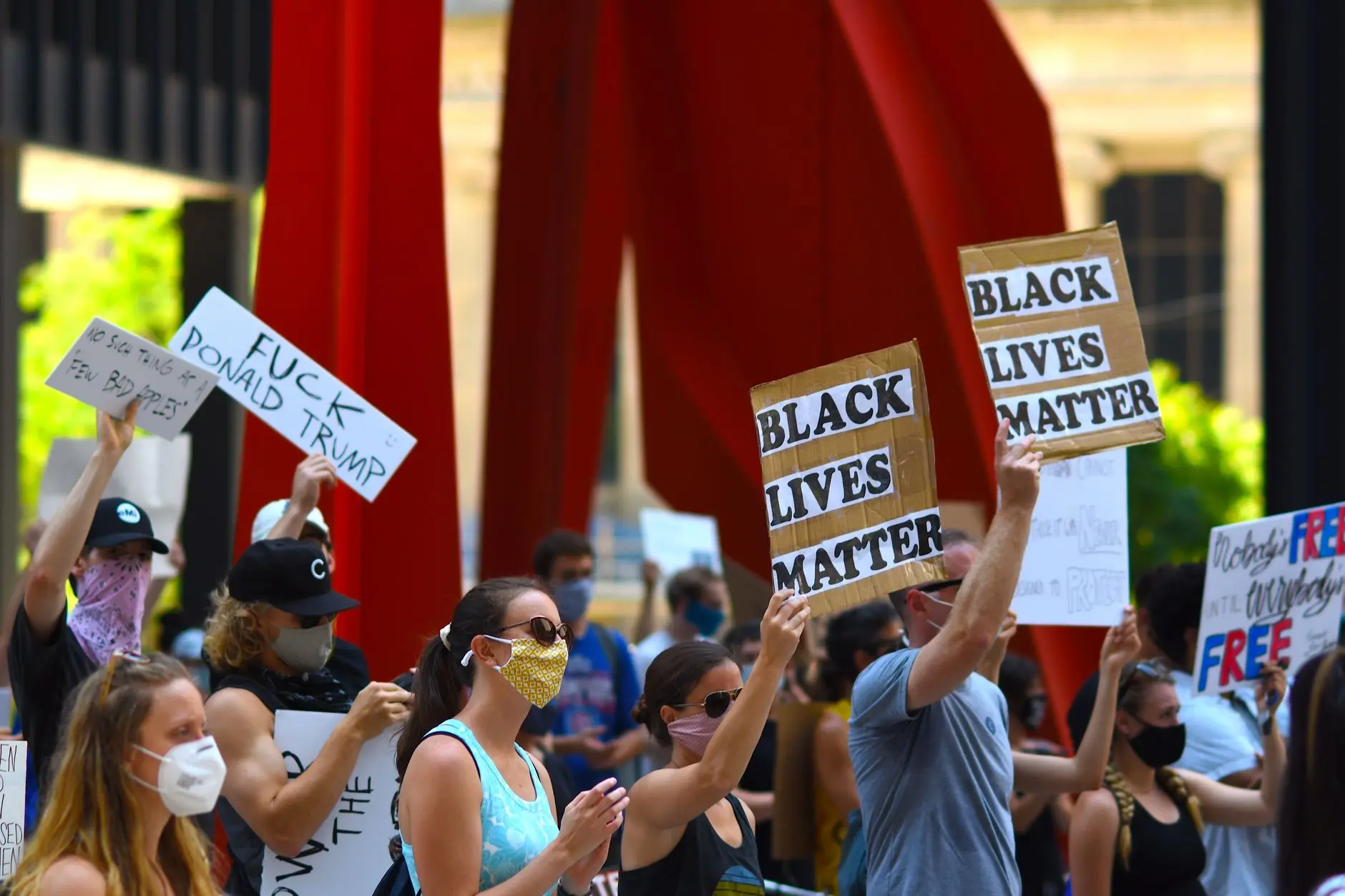
- Robust US economic growth has not translated into higher approval ratings for Donald Trump.
- Public anxiety around artificial intelligence and cost of living pressures dampens enthusiasm for incumbent political figures.
- The disconnect reflects a broader challenge in aligning macroeconomic indicators with lived economic realities.
- Political support increasingly hinges on perceptions of future stability rather than present metrics.
The Paradox of Prosperity: Why Economic Growth Isn’t Boosting Trump’s Popularity
What happened
The United States has experienced notable economic expansion in recent quarters, with GDP growth rates exceeding expectations and unemployment remaining near historic lows. Despite these indicators of economic health, polling data reveals that former President Donald Trump’s popularity has not increased in tandem. Instead, his approval ratings remain relatively flat or have even declined in some segments of the electorate. This divergence appears counterintuitive in a conventional political economy framework, where positive economic performance generally bolsters incumbent or associated political figures.
Why it matters
This phenomenon underscores a critical shift in the dynamics of political legitimacy and voter behavior. Economic growth, traditionally a central pillar of political capital, no longer guarantees popular support. Voters’ perceptions are influenced by complex, sometimes contradictory factors beyond headline economic statistics. Rising public anxiety about emerging technologies—especially artificial intelligence—and persistent cost of living challenges are reshaping the political landscape. Understanding this disconnect is essential for interpreting future electoral outcomes and the evolving relationship between economic policy and political authority.
Industry context
Historically, economic growth has served as a reliable metric for political success, with incumbents leveraging strong GDP figures and low unemployment to consolidate power. However, the modern economy is characterized by a growing disparity between aggregate data and individual economic experiences. Inflation, housing costs, healthcare expenses, and wage stagnation contribute to a perception of economic insecurity among broad swathes of the population. Simultaneously, technological disruption—particularly from AI advancements—is heightening uncertainty about job security and societal change. These factors complicate the traditional model linking economic performance to political favor.
Analysis
The persistence of Trump’s stagnant popularity amid favorable economic data reveals the limits of conventional economic indicators in capturing voter sentiment. GDP growth and unemployment rates are aggregate measures that can obscure underlying inequalities and localized hardships. For many Americans, the cost of living continues to rise faster than wages, eroding real purchasing power and fostering a sense of economic vulnerability. Furthermore, the rapid development and deployment of AI technologies introduce an additional layer of uncertainty. Concerns about automation, job displacement, and ethical governance of AI fuel public apprehension that economic statistics alone cannot assuage.
Politically, Trump’s brand has historically thrived on tapping into economic and cultural grievances. Yet, the current economic narrative is less clear-cut. While some voters may benefit from macroeconomic growth, others perceive the future through the lens of instability and disruption. This bifurcation reduces the potency of economic performance as a unifying political message. Additionally, the polarized media landscape amplifies these anxieties, often framing economic and technological developments in ways that deepen public unease rather than confidence.
What to watch next
Future political dynamics will hinge on how economic realities and technological transformations continue to intersect. Key indicators include wage growth relative to inflation, regional variations in economic prosperity, and public sentiment around AI governance and labor market impacts. Policymakers’ ability to address cost of living pressures and regulate emerging technologies in a transparent manner will influence political capital. Tracking shifts in voter priorities—particularly among economically vulnerable and younger demographics—will be crucial to understanding whether economic growth can regain its traditional role in shaping political fortunes or if new frameworks of legitimacy will emerge.
Ask AI about this story
Answers are based on this article and SN Media’s related coverage. AI can make mistakes.
Frequently asked questions
Why hasn't Donald Trump's popularity increased despite strong US economic growth?
Trump's approval ratings remain flat or have declined because public anxiety over AI and cost of living pressures dampens enthusiasm, creating a disconnect between economic indicators and voter sentiment.
How do economic indicators like GDP growth and unemployment fail to reflect voters' experiences?
These aggregate measures obscure underlying inequalities and localized hardships, such as rising inflation, housing costs, healthcare expenses, and wage stagnation, which contribute to a widespread perception of economic insecurity.
What role does anxiety about artificial intelligence play in shaping political support?
Concerns about AI-related job displacement, automation, and ethical governance increase public uncertainty and apprehension, complicating the traditional link between economic performance and political favor.
What factors will influence future political dynamics related to economic growth and technology?
Key factors include wage growth relative to inflation, regional economic variations, public sentiment on AI governance and labor impacts, and policymakers' effectiveness in addressing cost of living pressures and regulating emerging technologies.
Continue the story
 LATEST
How Economic Growth, Not Inflation, is Shaping Treasury Yields
LATEST
How Economic Growth, Not Inflation, is Shaping Treasury Yields