








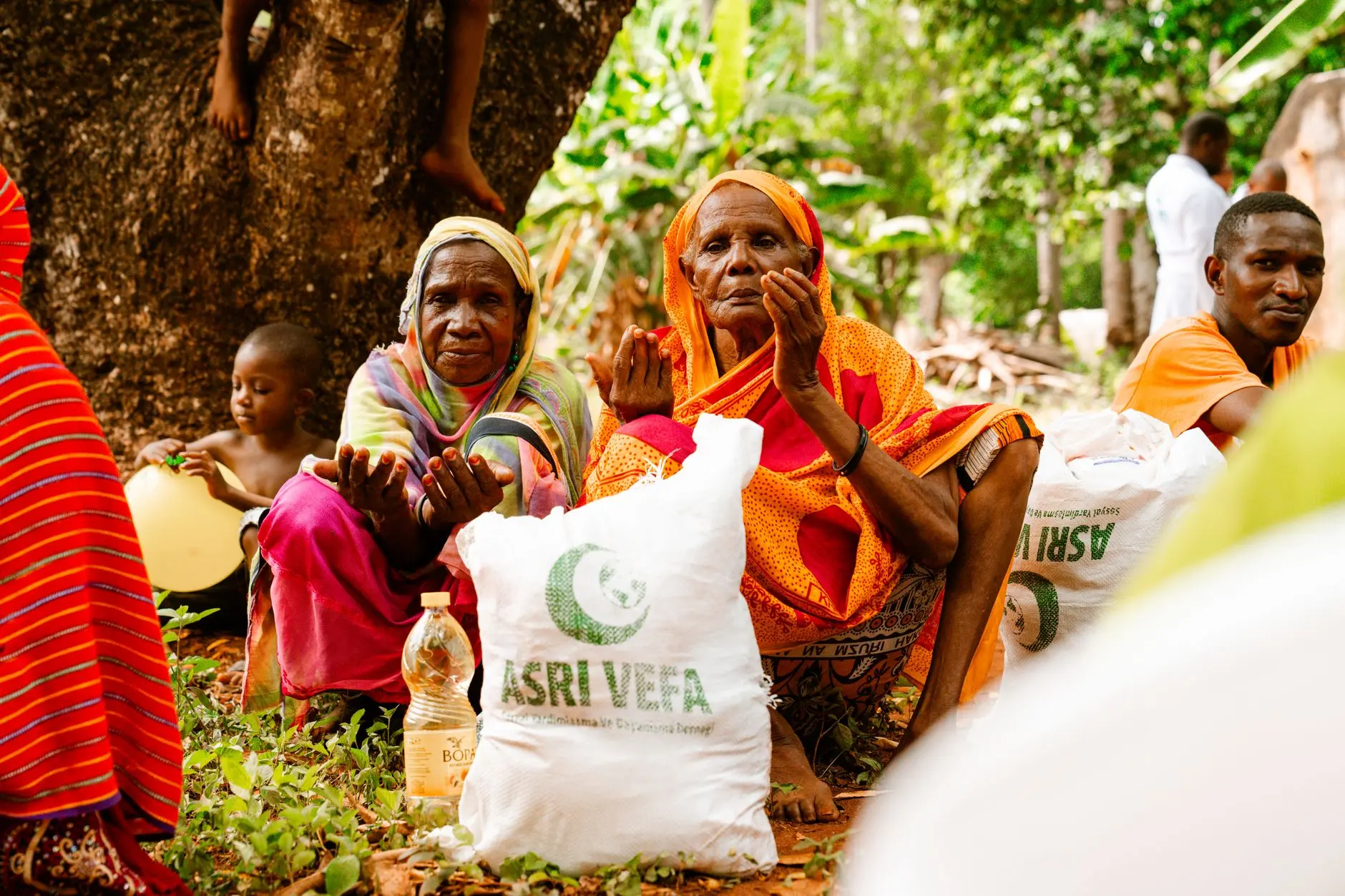
- US reductions in HIV aid funding have caused marked declines in prevention, testing, and treatment services in Uganda and Zimbabwe.
- Vulnerable groups, including women and youth, face disproportionate impacts as service accessibility contracts.
- These funding shifts undermine progress toward global HIV targets and risk reversing gains made over the past decade.
- Local health systems struggle to compensate amid limited alternative financing and structural constraints.
The Impact of US Aid Reductions on HIV Services in Africa: A Closer Look
What happened
Recent analysis reveals that cuts in United States foreign aid directed toward HIV programs have had a tangible and adverse impact on service delivery in key African countries, notably Uganda and Zimbabwe. Following reductions in funding allocations from US agencies, local health providers reported significant drops in the availability and utilization of HIV prevention, testing, and treatment services. Specific data from these countries indicate that clinics experienced diminished capacity to conduct community outreach, reduced stock of antiretroviral drugs, and fewer testing kits in circulation. The trend manifests as a contraction in the healthcare safety net for millions living with or at risk of HIV.
Why it matters
US aid has constituted a substantial portion of international support for HIV/AIDS interventions in sub-Saharan Africa. The withdrawal or scaling back of these resources disrupts a finely calibrated ecosystem of public health provision. For populations already vulnerable due to socioeconomic factors, such as women, adolescent girls, and marginalized communities, reductions in service availability translate into increased risk of new infections and interruptions in life-saving treatment regimens. These setbacks compromise not only individual health outcomes but also broader epidemiological control efforts, threatening to reverse declines in HIV incidence and mortality that have been hard-won over the past decade.
Industry context
The US President’s Emergency Plan for AIDS Relief (PEPFAR) and related US funding mechanisms have historically been instrumental in establishing and sustaining HIV programs across Africa. However, shifts in US foreign policy priorities, budgetary pressures, and competing global health challenges have contributed to a reallocation of resources away from HIV. Concurrently, many African health systems remain reliant on external funding, as domestic health budgets are often insufficient to fully absorb these reductions. International donors such as the Global Fund have also faced financial constraints, complicating efforts to fill funding gaps. The result is a precarious balance where gains in HIV control are vulnerable to geopolitical and fiscal fluctuations.
Analysis
The consequences of diminished US aid funding in HIV services expose structural vulnerabilities within global health financing models. The heavy dependence on a limited number of donors creates systemic risk for sustained program delivery. Uganda and Zimbabwe exemplify how abrupt funding contractions translate into immediate operational challenges—ranging from supply chain disruptions to workforce shortages. Such disruptions undermine community trust and engagement, critical components for effective HIV service uptake. Moreover, the reductions disproportionately affect preventive efforts, which are less politically visible but essential for long-term epidemic control. The interplay of donor priorities, domestic resource mobilization capacity, and the epidemiological realities on the ground creates complex trade-offs. Without strategic rebalancing, fragile health systems may face escalating burdens that exacerbate HIV transmission dynamics.
What to watch next
Future developments hinge on how donor countries, African governments, and multilateral organizations navigate these funding shortfalls. Key indicators to monitor include shifts in domestic health expenditure allocations toward HIV programs, innovations in service delivery to optimize limited resources, and the emergence of new financing mechanisms or public-private partnerships. Additionally, tracking epidemiological data on HIV incidence and treatment adherence in affected regions will provide insight into the medium-term impact of aid reductions. Diplomatic engagements and budget negotiations in Washington and international forums will also signal whether renewed commitments or strategic realignments might stabilize or reverse the current trends. The sustainability of HIV control efforts in Africa will increasingly depend on adaptive governance and diversified funding streams.
Ask AI about this story
Answers are based on this article and SN Media’s related coverage. AI can make mistakes.
Frequently asked questions
What specific impacts have US aid reductions had on HIV services in Uganda and Zimbabwe?
Cuts in US HIV aid have led to significant declines in prevention, testing, and treatment services, including reduced community outreach, shortages of antiretroviral drugs, and fewer testing kits, thereby contracting healthcare access for millions.
Which populations are most affected by the reduction in HIV service availability?
Vulnerable groups such as women, adolescent girls, and marginalized communities face disproportionate impacts due to decreased service accessibility, increasing their risk of new infections and treatment interruptions.
Why are African health systems struggling to compensate for the loss of US funding?
Many African health systems depend heavily on external funding, with domestic budgets insufficient to cover shortfalls; financial constraints among other international donors further complicate efforts to fill these gaps.
What factors will determine the future trajectory of HIV control efforts in the affected regions?
Key factors include domestic health spending shifts, innovations in service delivery, new financing mechanisms, epidemiological trends, and diplomatic or budgetary decisions by donor countries and international organizations.
Continue the story
 BACKGROUND · How we got here
Impact of US Economic Strength on Emerging Market Currencies
BACKGROUND · How we got here
Impact of US Economic Strength on Emerging Market Currencies