







What happened
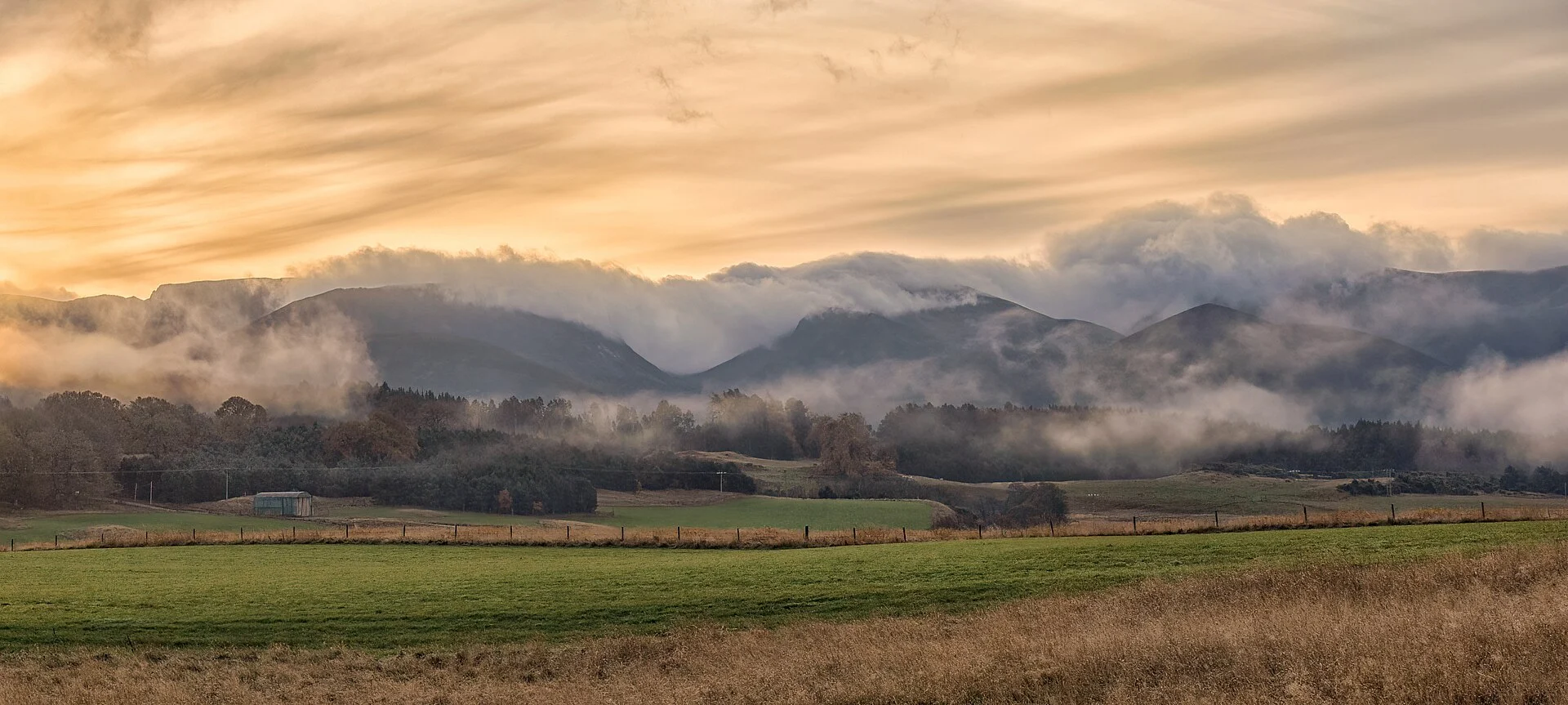
In recent weeks, the Cairngorms National Park in Scotland experienced a significant heathland wildfire that scorched large areas of valuable natural habitat. The blaze rapidly expanded due to dry conditions and strong winds, necessitating extensive firefighting efforts and prompting temporary restrictions on public access. While the fire was eventually brought under control, the scale and intensity of the event have raised concerns about the growing vulnerability of heathland ecosystems to wildfire in the region.
Why it matters
Heathlands represent a unique and sensitive ecosystem, home to diverse flora and fauna and serving important ecological functions such as carbon sequestration and water regulation. The increased frequency and severity of wildfires threaten these landscapes, undermining conservation efforts and risking long-term ecological degradation. Moreover, such fires have implications for air quality and public safety, particularly in rural communities reliant on heathland areas for tourism and livelihoods.
Industry context
Wildfires in heathland and moorland habitats are becoming more prominent across the UK and parts of northern Europe, reflecting broader environmental pressures. Land management practices, including controlled burning and grazing, have historically played a role in maintaining heathland health, but these methods are increasingly challenged by shifting climatic patterns. The forestry, conservation, and emergency response sectors must now contend with a more complex fire risk profile that demands coordinated strategies and adaptive management approaches.
Analysis
The Cairngorms fire exemplifies the intersection of environmental conditions and human factors contributing to wildfire risk. Prolonged periods of drought and unseasonably warm temperatures have desiccated vegetation, creating abundant fuel for fire ignition and spread. At the same time, increased recreational activities and land use changes elevate the likelihood of accidental ignitions. The incident underscores the need for integrated fire risk assessments that account for climate trends, land use dynamics, and public behavior.
Furthermore, the response to the Cairngorms fire has highlighted gaps in preparedness and resource allocation within wildfire management frameworks. Enhanced surveillance technologies, community engagement, and cross-agency cooperation will be critical in mitigating future events. This will also require balancing fire suppression goals with the ecological role of periodic fires in maintaining heathland biodiversity.
What to watch next
Monitoring the aftermath of the Cairngorms blaze will provide valuable insights into ecosystem recovery trajectories and the effectiveness of current land management responses. Attention should also focus on evolving climate models that predict wildfire risk in upland regions and how these forecasts inform policy and operational planning. Additionally, emerging initiatives aiming to integrate traditional land stewardship with modern fire prevention techniques merit close observation for their potential to enhance resilience across heathland landscapes.
Ask AI about this story
Answers are based on this article and SN Media’s related coverage. AI can make mistakes.
Frequently asked questions
What caused the rapid expansion of the Cairngorms heathland wildfire?
The fire expanded rapidly due to dry conditions and strong winds, which desiccated vegetation and created abundant fuel for the fire's ignition and spread.
Why are heathland wildfires a growing concern in the Cairngorms and similar regions?
Heathlands are sensitive ecosystems important for biodiversity, carbon sequestration, and water regulation, and increasing wildfire frequency and severity threaten these functions, conservation efforts, and local air quality and safety.
What challenges do current land management practices face in addressing heathland wildfire risks?
Traditional practices like controlled burning and grazing are increasingly challenged by shifting climatic patterns, requiring more coordinated strategies and adaptive management to address the complex fire risk profile.
What lessons have been identified from the response to the Cairngorms fire?
The response revealed gaps in preparedness and resource allocation, highlighting the need for enhanced surveillance, community engagement, cross-agency cooperation, and balancing fire suppression with the ecological role of periodic fires.
Continue the story
 LATEST
How California’s Early October Heatwave Is Stressing the Power Grid
LATEST
How California’s Early October Heatwave Is Stressing the Power Grid
- LATEST Global Health Security and the Risk of Plague Resurgence in Siberia
- LATEST How Rising Energy Costs Are Reshaping Northern Ireland’s Economic Landscape
- LATEST Balancing Aviation Growth and Climate Goals: The Heathrow Third Runway Dilemma
- LATEST The Economic and Environmental Costs of Heathrow’s Third Runway Expansion