








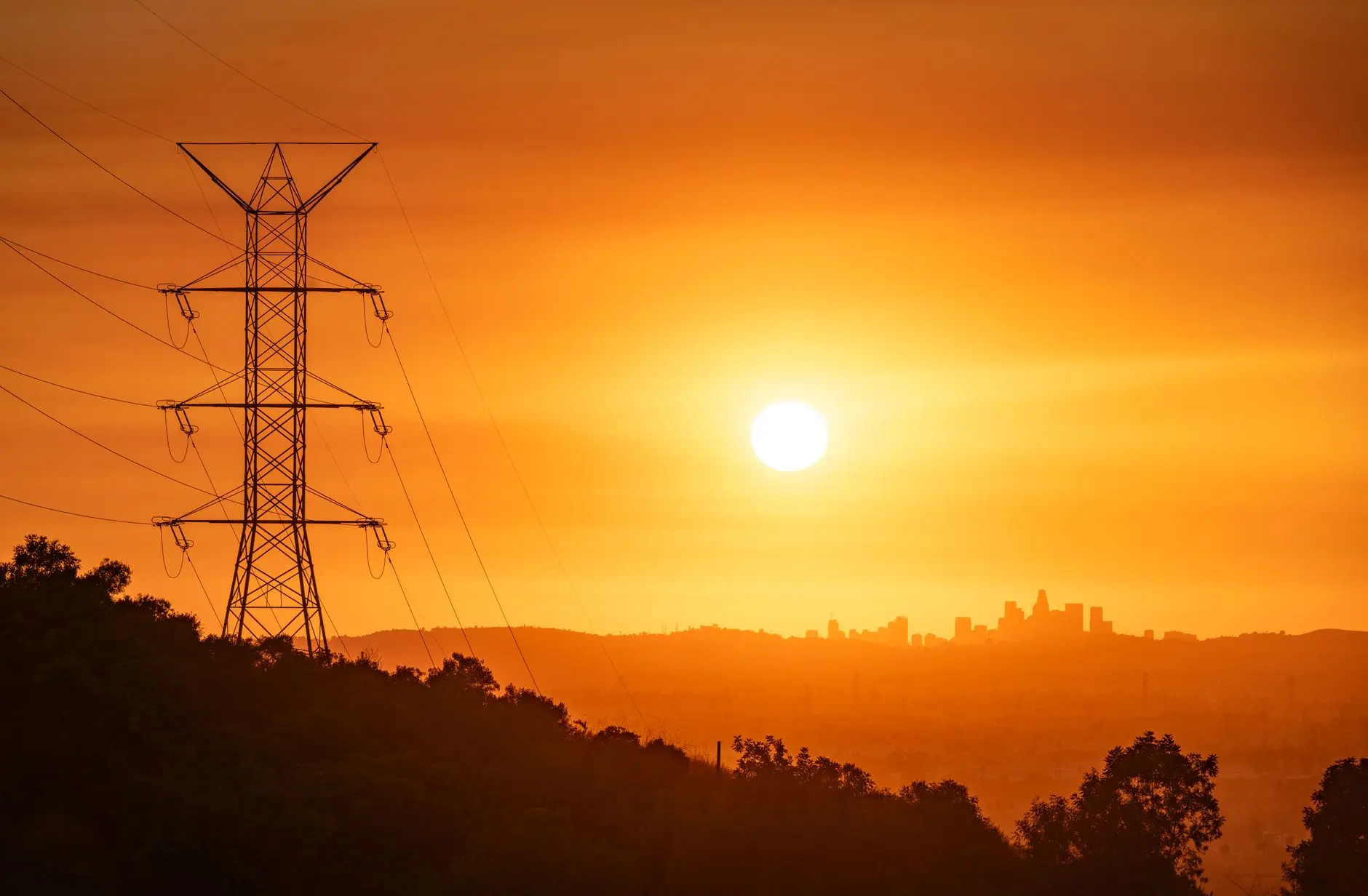
- Early October heatwave in California is pushing electricity demand to near-summer levels
- Power utilities face increased strain balancing peak loads with fire risk mitigation measures
- Climate change is extending periods of high demand beyond traditional seasonal expectations
- Grid operators must navigate complex trade-offs between reliability, safety, and resource constraints
What happened
California experienced an unseasonal heatwave in late September and early October, with temperatures approaching 100 degrees Fahrenheit in some regions. This spike in temperature, occurring well past the typical summer peak, led to a sharp increase in electricity consumption, particularly from air conditioning use. The surge in demand strained the state’s power grid, already under pressure from wildfire-related safety measures that limit some power generation and transmission capabilities. Utilities issued advisories urging consumers to reduce usage during peak hours, while grid operators remained on alert for potential outages or forced power shutdowns.
Why it matters
California’s electricity grid is engineered around historical climate and consumption patterns, with peak demand typically occurring during mid-summer heatwaves. The extension of extreme heat into early autumn disrupts this expectation, complicating demand forecasting and resource allocation. This temporal shift exacerbates existing challenges related to wildfire prevention, as utilities must balance maintaining grid reliability with reducing the risk of fire ignitions from power infrastructure. The situation exposes vulnerabilities in grid flexibility and resilience at a time when climate volatility is increasing the frequency and duration of such events.
Industry context
California’s energy landscape is shaped by its ambitious clean energy goals, wildfire mitigation protocols, and a growing population. The state relies heavily on a mix of renewable sources, natural gas peaker plants, and imports to meet demand. However, wildfire risk has prompted utilities to implement Public Safety Power Shutoffs (PSPS) during high-risk conditions, temporarily disconnecting portions of the grid to prevent sparks from equipment. Meanwhile, the integration of intermittent renewables demands sophisticated grid management to maintain stability. The early October heatwave highlights tensions between these competing imperatives—ensuring sufficient power availability, minimizing fire risk, and advancing decarbonization.
Analysis
The early October heatwave challenges the conventional seasonal calibration of California’s grid. Demand models, typically anchored on summer heat trends, are less effective when extreme temperatures persist into fall, when daylight hours shorten and solar generation wanes. The increased reliance on air conditioning during an unexpected heat period drives up peak loads at a time when renewable output may be declining, compelling greater use of fossil-fuel peakers or imports. Additionally, wildfire prevention measures such as vegetation management, equipment hardening, and PSPS events reduce grid redundancy, narrowing the margin for error during demand spikes.
These conditions underscore the need for adaptive grid management strategies that incorporate evolving climate realities. Investments in energy storage, demand response programs, and enhanced forecasting can mitigate stress during off-peak seasons turned critical. Moreover, coordination between utilities, regulators, and emergency services is essential to manage the trade-offs between maintaining reliability and minimizing fire hazards. The current episode serves as a case study in the complexities of operating a modern grid under climate-induced uncertainty.
What to watch next
Future developments will hinge on the progression of California’s wildfire season and the persistence of atypical weather patterns. Monitoring how utilities adjust PSPS protocols and integrate emerging technologies will provide insight into the grid’s evolving resilience. Regulatory responses, particularly regarding capacity requirements and emergency preparedness, will also shape outcomes. Broader adoption of distributed energy resources and flexible demand mechanisms offers potential relief but requires careful integration. Observers should track whether the early October heatwave becomes a recurring phenomenon, necessitating a fundamental recalibration of seasonal energy planning in California and similar climates worldwide.
Ask AI about this story
Answers are based on this article and SN Media’s related coverage. AI can make mistakes.
Frequently asked questions
What caused the increased electricity demand during California's early October heatwave?
The unseasonal heatwave with temperatures near 100 degrees Fahrenheit led to higher air conditioning use, pushing electricity demand to near-summer levels despite it being early October.
How do wildfire prevention measures affect California's power grid during such heatwaves?
Wildfire mitigation protocols like Public Safety Power Shutoffs (PSPS) and equipment hardening reduce grid redundancy and power generation capacity, which narrows the margin for error during demand spikes caused by heatwaves.
Why is the early October heatwave particularly challenging for grid operators?
The heatwave extends high demand beyond the typical summer season when demand models and renewable energy output are less effective, forcing greater reliance on fossil-fuel peaker plants and imports while balancing fire risk and grid reliability.
What strategies are suggested to improve grid resilience against such climate-induced stresses?
Adaptive grid management including investments in energy storage, demand response programs, enhanced forecasting, and better coordination among utilities, regulators, and emergency services are needed to manage reliability and fire hazard trade-offs.
Continue the story
 LATEST
Power Grid Vulnerabilities Exposed by Hurricane Isaias in the Gulf Coast
LATEST
Power Grid Vulnerabilities Exposed by Hurricane Isaias in the Gulf Coast
- BACKGROUND · How we got here Economic Impact of the Nor’easter on East Coast Businesses and Infrastructure
- LATEST How Rising Energy Costs Are Reshaping Northern Ireland’s Economic Landscape
- BACKGROUND · How we got here Climate Change and the Rhine: How Extreme Weather Disrupts European Supply Chains