







- Overcrowding and poor regulation exacerbate risks in Nigeria’s inland water transport.
- Children represent a disproportionately vulnerable demographic in waterborne accidents.
- Systemic gaps in safety enforcement and infrastructure contribute to recurring tragedies.
- Addressing child safety in water transport requires coordinated policy and community engagement.
The Human Cost: Examining Child Safety in Nigerian Water Transport
What happened
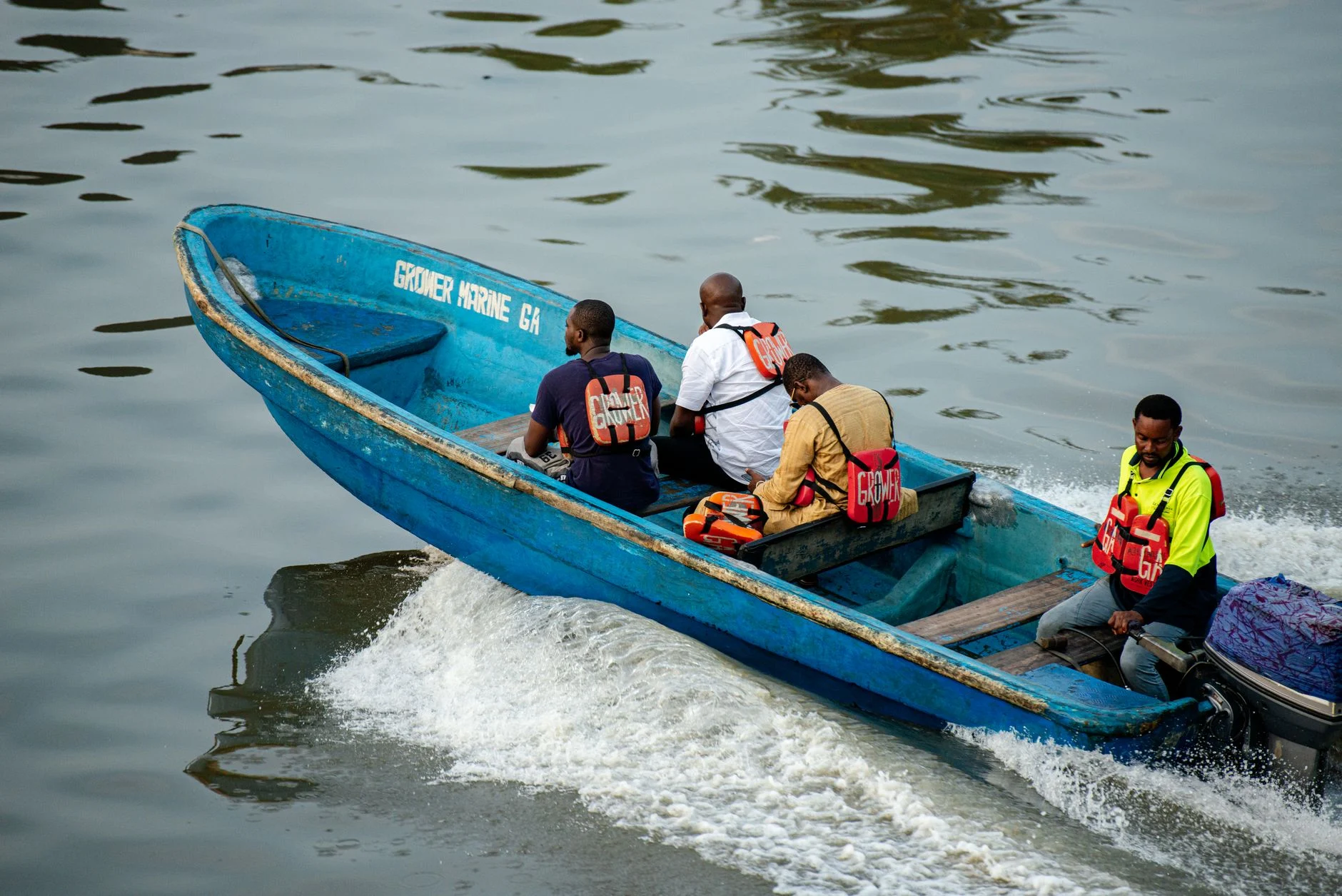
In early April 2024, a boat capsized on the Rima River near Sokoto, northwest Nigeria, resulting in the deaths of dozens of passengers, many of whom were children. Reports indicate that the vessel was overcrowded, carrying more passengers than its capacity, a common occurrence on Nigeria’s inland waterways. The tragedy sharply exposed the vulnerabilities of children traveling by water in regions reliant on such transport modes, where regulatory oversight is often inconsistent and enforcement limited.
Why it matters
The incident underscores a persistent, yet underexamined, public safety challenge: the risks faced by children in water transport. Unlike road or air travel, inland water transport in Nigeria often operates outside rigorous safety frameworks, leaving passengers exposed to hazards. Children, with limited swimming ability and physical resilience, bear a disproportionate share of these risks. These fatalities are not isolated but symptomatic of broader systemic weaknesses that have consistently put lives in jeopardy, calling for urgent attention and remedial action.
Industry context
Nigeria’s extensive river systems—comprising the Niger, Benue, and their tributaries—serve as vital arteries for commerce and daily mobility, particularly in rural and underserved areas. Water transport is often the most affordable and accessible option, yet it exists within a regulatory vacuum marked by inadequate vessel maintenance standards, lax passenger limits, and insufficient safety equipment. The Nigerian Inland Waterways Authority (NIWA) has jurisdiction over these issues but faces resource constraints and enforcement challenges. Informal operators frequently skirt regulations, while communities depend heavily on water transport for economic and social connectivity.
Analysis
The Sokoto tragedy reveals intersecting deficiencies: infrastructure, governance, and social vulnerability. Overcrowding is symptomatic of under-capacity and economic pressures; operators maximize passenger loads to sustain livelihoods amid thin profit margins. Meanwhile, enforcement agencies lack the manpower or political will to impose sanctions or improve standards effectively. Children’s high casualty rates reflect not only their physical vulnerability but also the absence of targeted safety interventions such as child-size life jackets or dedicated awareness campaigns.
The incident also brings into focus the socio-economic context that compels families to expose children to such risks. Limited alternatives to water travel, driven by poor road infrastructure and geographic isolation, mean that risk mitigation must go beyond regulation. Community education, investments in safer vessels, and emergency response capacity are equally critical.
Furthermore, the tragedy poses a governance trade-off: balancing economic viability for transport operators against the imperative for strict safety protocols. Heavy-handed enforcement without alternatives could disrupt essential mobility for isolated populations, suggesting that policy responses must be nuanced and multi-dimensional.
What to watch next
Monitoring government and NIWA’s response will be crucial in assessing whether systemic reforms follow. Key indicators include the introduction of enforceable passenger limits, mandatory safety equipment standards, and enhanced inspection regimes. Equally important will be initiatives aimed at community engagement and child-specific safety measures.
International development partners and civil society organizations may play a role in supporting capacity-building and advocacy efforts. Regional collaboration with neighboring states sharing the waterways could foster harmonized safety protocols.
Ultimately, the trajectory of child safety in Nigerian water transport depends on the alignment of regulatory will, infrastructural investment, and community participation. The Sokoto incident should serve not only as a call to action but as a lens to examine the broader, chronic vulnerabilities embedded in the country’s inland waterway transport ecosystem.
Ask AI about this story
Answers are based on this article and SN Media’s related coverage. AI can make mistakes.
Frequently asked questions
What caused the Sokoto boat tragedy and why were children disproportionately affected?
The boat capsized due to overcrowding, carrying more passengers than its capacity, a common issue in Nigerian inland waterways. Children were disproportionately affected because of their limited swimming ability, physical vulnerability, and the lack of child-specific safety measures like appropriately sized life jackets.
What systemic issues contribute to recurring water transport accidents in Nigeria?
Recurring accidents stem from poor regulation, inadequate vessel maintenance, lax enforcement of passenger limits, insufficient safety equipment, and resource constraints faced by the Nigerian Inland Waterways Authority. Informal operators often bypass regulations, and there is a lack of targeted safety interventions for vulnerable groups such as children.
How do socio-economic factors influence child safety in Nigerian water transport?
Economic pressures lead operators to maximize passenger loads to sustain livelihoods, while families rely on water transport due to poor road infrastructure and geographic isolation. These factors compel children to travel in unsafe conditions, highlighting that risk mitigation requires more than regulation, including community education and safer vessel investments.
What measures are being considered or recommended to improve child safety in Nigerian inland water transport?
Potential measures include enforceable passenger limits, mandatory safety equipment standards, enhanced inspection regimes, community engagement, and child-specific safety campaigns. Monitoring government and NIWA responses, as well as involvement from international partners and regional collaboration, are key to driving systemic reforms.
Continue the story
 LATEST
Global Oil Supply Chains at Risk as Supertanker Shortage Drives Up Costs
LATEST
Global Oil Supply Chains at Risk as Supertanker Shortage Drives Up Costs
- LATEST Climate Change and the Rhine: How Extreme Weather Disrupts European Supply Chains
- LATEST Gabon’s Debt Transparency Issues Highlight Risks in Emerging Market Bonds
- LATEST The Impact of US Aid Reductions on HIV Services in Africa: A Closer Look
- LATEST The Administrative Fallout of Failed Executions in U.S. Prisons