








What happened
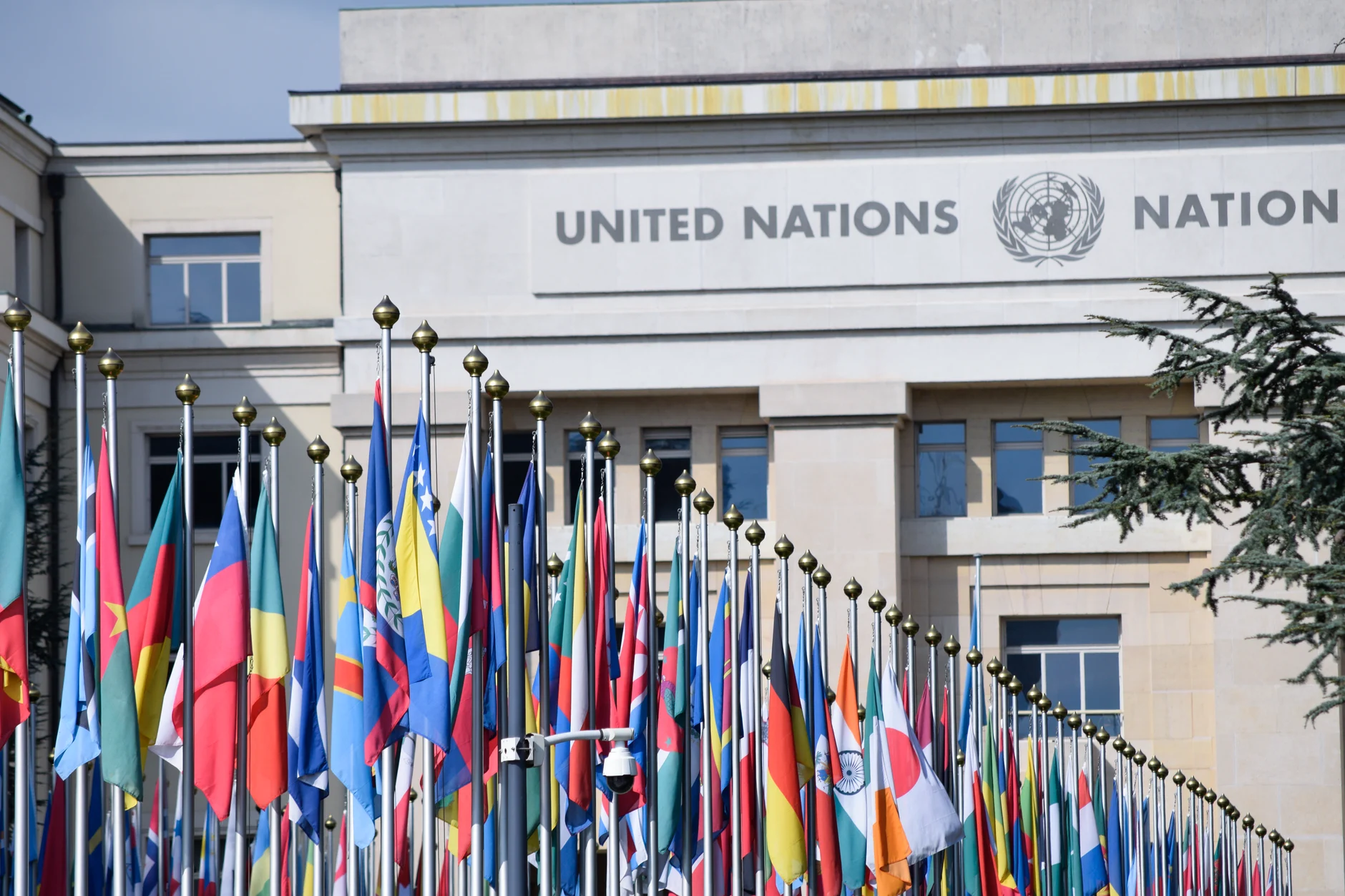
Multilateral institutions continue to face persistent challenges in reaching timely and effective decisions due to their reliance on consensus-based decision-making processes. This approach, while designed to ensure inclusivity and equal representation among member states, increasingly results in gridlock, diluted policy outcomes, and weakened institutional credibility. The inability to adapt governance structures to contemporary geopolitical realities has exposed systemic vulnerabilities that undermine the core mission of these international bodies.
Why it matters
The effectiveness of multilateral institutions is central to managing complex global issues such as climate change, public health crises, security threats, and economic instability. When consensus decision-making stalls action, international cooperation suffers, potentially exacerbating these challenges. The erosion of trust in these institutions risks fragmenting the global order and emboldening unilateral or regional approaches that may lack legitimacy or inclusiveness. Addressing the shortcomings of consensus-based governance is therefore critical for preserving multilateralism as a viable framework for collective problem-solving.
Industry context
Multilateral institutions, including the United Nations, the World Trade Organization, and various regional alliances, have historically employed consensus as a normative principle to promote fairness and prevent dominance by powerful states. This procedural norm reflects the diversity of interests and political systems among member states. However, the geopolitical landscape has evolved with rising multipolarity, shifting alliances, and increasing complexity of transnational issues. In parallel, the expectations for rapid and effective international responses have intensified, placing traditional consensus mechanisms under strain.
Analysis
Consensus decision-making was originally intended to ensure unanimity or near-unanimity, granting all members a voice and facilitating broad legitimacy. Yet, the principle can paradoxically empower the smallest minority to block initiatives, leading to protracted negotiations and watered-down compromises. This dynamic often results in lowest-common-denominator outcomes that fail to address the urgency or scale of global challenges.
Moreover, consensus can mask underlying power asymmetries and strategic vetoes, where states leverage procedural rules to pursue narrow interests at the expense of collective goals. The procedural rigidity also limits adaptability, constraining institutions from experimenting with alternative voting mechanisms or differentiated responsibilities that better reflect contemporary realities.
Some multilateral bodies have experimented with reforms such as qualified majority voting, enhanced transparency, and issue-based coalitions to circumvent deadlock. However, these efforts frequently encounter resistance from members concerned about sovereignty and equity. The tension between inclusivity and decisiveness remains unresolved, highlighting the need for nuanced institutional redesign that balances legitimacy, efficiency, and adaptability.
What to watch next
Future developments will hinge on whether multilateral institutions can reconcile the competing demands of member equality and effective governance. Observers should monitor ongoing debates around procedural reforms, including proposals for weighted voting, majority thresholds, and flexible coalitions. Additionally, the emergence of alternative governance forums and the role of non-state actors could influence how consensus is conceptualized and operationalized.
Crucially, the willingness of member states to prioritize collective interests over narrow national agendas will determine the trajectory of multilateral decision-making. As global challenges intensify, the pressure to evolve consensus mechanisms into more dynamic and responsive frameworks will grow, demanding innovative approaches grounded in political realism and institutional pragmatism.
Ask AI about this story
Answers are based on this article and SN Media’s related coverage. AI can make mistakes.
Frequently asked questions
Why is consensus decision-making causing problems in multilateral institutions?
Consensus decision-making often leads to gridlock because it allows even a small minority of members to block initiatives, resulting in delayed decisions and diluted policy outcomes that fail to address urgent global challenges effectively.
What are some of the reforms multilateral institutions have tried to overcome consensus-related deadlock?
Some institutions have experimented with qualified majority voting, enhanced transparency, and issue-based coalitions, but these reforms often face resistance from members concerned about sovereignty and equity, leaving the tension between inclusivity and decisiveness unresolved.
How does the current geopolitical landscape affect the effectiveness of consensus decision-making?
The rise of multipolarity, shifting alliances, and complex transnational issues have increased expectations for rapid responses, putting traditional consensus mechanisms under strain and exposing their inability to adapt to contemporary realities.
What factors will influence the future of consensus decision-making in multilateral institutions?
Future developments depend on whether member states can balance equality with effective governance, the progress of procedural reform debates, the influence of alternative governance forums and non-state actors, and the willingness of states to prioritize collective over narrow national interests.
Continue the story
 LATEST
EU vs. US: A Comparative Analysis of Trade Strategies in the Battle with China
LATEST
EU vs. US: A Comparative Analysis of Trade Strategies in the Battle with China
- LATEST The Corporate Missteps Behind Nike’s Decline: A Deep Dive
- LATEST Infrastructure Vulnerabilities Exposed by Cable Cut Disrupting Major US Airports
- LATEST The Impact of US Aid Reductions on HIV Services in Africa: A Closer Look
- LATEST Legal Battle Over London Gold Market Rules: Implications for Global Bullion Trading