






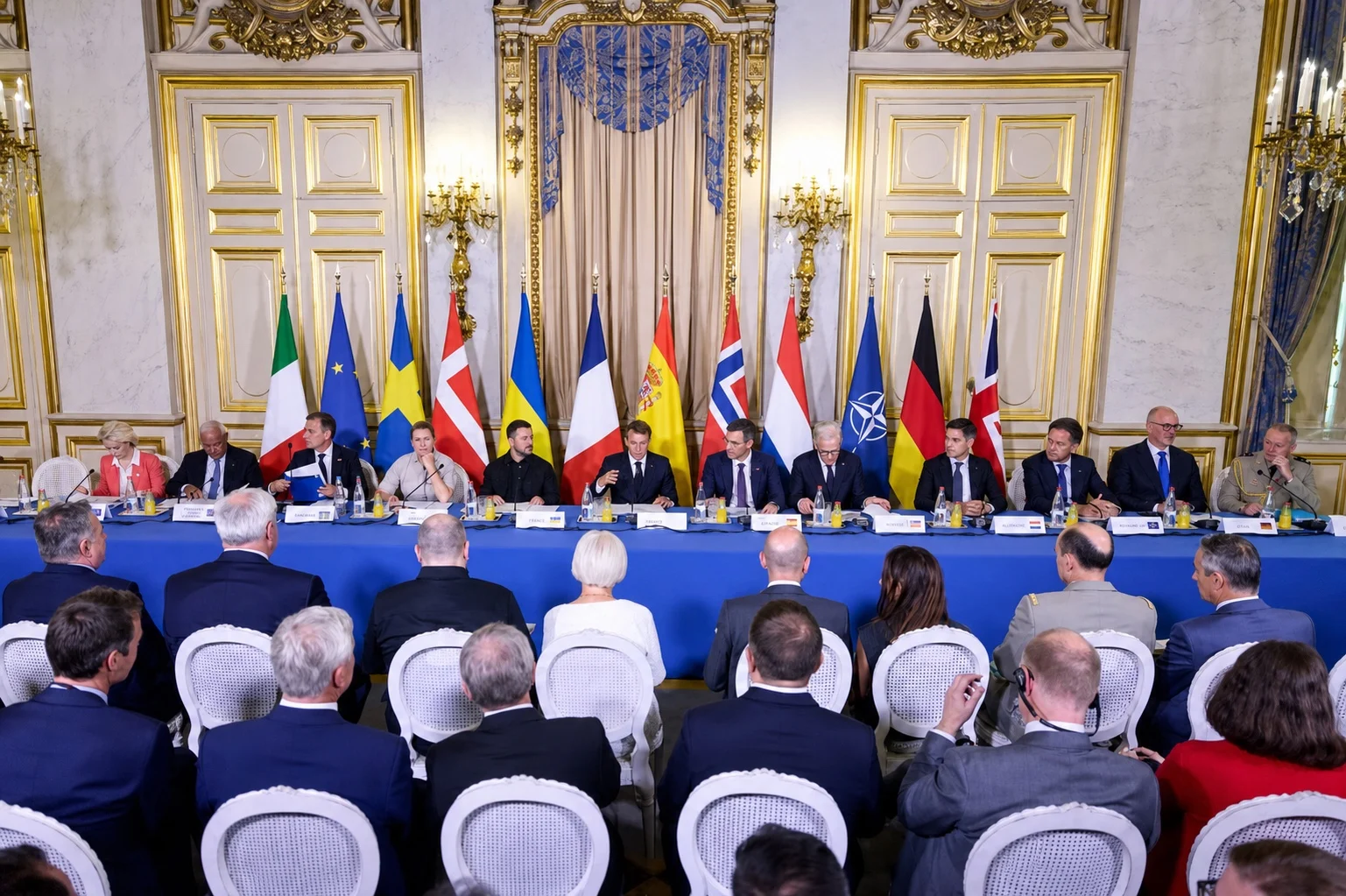

As France marks its Bastille Day celebrations on July 14, 2026, the diplomatic and security focus in Paris has shifted toward a high-stakes meeting of the Coalition of the Willing. President Volodymyr Zelenskyy’s arrival in Paris on July 13 signals a major escalation in Ukraine’s efforts to solidify its long-term defensive architecture, specifically through the introduction of a new anti-ballistic program.
The Architect of Defense: Rustem Umerov’s Elevated Global Role
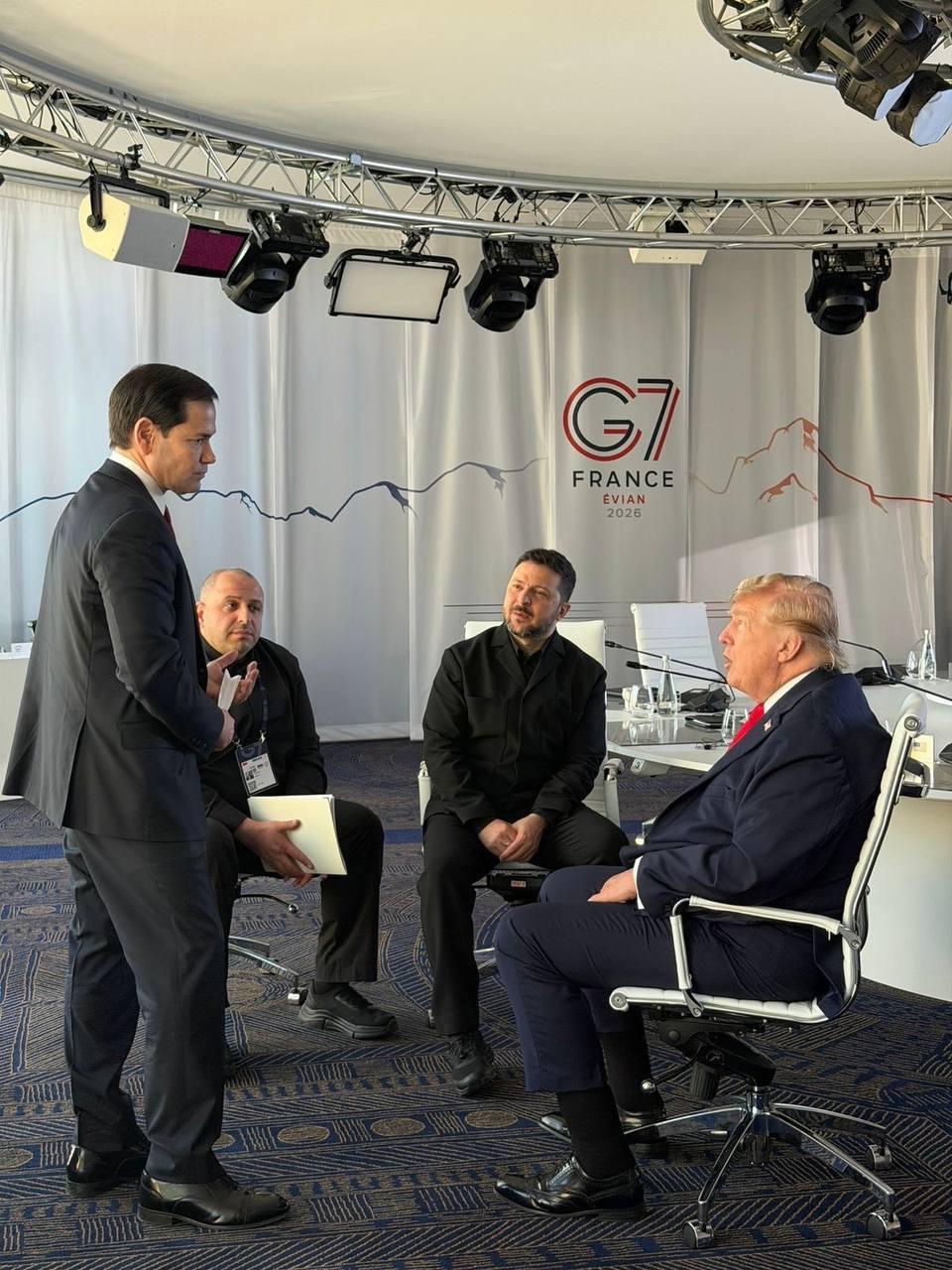
At the heart of this diplomatic push is Rustem Umerov, Secretary of Ukraine’s National Security and Defense Council. Since his appointment in July 2025, following his tenure as minister of defense, Umerov has emerged not just as a cabinet member but as one of President Zelenskyy’s most important strategic allies.
Umerov’s influence is defined by his ability to bridge complex military requirements and high-level international diplomacy. His background in international investment and his longstanding ties to Western, Arab and Turkish officials have made him an important point of contact for the United States and European allies.
- Global reach: Known for his role in prisoner exchanges and international advocacy, Umerov has cultivated relationships with defense and intelligence leaders across the Atlantic and beyond.
- Strategic coordination: As NSDC secretary, Umerov has sought to align diplomacy, technology and military production with Ukrainian front-line needs and the requirements of coalition partners.
The Freyja Program: A New Era in Anti-Ballistic Defense
A centerpiece of the Paris talks is Ukraine’s proposed anti-ballistic program, including the Freyja project. Initiated by Ukraine and designed to foster technological independence, Freyja aims to reduce reliance on expensive, limited-supply Western interceptors.
The technology: The proposed system is built around the domestically produced FP-7.x interceptor missile from Ukrainian defense company Fire Point. The company presents it as a lower-cost, scalable complement to platforms such as Patriot. Fire Point says the interceptor could cost roughly $700,000 per unit, substantially less than current Western equivalents, although the project remains under development and its first ballistic interception is planned for a later testing phase.
The strategy: By involving European defense companies in the production and deployment cycle, Ukraine is positioning itself as a producer of continental security, rather than solely a recipient of aid. Fire Point has already announced cooperation with German sensor company HENSOLDT on the proposed pan-European shield.
The Diplomatic Significance of the Paris Summit
President Emmanuel Macron is hosting a broad assembly of leaders, signaling that European support for Ukraine is moving toward a more institutionalized phase. Ukraine, France and eight other European countries announced their intention to combine defense, research and production capacity around a shared response to the ballistic missile threat.
As Ukrainian troops prepare to participate in the Bastille Day parade on July 14, the presence of the Ukrainian delegation serves as a powerful reminder of deepening security integration between Kyiv and its allies. The coordination between Zelenskyy and Umerov, backed by a wider coalition, suggests that Ukraine’s defense strategy is no longer only about resisting aggression. It is increasingly about building a sustainable technological and military bulwark for the continent.
Sources: Associated Press reporting on the Paris anti-ballistic coalition; France Diplomatie statement on the July 13–14 meetings; Fire Point’s announcement of its cooperation with HENSOLDT; reporting by Ukrainska Pravda on the FP-7.x test program.
Ask AI about this story
Answers are based on this article and SN Media’s related coverage. AI can make mistakes.
Frequently asked questions
What is the main goal of Ukraineu2019s Freyja anti-ballistic program introduced at the Paris talks?
The Freyja program aims to foster technological independence for Ukraine by developing a domestically produced, lower-cost FP-7.x interceptor missile to reduce reliance on expensive Western interceptors and involve European defense companies in a pan-European missile defense shield.
Who is Rustem Umerov and what role does he play in Ukraineu2019s defense strategy?
Rustem Umerov is the Secretary of Ukraineu2019s National Security and Defense Council, acting as a key strategic ally to President Zelenskyy by bridging military needs with international diplomacy and coordinating defense, technology, and production efforts aligned with coalition partners.
What is the significance of the Paris summit hosted by President Emmanuel Macron for Ukraineu2019s defense efforts?
The summit marks a shift toward institutionalized European support for Ukraine, with nine countries, including Ukraine and France, agreeing to combine defense, research, and production capacities to address ballistic missile threats collectively, signaling deeper security integration.
What is known about the FP-7.x interceptor missile developed by Fire Point?
The FP-7.x is a domestically produced Ukrainian interceptor missile proposed as part of the Freyja program, expected to cost around $700,000 per unit, which is lower than Western equivalents; however, it remains under development with its first ballistic interception test planned for a later phase.
Continue the story
 LATEST
UK’s New Space Defense Unit: A Game Changer in Satellite Security
LATEST
UK’s New Space Defense Unit: A Game Changer in Satellite Security
- LATEST Kruk’s Strategic Pivot: From European Stronghold to Anglo-American Markets
- LATEST Geopolitical Implications of US Troop Surge in the Middle East
- LATEST US-Denmark Security Deal Redefines Arctic Military Strategy Amid Rising Geopolitical Tensions
- LATEST Global Fuel Supply Chains Under Strain: How Geopolitics Are Driving Diesel Prices Up