








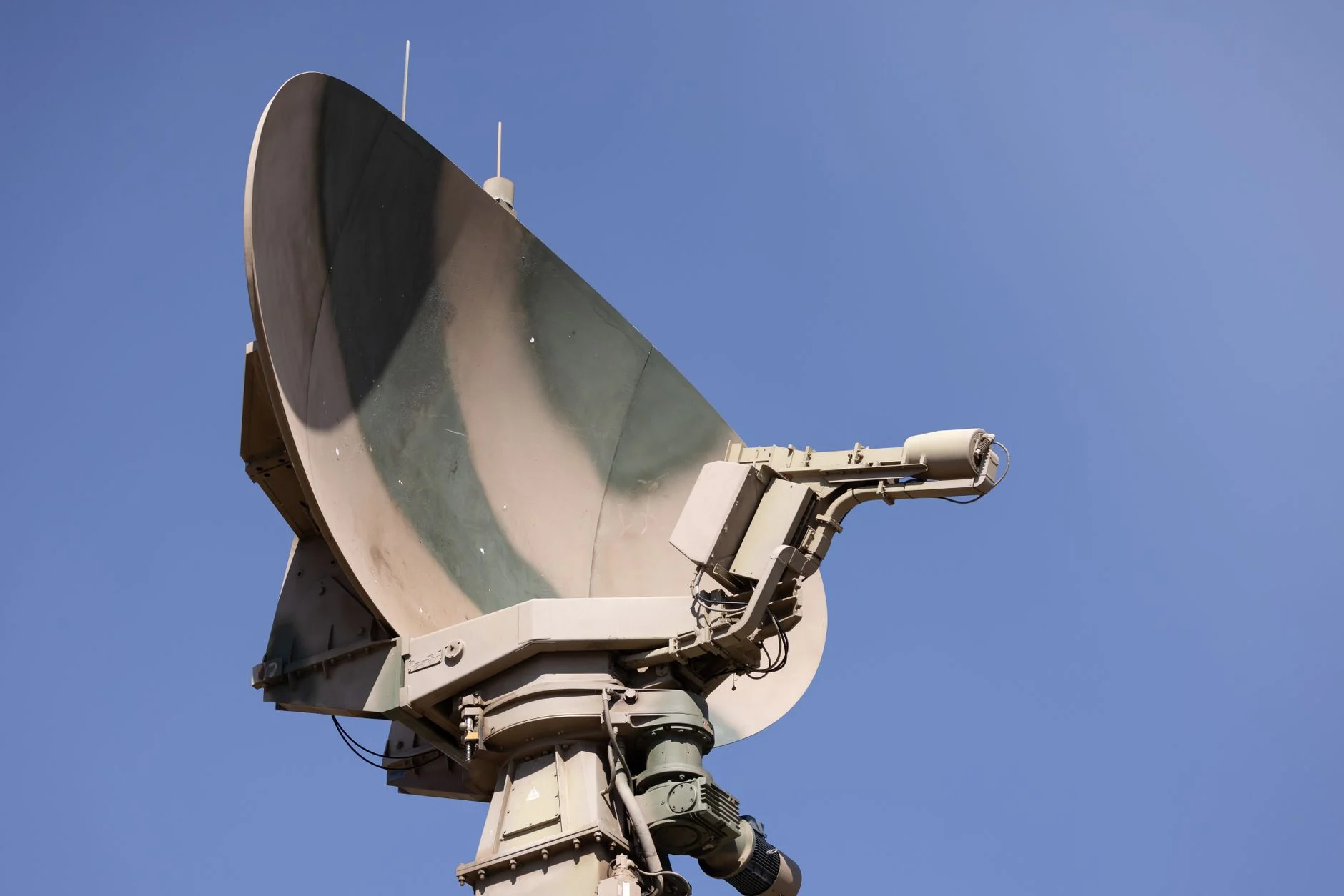
- The UK has formally established a dedicated military unit focused on satellite defense within its Space Command.
- The unit aims to address growing vulnerabilities of space assets amid increasing militarization and adversarial capabilities in orbit.
- This move signals the UK’s intent to assert greater strategic autonomy and resilience in space-based defense infrastructure.
- The initiative reflects broader shifts in international security postures as space becomes a contested domain.
What happened
The United Kingdom has launched a specialized military unit tasked with defending its satellites and other space-based assets. Embedded within the UK Space Command, this unit’s explicit mission is to safeguard critical satellite infrastructure against emerging threats. This development follows a period of rapid expansion in the UK’s space capabilities, including efforts to enhance surveillance, communications, and navigation systems. The new unit will concentrate on threat detection, resilience measures, and potentially offensive counter-space operations, marking a decisive step toward operationalizing space defense as a discrete military function.
Why it matters
Satellites now underpin a broad spectrum of military and civilian functions—ranging from GPS navigation and communications to intelligence gathering and missile warning. The creation of a dedicated satellite defense unit acknowledges that these assets are increasingly vulnerable to disruption or destruction by hostile actors. As space becomes a contested domain, the ability to protect and, if necessary, respond to attacks on satellites is crucial for national security. The UK’s initiative reflects recognition that reliance on allied space capabilities alone may be insufficient, necessitating independent defensive measures to safeguard sovereignty and operational continuity.
Industry context
The UK’s move aligns with a global trend toward militarization and securitization of space. The US has long maintained specialized space forces, including the US Space Force established in 2019, while China and Russia have developed counter-space capabilities that range from electronic jamming to kinetic anti-satellite weapons. European nations are also exploring ways to bolster resilience in space infrastructure. The UK’s new unit emerges amid increasing commercial satellite launches and the proliferation of dual-use technologies, complicating the attribution and response to potential threats. This environment demands refined doctrines and technologies tailored to space’s unique operational challenges.
Analysis
The establishment of a UK satellite defense unit signals a strategic recalibration. It represents an acknowledgment of space as a domain where deterrence and defense must be actively maintained rather than assumed. Operationalizing such a unit requires integrating intelligence, cyber defense, and space situational awareness capabilities to detect and attribute hostile acts swiftly. Moreover, the UK must navigate the dual-use nature of many space technologies, where civilian and military assets overlap, complicating legal and ethical frameworks for response. The unit’s effectiveness will hinge on its ability to coordinate with international partners, especially given the interconnectedness of space infrastructure, while retaining sufficient autonomy to act decisively when necessary.
What to watch next
Future developments will include the unit’s operational doctrine, technology acquisitions, and collaboration frameworks with allies such as the United States and NATO partners. Monitoring how the UK balances offensive and defensive postures in space will be critical, particularly in light of ongoing diplomatic efforts to establish norms of behavior in orbit. Additionally, advancements in space situational awareness—such as improvements in tracking debris and hostile satellites—will shape the unit’s capabilities. The evolution of international legal regimes governing space conflict and the UK’s engagement in these discussions will also influence the strategic environment in which this unit operates.
Ask AI about this story
Answers are based on this article and SN Media’s related coverage. AI can make mistakes.
Frequently asked questions
What is the primary mission of the UK's new satellite defense unit?
The unit is tasked with defending the UK's satellites and space-based assets by focusing on threat detection, resilience measures, and potentially offensive counter-space operations to safeguard critical satellite infrastructure.
Why has the UK decided to establish this dedicated satellite defense unit now?
The UK recognizes growing vulnerabilities of its space assets amid increasing militarization and adversarial capabilities in orbit, and seeks greater strategic autonomy and resilience in space defense beyond reliance on allied capabilities.
How does the UK's new unit fit into the broader international context of space security?
The unit aligns with global trends of militarizing and securing space, following examples like the US Space Force and counter-space capabilities of China and Russia, while addressing challenges posed by commercial satellite proliferation and dual-use technologies.
What are the key challenges and future considerations for the UK's satellite defense unit?
Challenges include integrating intelligence, cyber defense, and space situational awareness, navigating legal and ethical issues related to dual-use technologies, coordinating with international partners, and developing operational doctrines amid evolving international norms and legal regimes.
Continue the story
 BACKGROUND · How we got here
US-Denmark Security Deal Redefines Arctic Military Strategy Amid Rising Geopolitical Tensions
BACKGROUND · How we got here
US-Denmark Security Deal Redefines Arctic Military Strategy Amid Rising Geopolitical Tensions