








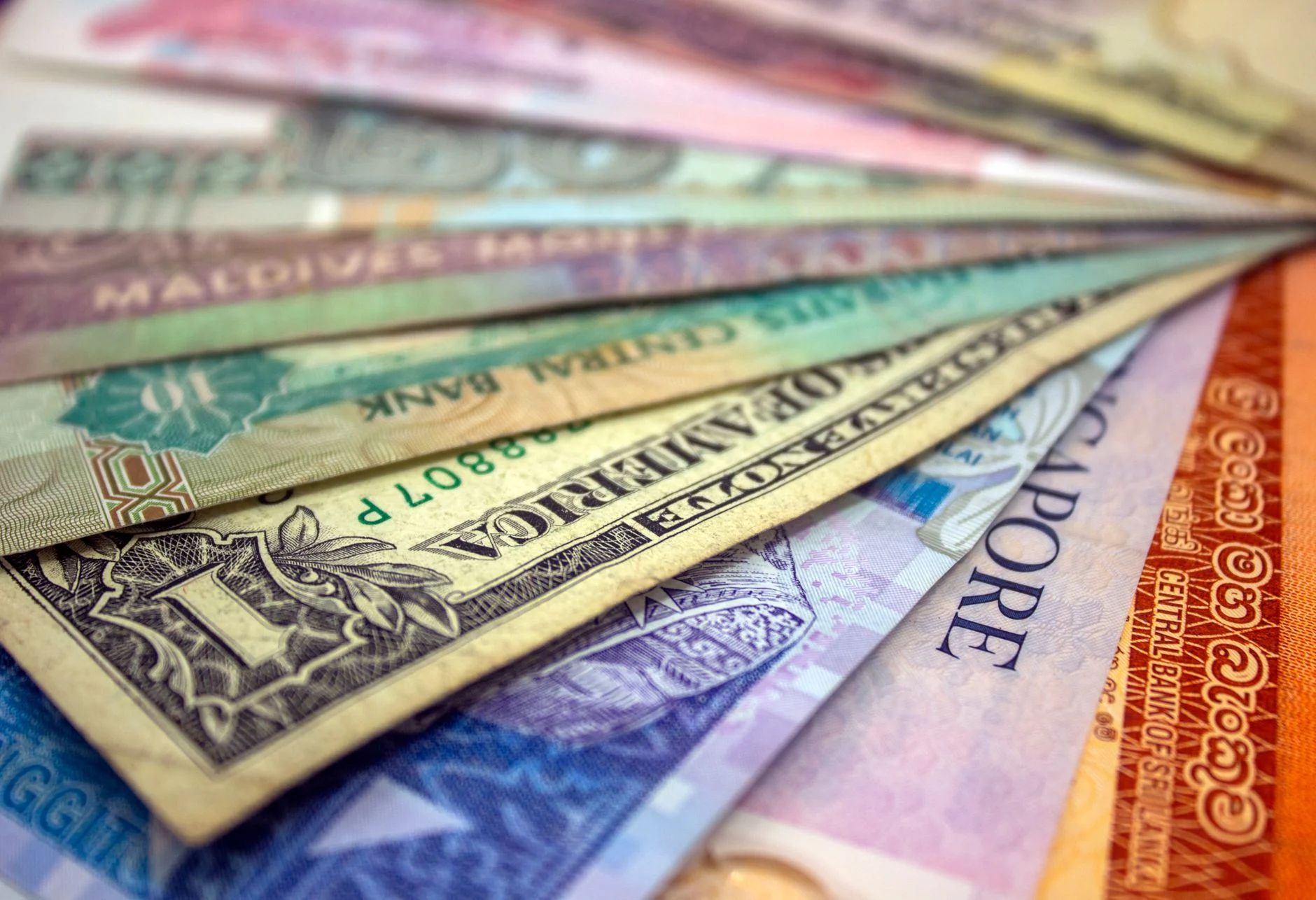
- Robust US business activity data reinforces dollar strength, pressuring emerging market currencies.
- Emerging market currency depreciation reflects capital outflows driven by diverging monetary policies.
- Commodity exporters within emerging markets face amplified currency volatility amid global inflation concerns.
- Strategic responses from emerging market central banks vary, highlighting trade-offs between growth and currency stability.
What happened
Recent US economic indicators have underscored sustained momentum in business activity, contributing to a persistently strong US dollar. This dynamic has coincided with a renewed depreciation trend in a broad swath of emerging market (EM) currencies. Data released over the past weeks revealed that sectors such as manufacturing and services in the United States have maintained expansionary trajectories, reinforcing expectations of continued monetary tightening by the Federal Reserve. In parallel, emerging market currencies, including the Brazilian real, Turkish lira, and South African rand, have depreciated further against the dollar, extending declines observed throughout the quarter.
Why it matters
The interplay between US economic strength and emerging market currency depreciation carries significant implications for global financial stability and economic growth trajectories. A strong dollar increases the cost of servicing dollar-denominated debt for EM sovereigns and corporations, thereby elevating refinancing risks and potentially constraining fiscal space. Moreover, currency weakness can stoke imported inflation in EM countries, complicating central banks’ policy decisions amid an already uncertain macroeconomic environment. These pressures may exacerbate vulnerabilities in countries with large external imbalances or those heavily reliant on external financing, influencing capital flows and investment decisions beyond their borders.
Industry context
The current environment reflects a continuation of structural trends that have persisted since the Federal Reserve’s pivot to tighter monetary policy following the pandemic. Divergent interest rate paths between the US and emerging economies have historically driven capital reallocations favoring dollar assets. The impact on EM currencies is further intensified by global inflationary pressures and geopolitical uncertainties, factors that amplify risk aversion among investors. Commodity-exporting emerging markets, in particular, face a complex scenario: while higher commodity prices can bolster fiscal revenues and trade balances, the concomitant dollar strength often offsets these gains by triggering currency depreciation and inflationary spillovers.
Analysis
The recent depreciation of emerging market currencies in response to US data highlights the delicate balance EM policymakers must strike. Central banks confront a dual mandate: containing inflation without stifling growth. In countries like Brazil and South Africa, where inflation remains elevated, tightening monetary policy can support currency stability but risks slowing economic recovery. Conversely, countries with more fragile fiscal positions, such as Turkey, may lack sufficient policy space, leaving them vulnerable to persistent currency weakness and capital flight. The strength of the US dollar acts as a gravitational force in global markets, incentivizing portfolio shifts toward dollar assets. This trend underscores the asymmetry in global financial conditions whereby US economic resilience and policy decisions disproportionately affect emerging markets through currency channels and capital mobility.
What to watch next
Future developments will hinge on several interrelated factors. First, the trajectory of US monetary policy, particularly the Federal Reserve’s response to inflation and employment data, will remain a critical driver of dollar strength. Second, emerging market central banks’ policy responses will be pivotal in shaping currency stability and investor confidence. Monitoring shifts in capital flows and debt servicing costs will provide insight into vulnerabilities within EM economies. Additionally, external shocks such as changes in commodity prices or geopolitical tensions could recalibrate risk perceptions and currency valuations. Observers should also watch for coordinated policy actions or international financial support mechanisms that might alleviate pressure on the most exposed emerging markets.
Ask AI about this story
Answers are based on this article and SN Media’s related coverage. AI can make mistakes.
Frequently asked questions
What is causing the depreciation of emerging market currencies according to the article?
The depreciation is driven by a strong US dollar supported by robust US business activity and diverging monetary policies, which lead to capital outflows from emerging markets.
How are commodity-exporting emerging markets affected by the current currency dynamics?
Commodity exporters face amplified currency volatility because while higher commodity prices can improve fiscal revenues, the strong dollar often triggers currency depreciation and inflationary pressures that offset these gains.
What challenges do emerging market central banks face in responding to currency depreciation?
Central banks must balance containing inflation with supporting economic growth; tightening monetary policy can stabilize currencies but may slow recovery, while countries with weaker fiscal positions may have limited policy options, increasing vulnerability.
What factors will influence future developments in emerging market currencies?
Key factors include the Federal Reserveu2019s monetary policy decisions, emerging market central banksu2019 responses, shifts in capital flows and debt servicing costs, changes in commodity prices, geopolitical tensions, and potential coordinated policy actions or international support.
Continue the story
 LATEST
How a Strong Dollar Shapes Federal Reserve Interest Rate Decisions
LATEST
How a Strong Dollar Shapes Federal Reserve Interest Rate Decisions