








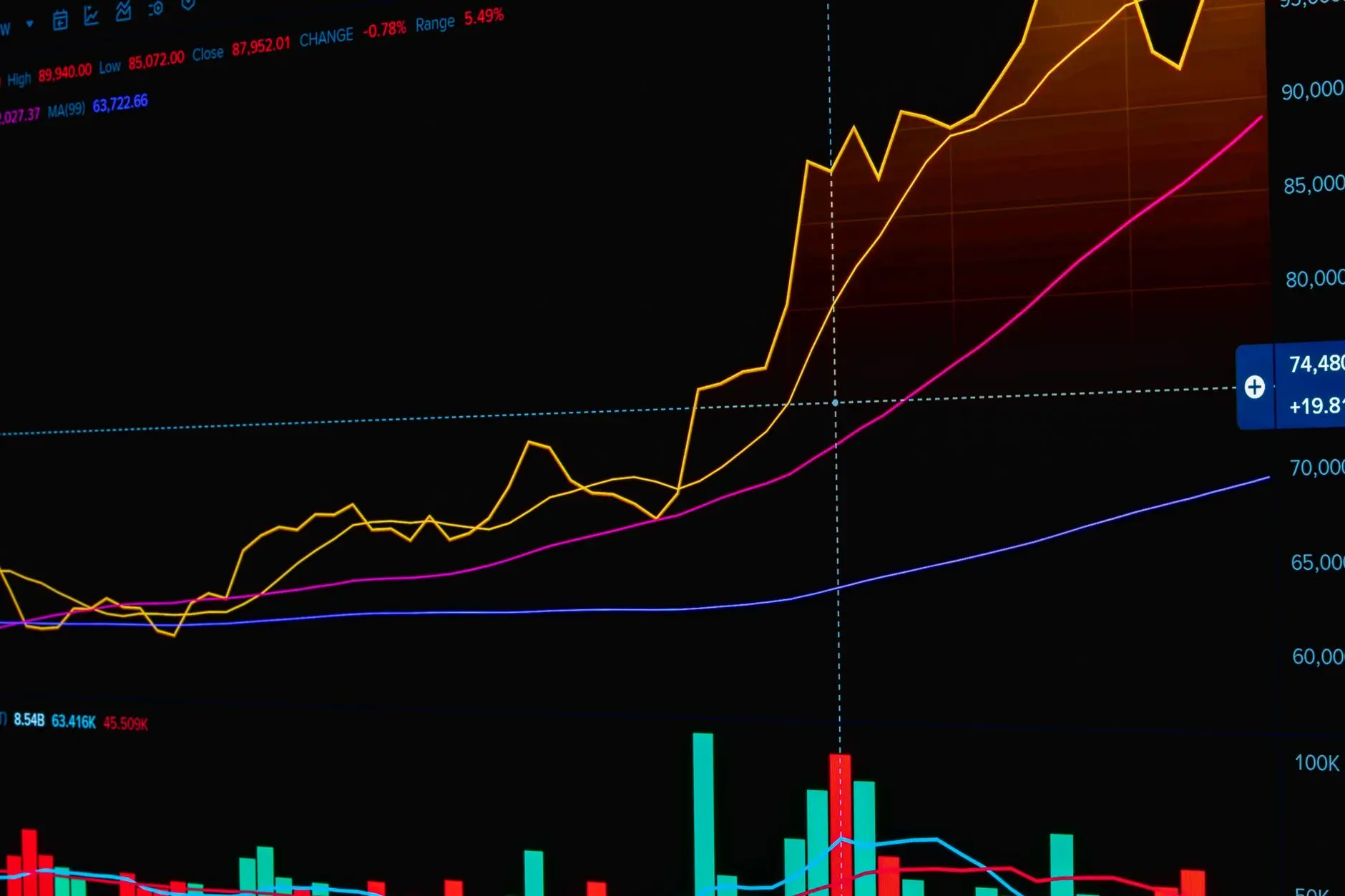
- Rising oil prices have triggered a notable increase in U.S. Treasury yields, reflecting inflation concerns.
- Bond investors are recalibrating expectations for Federal Reserve policy tightening amid cost-push inflation risks.
- Higher energy costs are amplifying the trade-off between growth prospects and inflation control in global fixed income markets.
- Emerging market bonds face heightened volatility as commodity price shocks complicate monetary and fiscal policy responses.
What happened
The past several weeks have seen crude oil prices climb sharply, driven by a combination of supply constraints and geopolitical tensions. This surge has coincided with a marked uptick in U.S. Treasury yields, particularly along the shorter end of the curve. The 2-year note yield has risen as investors reassess inflation trajectories and the likelihood of more aggressive Federal Reserve rate hikes. Meanwhile, bond markets globally have reacted to the renewed inflationary pressure embedded in energy costs, prompting shifts in portfolio positioning and risk premia.
Why it matters
Oil price increases have a direct and immediate impact on inflation metrics, given energy’s central role in production and transportation costs. For bond markets, this creates a compounding dilemma: central banks must weigh the inflationary consequences of rising commodity prices against the potential drag on economic growth from tighter monetary policy. The sensitivity of Treasury yields to oil highlights market anxiety over persistent inflation and the Fed’s resolve to maintain price stability. This dynamic also signals broader volatility risks in fixed income assets, particularly in emerging markets where external vulnerabilities and fiscal constraints amplify exposure to commodity shocks.
Industry context
Since the post-pandemic recovery phase, bond markets have grappled with an evolving inflation landscape shaped by supply chain disruptions and labor market tightness. The Federal Reserve’s communications have emphasized data dependence, but rising oil prices add a layer of complexity, potentially forcing a less gradual approach to rate adjustments. Globally, central banks face asymmetric risks: while inflation surges may necessitate tightening, slowing growth and debt sustainability concerns limit policy maneuvering. Investors must also contend with shifts in commodity cycles and geopolitical developments influencing energy markets, making fixed income strategies more nuanced and sensitive to external shocks.
Analysis
The recent oil rally acts as a catalyst for a reevaluation of inflation persistence. Unlike transitory price spikes, sustained energy cost increases can embed expectations of higher inflation into wage negotiations and price-setting behavior. This scenario compels the Fed to consider the credibility of its inflation targeting framework and the timing of further tightening. The bond market’s reaction—rising yields and flattening curves—reflects an anticipation of near-term rate hikes coupled with future growth concerns. Furthermore, the interplay between oil prices and Treasury yields underscores the limits of monetary policy in isolating inflation sources; cost-push shocks demand a calibrated response that balances inflation control with economic resilience.
Emerging market bonds, often sensitive to dollar strength and commodity price swings, are experiencing amplified volatility. Countries reliant on energy imports face worsening fiscal deficits and inflation spikes, pressuring central banks to tighten policy despite subdued growth. This environment fosters divergent monetary policy paths and increases the risk premium investors demand for credit and duration exposure.
What to watch next
Market participants will closely monitor Federal Reserve communications and forthcoming economic data releases to gauge the persistence of inflation pressures linked to oil prices. The trajectory of energy markets—shaped by OPEC+ decisions, geopolitical developments, and global demand trends—will remain a critical factor influencing bond yields and policy expectations. Additionally, emerging market vulnerabilities deserve attention as commodity-driven inflation may force abrupt monetary tightening, with ramifications for global capital flows. Ultimately, the reconciliation of inflation control with growth sustainability will test the adaptability of central banks and the resilience of global fixed income markets in the months ahead.
Ask AI about this story
Answers are based on this article and SN Media’s related coverage. AI can make mistakes.
Frequently asked questions
How have rising oil prices affected U.S. Treasury yields?
Rising oil prices have led to a notable increase in U.S. Treasury yields, especially along the shorter end of the curve, as investors reassess inflation risks and the likelihood of more aggressive Federal Reserve rate hikes.
Why do higher energy costs complicate central bank policy decisions?
Higher energy costs increase inflation metrics through production and transportation expenses, forcing central banks to balance inflation control against the risk of slowing economic growth due to tighter monetary policy.
What impact are rising oil prices having on emerging market bonds?
Emerging market bonds are experiencing heightened volatility because commodity price shocks worsen fiscal deficits and inflation, pressuring central banks to tighten policy despite weak growth, which increases credit and duration risk premia.
What factors will influence bond market dynamics going forward?
Future bond market dynamics will depend on Federal Reserve communications, economic data on inflation persistence, developments in energy markets driven by OPEC+ and geopolitical events, and emerging market vulnerabilities related to commodity-driven inflation and monetary tightening.
Continue the story
 BACKGROUND · How we got here
How Rising Oil Prices Are Reshaping Global Inflation Expectations
- BACKGROUND · How we got here How Falling Oil Prices Are Reshaping Federal Reserve Interest Rate Expectations
- BACKGROUND · How we got here How Rising Treasury Yields Are Reshaping Global Investment Strategies
- BACKGROUND · How we got here How Rising Yields Are Reshaping Global Debt Markets in 2024
- BACKGROUND · How we got here How Falling US Yields Signal Shifts in Global Economic Sentiment