
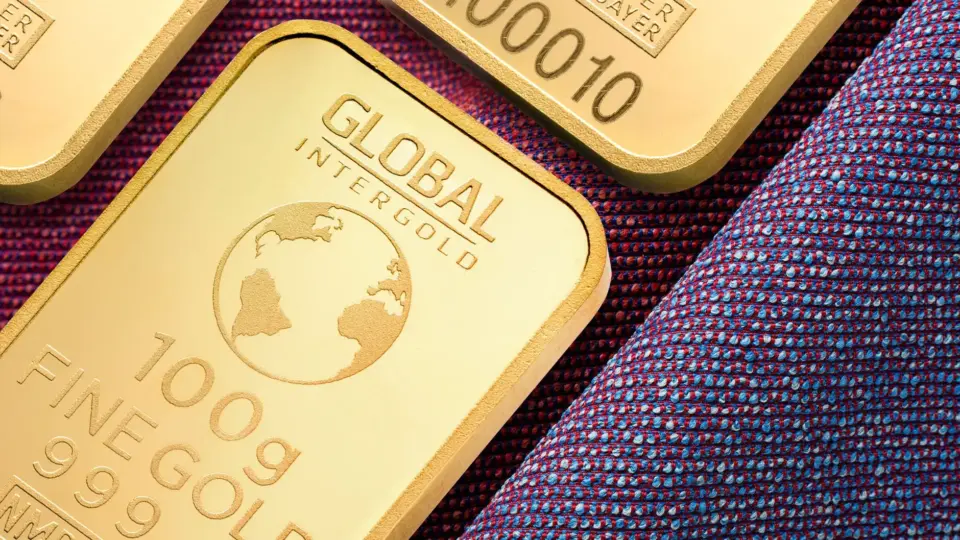







- Gold prices have experienced significant volatility, dipping near a three-month low around $4,000 per ounce.
- Investor uncertainty driven by technological sector fluctuations is reshaping risk assessments across asset classes.
- Gold’s shifting role as a safe haven challenges traditional portfolio diversification strategies.
- Central bank policies and inflation expectations remain critical drivers of gold market dynamics.
What happened
Gold prices recently hovered near $4,000 per ounce, marking a notable retreat from earlier highs and reflecting a period of increased volatility. This shift coincided with heightened uncertainty in the technology sector, particularly stemming from developments in artificial intelligence investments and their impact on equity markets. The gold market, historically a refuge during times of turmoil, is now exhibiting price fluctuations that signal changing investor sentiment and recalibrated risk appetites.
Why it matters
Gold’s price movements are closely watched by portfolio managers and institutional investors as indicators of broader market risk and inflation expectations. The recent volatility undermines the metal’s conventional role as a stable store of value and a hedge against equity downturns. This erosion of predictability complicates asset allocation decisions, especially for global investors balancing exposure between equities, bonds, and commodities. Given gold’s influence on monetary policy signals and its interaction with currency markets, shifts in its price dynamics have ripple effects on international capital flows and risk premia.
Industry context
Gold’s performance must be understood within the current macroeconomic environment marked by central banks’ tightening measures to combat inflation, geopolitical tensions, and rapid technological advances disrupting market fundamentals. The Federal Reserve and other major central banks have maintained elevated interest rates, which traditionally exert downward pressure on non-yielding assets like gold. Concurrently, inflation remains persistent in many economies, sustaining underlying demand for inflation hedges. The technology sector’s volatility, fueled by speculative investment cycles around AI advancements, has intensified market-wide uncertainty, often prompting shifts between risk-on and risk-off assets, including gold.
Analysis
The interplay between inflation expectations and real interest rates remains central to gold’s price dynamics. Elevated nominal rates increase the opportunity cost of holding gold, which yields no coupon, but persistent inflation sustains demand for inflation protection. The recent volatility suggests investors are increasingly sensitive to short-term signals, such as earnings reports and AI sector developments, which induce rapid repositioning within portfolios. This dynamic challenges the notion of gold as a consistently stable safe haven, revealing a more nuanced role that fluctuates with market sentiment and monetary policy cues.
Moreover, the diversification benefit of gold is being tested as correlations with other asset classes fluctuate. In periods of equity market stress, gold has traditionally provided negative or low correlation, but this relationship has shown signs of strain amid the current volatility. Investors are therefore recalibrating their models to incorporate a more dynamic correlation structure, integrating factors such as real rates, currency volatility, and geopolitical risk premiums. The evolving role of gold also reflects broader shifts in global capital markets, including increased participation from emerging markets and central banks altering their reserve compositions in response to shifting geopolitical alliances.
What to watch next
Market participants will closely monitor central bank communications and inflation data releases for signals on the trajectory of interest rates, which remain the primary driver of gold prices. Developments in the technology sector, particularly the pace and impact of AI-related innovation, will continue to influence risk sentiment and, by extension, gold’s safe-haven appeal. Additionally, geopolitical developments, including trade tensions and energy market fluctuations, could further complicate gold’s price path. Investors should also observe changes in gold-backed exchange-traded funds and central bank purchasing patterns, which provide insight into institutional demand trends shaping the metal’s medium-term outlook.
Ask AI about this story
Answers are based on this article and SN Media’s related coverage. AI can make mistakes.
Frequently asked questions
Why have gold prices become more volatile recently?
Gold prices have fluctuated near $4,000 per ounce due to heightened uncertainty in the technology sector, especially related to AI investments, which has altered investor risk sentiment and caused rapid portfolio repositioning.
How is goldu2019s role as a safe haven changing according to the article?
Goldu2019s traditional role as a stable safe haven is being challenged by recent volatility and shifting correlations with other asset classes, making its diversification benefits less predictable and more sensitive to market sentiment and monetary policy.
What factors are currently driving gold market dynamics?
Central bank policies, particularly elevated interest rates, inflation expectations, technology sector developments, and geopolitical risks are key drivers influencing goldu2019s price movements and investor demand.
What should investors watch to understand future trends in gold prices?
Investors should monitor central bank communications, inflation data, technology sector developments related to AI, geopolitical events, and institutional demand indicators such as gold-backed ETFs and central bank purchases to gauge goldu2019s medium-term outlook.
Continue the story
 BACKGROUND · How we got here
How Oil Price Fluctuations Influence Gold Markets: A Deep Dive
- BACKGROUND · How we got here How Federal Reserve Rate Decisions Impact Gold Prices: An In-Depth Analysis
- BACKGROUND · How we got here How Rising Treasury Yields Are Reshaping Global Investment Strategies
- BACKGROUND · How we got here How Cross-Asset Hedging Is Reshaping Investment Strategies Amid Market Uncertainty
- BACKGROUND · How we got here Analyzing the Prolonged Risk-Off Sentiment in Global Markets Until Mid-November