
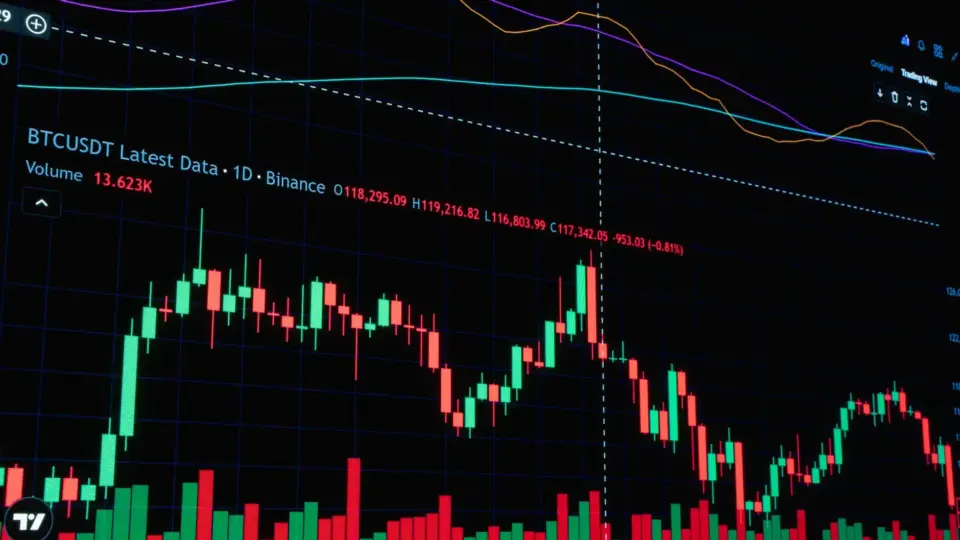







- Federal Reserve interest rate adjustments directly affect copper demand expectations by influencing global economic activity.
- Copper prices serve as a barometer for manufacturing and infrastructure investment sentiment worldwide.
- Volatility in copper markets reflects broader uncertainties about inflation trajectories and monetary policy tightening cycles.
- Emerging economies reliant on copper exports face amplified risks from shifts in U.S. monetary policy, impacting their currencies and trade balances.
What Happened
Recent Federal Reserve deliberations over interest rate policy have coincided with notable fluctuations in copper prices. As the Fed signals its approach to tightening or easing monetary conditions, global commodity markets, particularly copper, respond dynamically. Copper prices hovered near a two-week high ahead of the Fed meeting, reflecting market anticipation of potential policy adjustments. The interplay between Fed decisions and copper pricing underscores the metal’s sensitivity to shifts in economic outlook and financial conditions.
Why It Matters
Copper’s role as a vital industrial input makes its price movements a key indicator of global economic health. Fed interest rate decisions influence borrowing costs, investment flows, and currency valuations, all of which affect demand for commodities. When the Fed signals tightening, higher financing costs can slow manufacturing and infrastructure projects, reducing copper consumption. Conversely, indications of looser policy can boost demand expectations. Understanding this relationship is crucial for policymakers, investors, and commodity producers who navigate the ripple effects of U.S. monetary policy on global markets and economies.
Industry Context
Copper is integral to sectors such as construction, electronics, and renewable energy technologies, linking its market directly to global industrial activity. The Fed’s monetary policy shapes global liquidity conditions, which in turn affect commodity prices through capital flows and currency movements. Emerging markets, many of which are significant copper exporters, are especially vulnerable to Fed-driven shifts. Their currencies and export revenues fluctuate with copper prices, creating feedback loops that influence inflation, fiscal balances, and social stability. The commodity’s price volatility often signals broader uncertainty about global growth trajectories and inflation expectations.
Analysis
The sensitivity of copper prices to Fed decisions reflects a complex interplay of monetary policy transmission mechanisms. Interest rate hikes typically strengthen the U.S. dollar, making dollar-denominated commodities more expensive for holders of other currencies, thereby dampening demand. Additionally, higher rates can curtail investment in infrastructure, directly reducing copper consumption. However, the relationship is not linear; market participants also price in expectations of future economic conditions. For instance, a Fed pause or dovish outlook may lift copper prices as investors anticipate sustained industrial demand. Meanwhile, supply-side factors such as mining disruptions or geopolitical tensions can modulate these effects, adding layers of complexity to price formation.
Furthermore, copper’s price movements serve as a proxy for the global economy’s pulse, especially in an era where supply chains remain fragile and inflation is a persistent concern. Traders and analysts scrutinize Fed communications not only for immediate rate decisions but also for guidance on the trajectory of inflation and growth. This forward-looking aspect embeds copper prices within broader macroeconomic narratives, making them a bellwether for the commodity sector and beyond.
What to Watch Next
Market participants will closely monitor forthcoming Federal Reserve statements and economic data releases for signals on the pace and scale of future rate changes. Key indicators include inflation trends, employment figures, and global growth forecasts, which will influence the Fed’s policy stance and, by extension, copper price dynamics. Additionally, geopolitical developments affecting major copper producers and consumers could introduce new volatility. Investors should also track developments in alternative energy infrastructure investments, which are expected to drive long-term copper demand. The evolving interaction between monetary policy and commodity markets will remain a critical area of focus for understanding the broader economic landscape in the coming quarters.
Ask AI about this story
Answers are based on this article and SN Media’s related coverage. AI can make mistakes.
Frequently asked questions
How do Federal Reserve interest rate decisions impact copper prices?
Federal Reserve interest rate adjustments influence copper prices by affecting borrowing costs, investment flows, and currency valuations, which in turn alter demand for copper used in manufacturing and infrastructure. Rate hikes tend to strengthen the U.S. dollar and raise financing costs, reducing copper consumption, while looser policy signals can boost demand expectations and prices.
Why are copper prices considered an indicator of global economic health?
Copper prices reflect manufacturing and infrastructure investment sentiment worldwide because copper is essential to key industries like construction, electronics, and renewable energy. Price volatility often signals broader uncertainties about inflation, monetary policy, and global growth trajectories.
What risks do emerging economies face related to Fed monetary policy and copper prices?
Emerging economies that rely on copper exports are vulnerable to Fed-driven shifts because changes in U.S. monetary policy affect their currencies and export revenues. Fluctuations in copper prices can impact their inflation, fiscal balances, and social stability, creating feedback loops that amplify economic risks.
What factors beyond Fed decisions influence copper price fluctuations?
Besides monetary policy, copper prices are affected by supply-side factors such as mining disruptions and geopolitical tensions. Market expectations about future economic conditions and developments in alternative energy infrastructure investments also modulate price dynamics, adding complexity to copperu2019s role as an economic indicator.
Continue the story
 BACKGROUND · How we got here
How Federal Reserve Rate Decisions Impact Gold Prices: An In-Depth Analysis
- BACKGROUND · How we got here How Rising US Inflation is Reshaping Global Commodity Markets
- BACKGROUND · How we got here How a Strong Dollar Shapes Federal Reserve Interest Rate Decisions
- BACKGROUND · How we got here How a Fed Pause Shapes Market Expectations for Year-End Monetary Policy
- BACKGROUND · How we got here How Federal Reserve Communications Influence Stock Market Volatility