
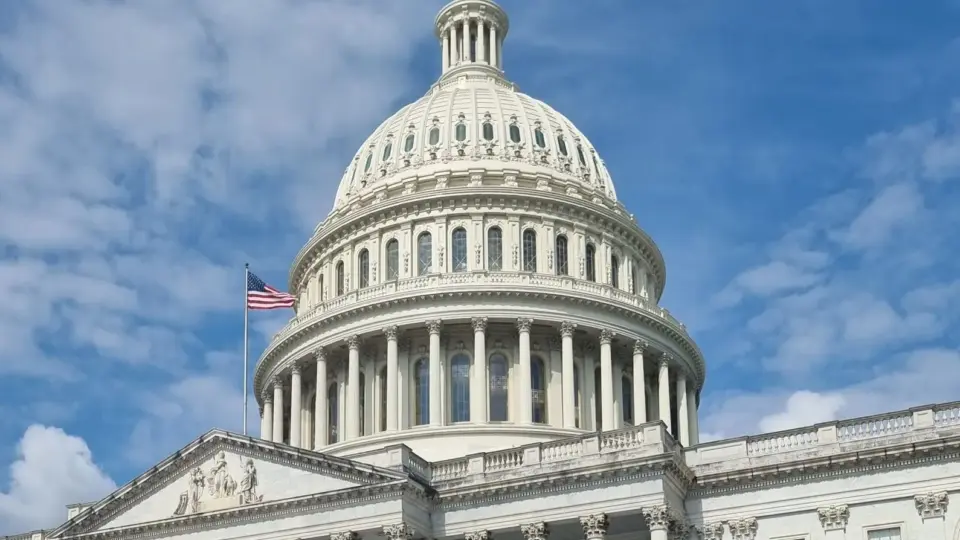







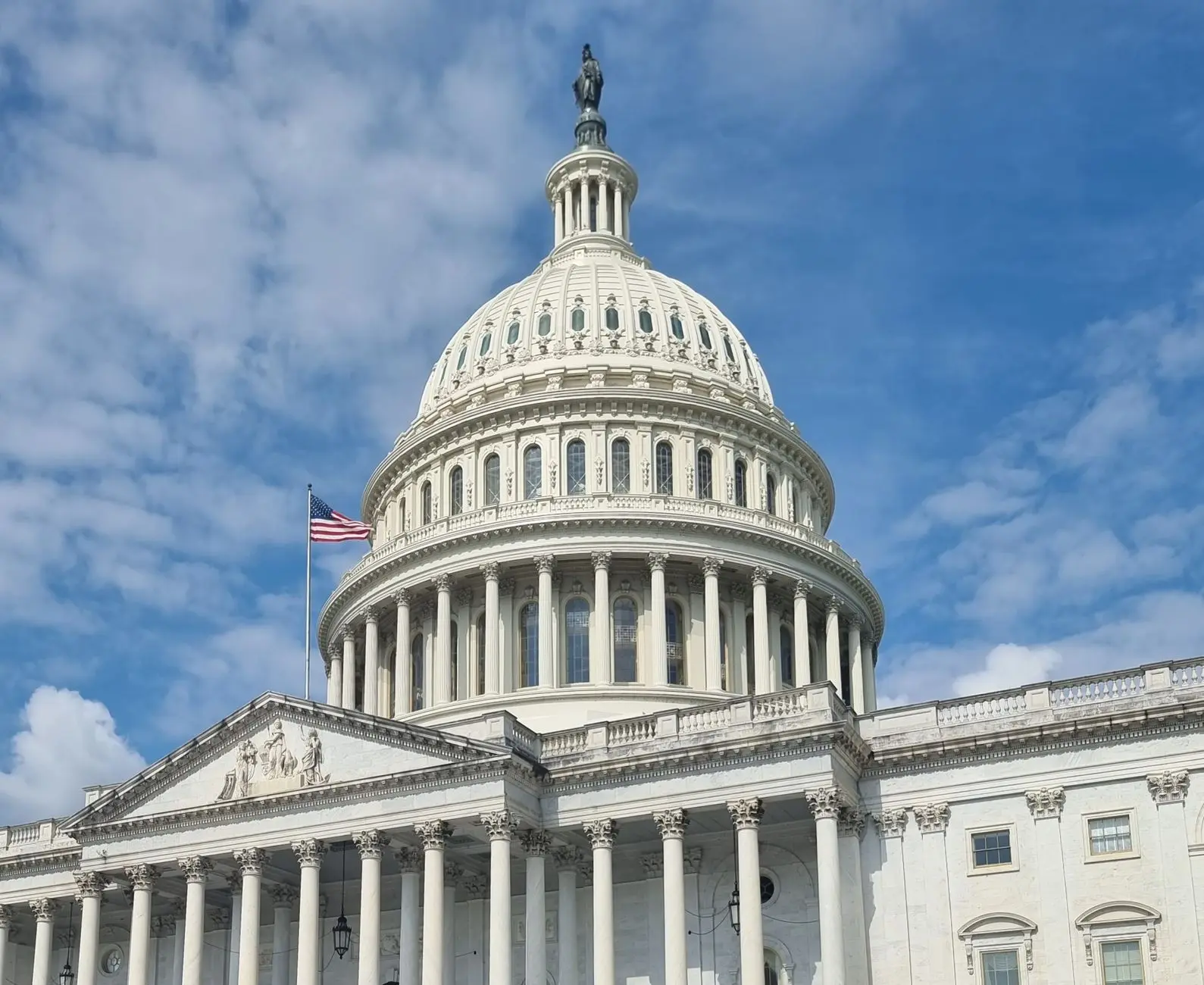
- Bond investors increasingly doubt that Capitol Hill gridlock will restrain US fiscal deficits.
- Persistent political stalemate no longer guarantees market confidence in long-term debt sustainability.
- Rising skepticism reflects evolving expectations about the interplay between fiscal policy and monetary tightening.
- Investors are recalibrating risk premia amid uncertainty over future debt issuance and government spending priorities.
The Rising Skepticism Among Bond Investors on Capitol Hill Gridlock
What happened
In recent months, bond market participants have expressed growing doubts about the traditional assumption that political gridlock in Washington serves as a natural check on US fiscal expansion. Historically, legislative deadlock has been interpreted as a safeguard against excessive government spending, thereby offering some reassurance to debt investors concerned about the trajectory of the national debt. However, this complacency is waning. Evidence from market signals, including widening spreads on longer-dated Treasury securities and muted demand in primary auctions, indicates that investors are re-evaluating the protective value of congressional stalemate amid ongoing debates over budget caps and debt ceiling negotiations.
Why it matters
This shift in investor sentiment has broad implications for fiscal governance and financial stability. If political impasses no longer serve as effective constraints on deficit growth, the risk profile of US government debt could increase, potentially raising borrowing costs over time. This dynamic complicates the Federal Reserve’s inflation-fighting mandate by intertwining monetary policy with fiscal uncertainty. Moreover, diminished confidence in the US Treasury’s ability to manage its debt sustainably can reverberate through global capital markets, given the dollar’s reserve status and Treasury securities’ role as benchmark safe assets. The erosion of the “gridlock premium” challenges long-standing assumptions about the political economy of US debt issuance.
Industry context
The bond market’s reassessment emerges against a backdrop of heightened fiscal pressures. The post-pandemic era has seen persistent deficits fueled by expansive social programs, infrastructure investments, and defense spending. Simultaneously, demographic shifts and rising entitlement costs compound long-term obligations. Political fragmentation—characterized by narrow congressional majorities and ideological polarization—has made comprehensive fiscal reform elusive. While some investors had viewed legislative deadlock as a mechanism to prevent radical fiscal expansions that might jeopardize debt serviceability, the evolving budgetary landscape suggests that gridlock increasingly enables incremental deficit growth without serious negotiation or adjustment. This nuanced reality complicates the traditional narrative that political stalemate inherently promotes fiscal discipline.
Analysis
The growing skepticism among bond investors reflects a recalibration of risk premia grounded in a more granular understanding of legislative dynamics. Rather than acting as a strict brake on spending, gridlock now appears to facilitate a status quo bias, where incremental budget increases evade substantive overhaul. This subtle form of fiscal inertia undermines expectations of deficit containment and contributes to greater uncertainty about the trajectory of debt issuance. Additionally, the interaction between fiscal policy uncertainty and the Federal Reserve’s tightening cycle intensifies market volatility. Investors must now price in the possibility of higher yields driven not only by monetary factors but also by political and fiscal unpredictability. This environment incentivizes a more cautious positioning, with a premium placed on liquidity and credit quality.
What to watch next
Market participants and policymakers alike should monitor upcoming budget negotiations and debt ceiling deliberations for signs of whether gridlock will harden or soften fiscal trajectories. Particular attention should be paid to any bipartisan agreements that might alter spending growth or revenue assumptions. The Treasury Department’s issuance strategy—especially regarding the maturity profile of new debt—will also provide insights into how it plans to manage elevated borrowing costs amid uncertain political backing. Finally, shifts in investor behavior, such as changes in foreign demand for Treasuries or adjustments in risk appetite among major institutional holders, will signal evolving perceptions of US fiscal credibility. Close observation of these factors will be critical in assessing whether skepticism about gridlock’s fiscal discipline effect solidifies or reverses.
Ask AI about this story
Answers are based on this article and SN Media’s related coverage. AI can make mistakes.
Frequently asked questions
Why are bond investors becoming skeptical about Capitol Hill gridlock as a check on US fiscal deficits?
Investors increasingly see that political stalemate no longer guarantees restraint on deficit growth, as gridlock now often allows incremental budget increases without major fiscal reforms, undermining the traditional view of it as a safeguard against excessive spending.
What are the potential consequences of this shift in investor sentiment for US government debt and financial markets?
If gridlock fails to constrain deficits, the risk profile of US debt may rise, potentially increasing borrowing costs and complicating the Federal Reserveu2019s inflation management, while also affecting global markets due to the dollaru2019s reserve role and Treasury securitiesu2019 benchmark status.
How does the current political and fiscal environment contribute to this changing perception among bond investors?
Heightened fiscal pressures from post-pandemic spending, demographic trends, and political polarization have made comprehensive fiscal reform difficult, resulting in gridlock that perpetuates incremental deficit growth rather than fiscal discipline.
What indicators should be monitored to assess whether skepticism about gridlocku2019s fiscal discipline effect will persist or change?
Key factors include outcomes of upcoming budget and debt ceiling negotiations, any bipartisan fiscal agreements, the Treasuryu2019s debt issuance strategies, and shifts in investor behavior such as foreign demand for Treasuries and risk appetite among institutional holders.
Continue the story
 BACKGROUND · How we got here
Decoding the Bond Market’s Selloff: What Wall Street’s Latest Signal Means for Investors
- BACKGROUND · How we got here Why Bond Investors Are Increasing Exposure to Emerging Markets Amid US Treasury Yield Surge
- BACKGROUND · How we got here Assessing Wall Street’s Confidence: Why Major Banks Are Issuing Bonds Amid Market Turbulence
- BACKGROUND · How we got here Assessing the Resilience of US Markets Amid European Bond Volatility
- BACKGROUND · How we got here Why Investors Are Flocking to US Treasuries Despite Rising Risks