








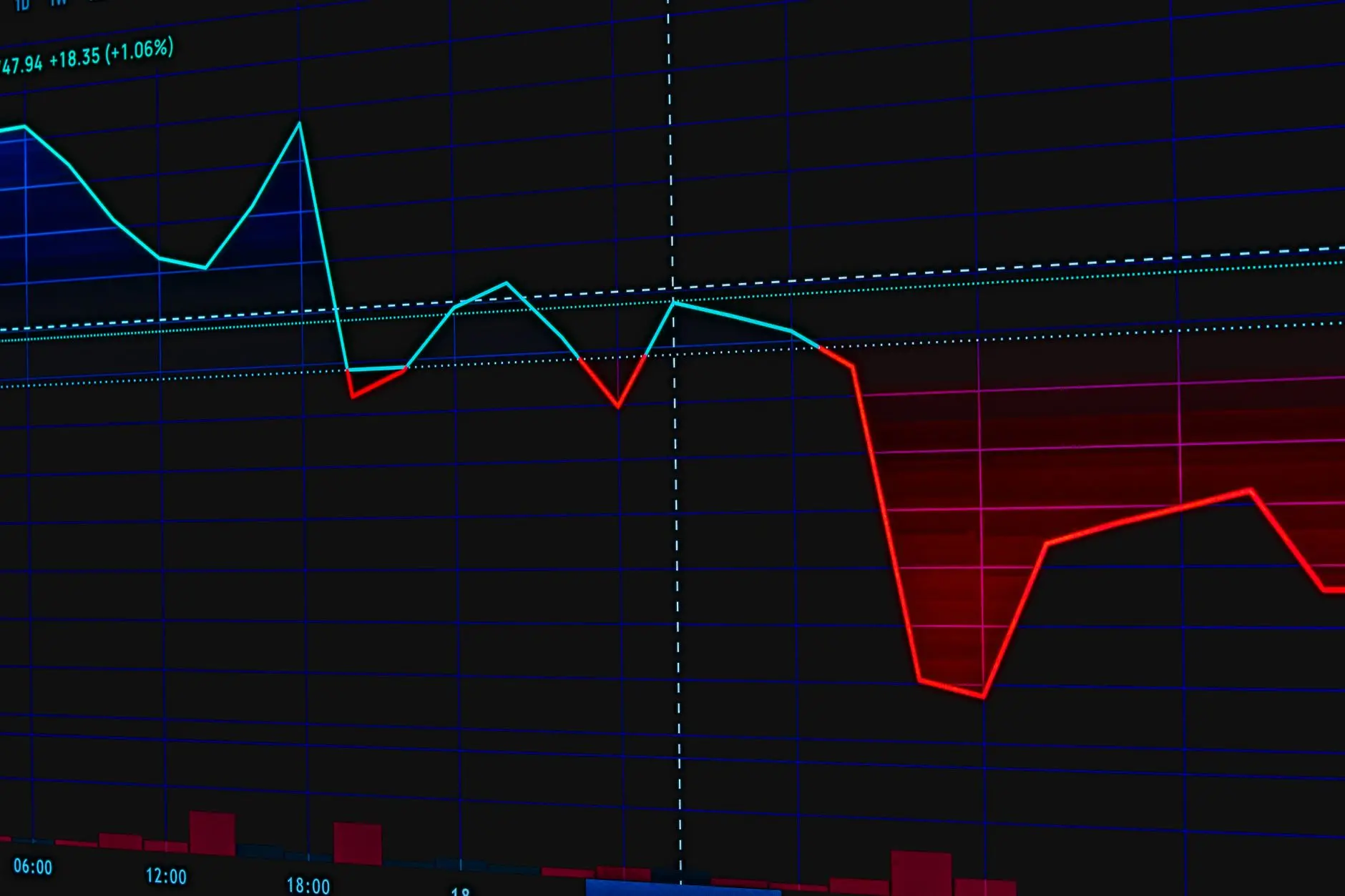
- The Federal Reserve maintains a hawkish monetary policy to combat persistent inflation despite significant market volatility.
- Interest rate increases have contributed to stock market sell-offs, raising concerns about financial stability and economic growth prospects.
- The Fed faces a complex trade-off between curbing inflation and avoiding a deeper economic slowdown or recession.
- Investor expectations and market sentiment remain fragile amid uncertainty over the Fed’s future policy path and economic data.
What happened
The Federal Reserve has reaffirmed its commitment to raising interest rates in an effort to tame inflation, even as global equity markets have experienced significant declines. Recent Federal Open Market Committee (FOMC) communications emphasize the central bank’s readiness to maintain a restrictive policy stance until clear signs of inflation moderation emerge. This approach has intensified market volatility, with major indexes reacting sharply to the Fed’s hawkish tone and signaling a prolonged period of monetary tightening. Despite mounting pressure from investors and some policymakers to pause or slow rate hikes, the Fed remains focused on its inflation mandate.
Why it matters
The Fed’s determination to prioritize inflation control over short-term market stability has profound implications for the global economy. Higher interest rates increase borrowing costs for consumers and businesses, potentially slowing investment and consumption. While the central bank’s actions aim to anchor inflation expectations and prevent a wage-price spiral, the risk of triggering a recession or exacerbating financial market stress is elevated. The interplay between monetary policy and market reactions will shape economic trajectories in the U.S. and beyond, influencing global capital flows, currency valuations, and trade balances.
Industry context
Central banks worldwide are navigating a challenging post-pandemic environment where inflationary pressures have proven more persistent than initially projected. The Federal Reserve’s aggressive rate-hiking cycle contrasts with more cautious approaches from some other major economies, such as the European Central Bank or the Bank of Japan, reflecting differences in inflation dynamics and economic resilience. The Fed’s policies reverberate across global financial markets, affecting emerging market debt, commodity prices, and foreign exchange stability. Market participants are closely watching signals from the Fed to gauge the timing of a potential pivot or pause, which would have ripple effects on risk appetite and asset allocation strategies.
Analysis
The Fed’s hawkish stance embodies a delicate balancing act: tightening financial conditions to suppress inflation without precipitating a severe economic contraction. The central bank’s reliance on forward guidance and data-dependent decision-making aims to manage market expectations, yet the persistence of inflation above target complicates this narrative. Elevated interest rates weigh on equity valuations by increasing discount rates and reducing future earnings prospects. Simultaneously, tighter credit conditions constrain corporate financing and consumer spending. The Fed’s willingness to endure short-term market disruptions underscores its prioritization of long-term price stability. However, the lagged effects of monetary policy mean that economic data may deteriorate before improving, challenging the Fed’s communication strategy and market confidence.
What to watch next
Attention will focus on upcoming inflation reports, employment data, and the Fed’s policy statements for signals of evolving economic conditions and potential shifts in the monetary path. Market participants will scrutinize the Fed’s assessment of inflation drivers, particularly whether supply chain improvements and labor market dynamics begin to alleviate price pressures. The central bank’s balance sheet reduction pace and its impact on liquidity conditions will also be critical. Internationally, responses from other major central banks and geopolitical developments could influence the Fed’s calculus. In this uncertain landscape, the interplay between economic fundamentals and market sentiment will determine whether the Fed’s hawkish approach successfully anchors inflation without triggering prolonged financial instability.
Ask AI about this story
Answers are based on this article and SN Media’s related coverage. AI can make mistakes.
Frequently asked questions
Why is the Federal Reserve continuing to raise interest rates despite market sell-offs?
The Fed is committed to raising rates to combat persistent inflation and maintain a restrictive policy stance until clear signs of inflation moderation appear, prioritizing inflation control over short-term market stability.
What are the potential economic risks of the Fedu2019s hawkish monetary policy?
Higher interest rates could slow investment and consumption by increasing borrowing costs, raising the risk of a recession or exacerbating financial market stress while aiming to prevent a wage-price spiral.
How does the Fedu2019s approach compare to other major central banks?
The Fedu2019s aggressive rate hikes contrast with more cautious approaches from central banks like the European Central Bank and the Bank of Japan, reflecting differences in inflation dynamics and economic resilience.
What indicators will market participants watch to assess the Fedu2019s future policy moves?
Investors will focus on upcoming inflation reports, employment data, the Fedu2019s policy statements, supply chain and labor market developments, balance sheet reduction effects, and international central bank responses to gauge potential shifts in monetary policy.
Continue the story
 BACKGROUND · How we got here
Analyzing the Fed’s Reluctance to Pause Amid Market Volatility
- BACKGROUND · How we got here Market Missteps: Why Investors Are Prematurely Betting on the End of Fed Rate Hikes
- BACKGROUND · How we got here How Hawkish Fed Policies Are Reshaping Gold Market Dynamics
- BACKGROUND · How we got here How Strong U.S. Jobs Data Influences Federal Reserve Rate Decisions
- BACKGROUND · How we got here How Persistent US Inflation is Shaping Federal Reserve Rate Decisions