




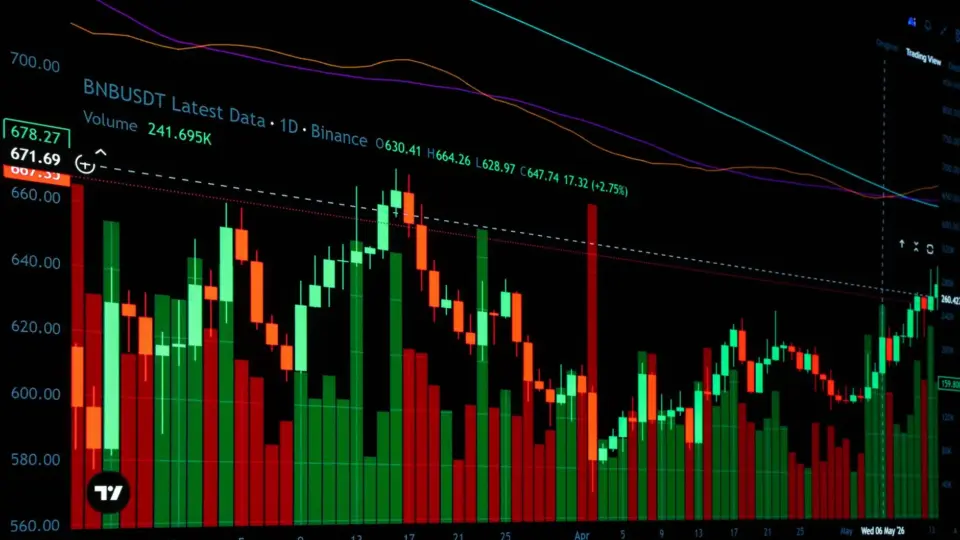




- The AI sector sell-off in October triggered significant mark-to-market losses for major hedge funds, including Marshall Wace and Millennium.
- Volatility in bond markets compounded pressure on hedge funds’ risk models and liquidity management.
- The episode exposed vulnerabilities in strategies heavily reliant on crowded AI and technology positions amid shifting macroeconomic signals.
- Investor recalibration suggests a more cautious approach to sector concentration and leverage going forward.
What happened
October saw a pronounced correction in equities linked to artificial intelligence, compounded by turbulence in global bond markets. Hedge funds with substantial exposure to AI-related stocks, notably Marshall Wace and Millennium Management, reported significant mark-to-market losses. These funds had accumulated sizeable positions betting on continued momentum in AI and technology sectors, but a rapid reversal in sentiment led to a swift unwinding. Simultaneously, bond yields experienced unexpected volatility, shaking fixed income portfolios and straining liquidity conditions. The convergence of these factors precipitated margin calls and forced deleveraging across some of the largest multi-strategy investment firms.
Why it matters
This correction highlights the systemic risks embedded in crowded trades concentrated around emergent technology themes, particularly when paired with volatile interest rate environments. Hedge funds, often viewed as sophisticated risk managers, revealed limitations in anticipating the speed and magnitude of sector rotations. The episode underscores the fragility of leveraging concentrated factor exposures amid uncertain macroeconomic trends. For institutional investors and regulators, it raises questions about the resilience of market infrastructure when multiple correlated asset classes experience simultaneous stress. The losses incurred also prompt a reassessment of risk premia associated with AI-related equities, which had been bid up to valuations increasingly decoupled from traditional financial metrics.
Industry context
The past two years witnessed a surge in capital allocation toward AI and technology sectors, driven by expectations of transformative growth and earnings acceleration. Hedge funds and asset managers deployed increasingly sophisticated quantitative models to capture momentum and factor premiums linked to AI innovation. However, this growth coincided with a tightening monetary policy regime and rising bond yields, creating a complex backdrop. Fixed income volatility challenged conventional hedging strategies and revealed correlations between equity and bond markets that had been historically muted. Moreover, the concentration of positions in a narrow group of megacap tech firms amplified systemic vulnerabilities. These dynamics unfolded against a broader narrative of shifting investor sentiment from growth to value, with rotation pressures intensifying as economic data signaled slowing momentum.
Analysis
The losses suffered by Marshall Wace and Millennium illustrate the interplay of crowding and liquidity risks in contemporary hedge fund portfolios. Both firms employed multi-strategy approaches but leaned heavily into AI-driven equity factors that had outperformed for an extended period. When AI stocks reversed, the rapid mark-to-market losses triggered collateral calls, forcing asset sales into a declining market. The simultaneous stress in bond markets exacerbated liquidity constraints, as funds could not rely on traditional safe-haven assets to offset equity drawdowns. This scenario exposed the limits of diversification when asset correlations converge under stress.
Risk models that underweighted tail events in AI sector volatility or relied on historical correlations failed to capture the nonlinear risks presented by rapid investor sentiment shifts. The episode also demonstrated the challenges of managing leverage amid volatile macroeconomic signals. Hedge funds faced a delicate trade-off between maintaining exposure to high-conviction themes and preserving liquidity buffers.
From a strategic perspective, the correction may catalyze more disciplined position sizing and enhanced scenario analysis incorporating cross-asset vulnerabilities. It also highlights the need for dynamic risk management frameworks that can adapt to sudden regime shifts, particularly in an environment where technological innovation and monetary policy evolve concurrently.
What to watch next
Investors and market participants should monitor how hedge funds adjust their exposure to AI and technology sectors amid ongoing macroeconomic uncertainty. A key indicator will be whether funds reduce concentrated bets in favor of more diversified factor exposures or hedge against interest rate volatility more aggressively. Additionally, developments in bond market stability will be critical, as persistent volatility could continue to pressure multi-asset strategies.
Regulators and industry observers may increase scrutiny on liquidity risk management and leverage practices in large hedge funds, especially as the intersection of technology-driven equity markets and fixed income dynamics evolves. The coming quarters will reveal whether this correction serves as a catalyst for structural changes in risk assessment methodologies or remains a transient episode within broader market cycles.
Finally, the trajectory of AI sector valuations and earnings performance will be central to determining whether the recent sell-off represents a recalibration to more sustainable levels or a deeper reassessment of growth prospects in the technology landscape.
Ask AI about this story
Answers are based on this article and SN Media’s related coverage. AI can make mistakes.
Frequently asked questions
What triggered the significant losses for hedge funds like Marshall Wace and Millennium in October?
The losses were triggered by a sharp sell-off in AI-related equities combined with volatility in global bond markets, which led to mark-to-market losses, margin calls, and forced deleveraging for funds heavily exposed to AI and technology sectors.
How did bond market volatility contribute to the hedge funds' difficulties?
Volatility in bond yields disrupted fixed income portfolios and strained liquidity conditions, limiting the ability of hedge funds to use traditional safe-haven assets to offset equity losses and exacerbating liquidity constraints during the equity sell-off.
What weaknesses in hedge fund risk management were revealed by this market correction?
The episode exposed limitations in risk models that underweighted tail risks and relied on historical correlations, as well as challenges in managing leverage and liquidity amid rapid sector rotations and correlated stress across equity and bond markets.
What are the potential implications for hedge fund strategies going forward?
Hedge funds may adopt more cautious position sizing, enhanced scenario analysis that includes cross-asset vulnerabilities, and dynamic risk management frameworks to better handle sudden regime shifts, particularly in environments of concurrent technological innovation and monetary policy changes.
Continue the story
 BACKGROUND · How we got here
The Risks of AI-Driven Growth: How Investor Sentiment is Shifting in US Markets
- BACKGROUND · How we got here AI Investment Worries Trigger Sell-Off in US Tech Stocks
- BACKGROUND · How we got here The Sustainability of the AI Investment Boom: Market Reactions and Future Outlook
- BACKGROUND · How we got here The Impact of Amazon and Intel’s AI Setbacks on Global Tech Stocks
- BACKGROUND · How we got here How Falling Oil Prices Are Calming Volatility in AI-Driven Tech Stocks