


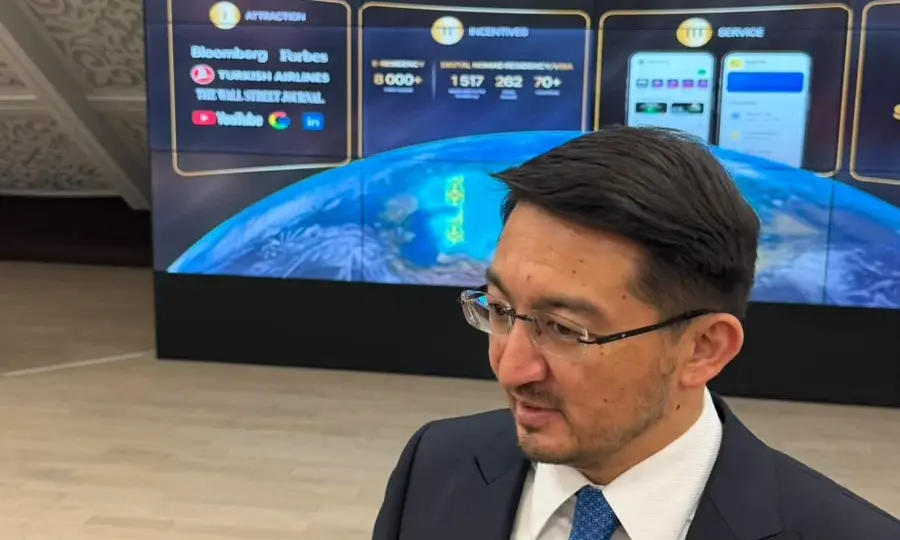






What happened
In recent years, the question of who controls influential media outlets across national borders has taken on heightened significance. Governments and regulatory bodies worldwide are scrutinizing foreign investments and acquisitions in key media markets, citing concerns over national security, information sovereignty, and economic influence. This scrutiny has led to regulatory interventions, revised ownership rules, and increased public debate about the implications of cross-border media ownership on the integrity and independence of news dissemination.

Why it matters
The ownership of media outlets is no longer a purely commercial or cultural matter; it has become a core issue of geopolitical strategy. Media platforms shape public opinion, influence political discourse, and can act as vectors for soft power. When ownership crosses borders, especially involving entities linked to foreign governments or strategic competitors, it raises questions about editorial independence and the potential for covert influence operations. Ensuring transparency and safeguarding the autonomy of media is thus central to preserving democratic processes and national security.
Industry context
The media industry has long been globalizing, driven by digital distribution and the expansion of multinational conglomerates. However, this globalization has collided with rising nationalist sentiments and strategic realignments. Regulatory frameworks in many countries have evolved to address concerns over foreign ownership, often imposing caps or requiring government approval for significant stakes. At the same time, media companies face pressures to balance commercial growth with compliance to varied regulatory regimes, all amid a rapidly shifting technological landscape that complicates content control and distribution.

Analysis
The tension between globalization and national security imperatives is acute in the media sector. On one hand, foreign investment can bring capital, innovation, and broader perspectives to domestic media markets. On the other, it can serve as a conduit for influence that undermines local editorial independence. The challenge lies in distinguishing legitimate business interests from strategic attempts to shape narratives or destabilize information ecosystems. Regulatory approaches are evolving, often informed by intelligence assessments and geopolitical risk analyses, but they must also safeguard freedom of expression and avoid protectionism that stifles market dynamics.
Moreover, the digital age has introduced new complexities. Traditional regulatory mechanisms based on ownership and jurisdiction struggle to keep pace with online platforms that operate beyond national boundaries. This raises further questions about how to monitor and manage foreign influence that operates through algorithmic amplification rather than direct ownership, although ownership remains a critical vector.
What to watch next
Future developments will likely include more comprehensive regulatory frameworks that address both ownership and content influence with greater nuance. International cooperation could become essential as countries seek to harmonize standards and share intelligence on media-related risks. Additionally, the evolving role of technology companies as content gatekeepers may influence how cross-border media influence is managed. Observers should monitor legislative initiatives, regulatory rulings, and high-profile media acquisitions that test the boundaries of national security and free expression in this complex arena.
Ask AI about this story
Answers are based on this article and SN Media’s related coverage. AI can make mistakes.
Frequently asked questions
Why has cross-border media ownership become a national security concern?
Cross-border media ownership is seen as a national security concern because foreign control of influential outlets can affect editorial independence and serve as a channel for covert influence operations, potentially undermining democratic processes and information sovereignty.
How are governments responding to foreign investments in their media sectors?
Governments and regulators are imposing stricter ownership rules, requiring approvals for significant foreign stakes, and revising regulatory frameworks to address national security risks while balancing freedom of expression and market dynamics.
What challenges does the digital age pose to regulating foreign media influence?
The digital age complicates regulation because online platforms operate beyond national boundaries and can amplify foreign influence algorithmically, making traditional ownership-based regulatory mechanisms less effective.
What future trends are expected in managing cross-border media ownership and influence?
Future trends likely include more comprehensive and nuanced regulatory frameworks, increased international cooperation to harmonize standards and share intelligence, and greater scrutiny of technology companies as content gatekeepers in managing cross-border media influence.
Continue the story
 LATEST
The Historical Lessons of the 1973 Arab Oil Embargo for Today’s Energy Policies
LATEST
The Historical Lessons of the 1973 Arab Oil Embargo for Today’s Energy Policies
- LATEST How Cross-Asset Hedging Is Reshaping Investment Strategies Amid Market Uncertainty
- LATEST Global Fuel Supply Chains Under Strain: How Geopolitics Are Driving Diesel Prices Up
- LATEST The Growing Influence of Russian-Aligned Lobbyists in Washington
- LATEST How Falling Oil Prices Are Reshaping Global Market Sentiment Amid European Debt Worries