








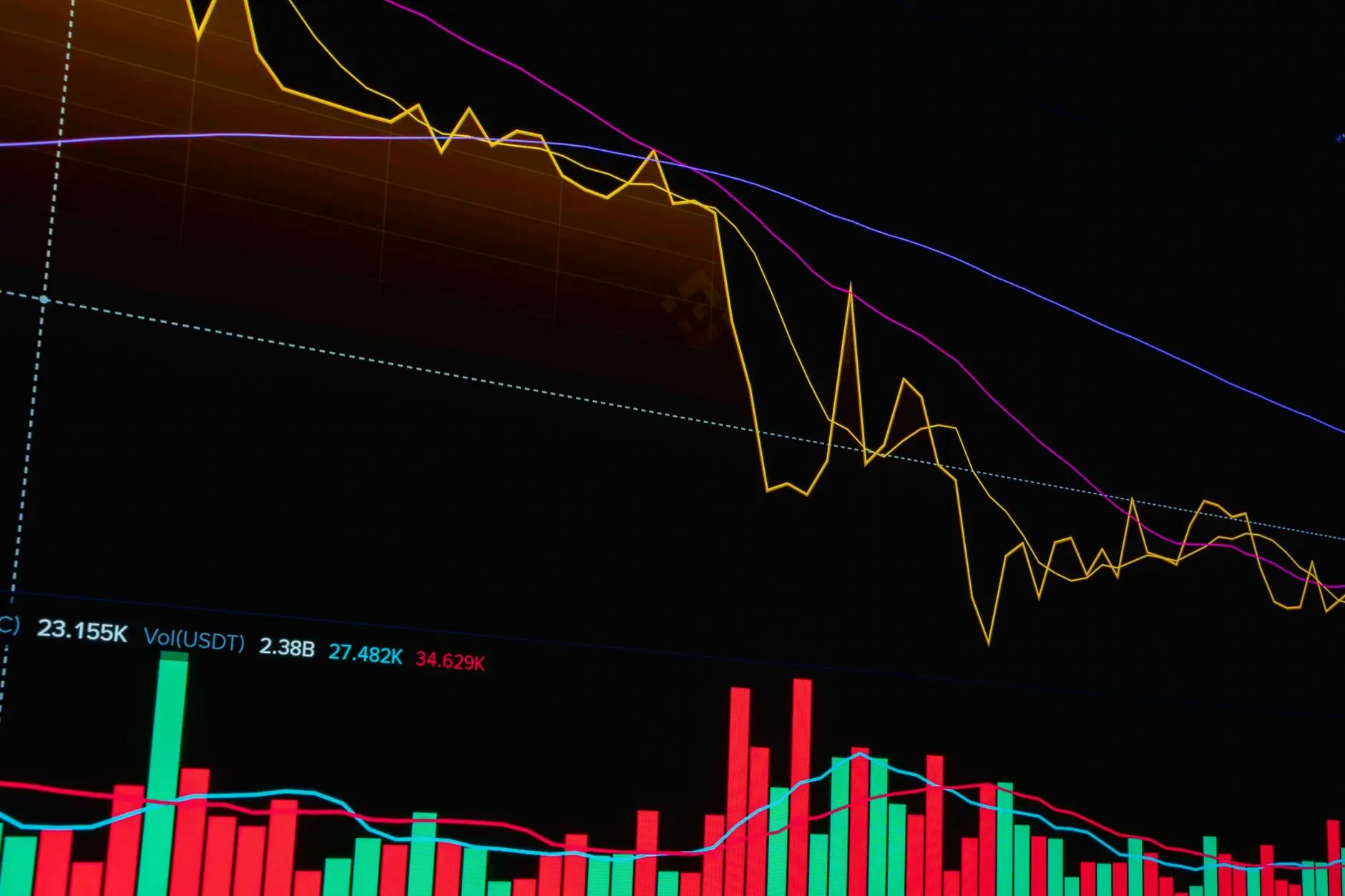
- Declining oil prices are easing inflationary pressures globally, offering a boost to equity markets.
- European sovereign debt challenges continue to weigh on the euro and investor confidence.
- Commodity price shifts are influencing central bank policy expectations and market volatility.
- Interplay between energy markets and sovereign risk is creating complex cross-asset dynamics.
How Falling Oil Prices Are Reshaping Global Market Sentiment Amid European Debt Worries
What happened
Oil prices have experienced a notable decline over recent weeks, reversing some of the sharp increases seen earlier this year. This drop comes as concerns about global demand growth have intensified, alongside easing expectations for aggressive monetary tightening in key economies. At the same time, Europe remains embroiled in a deepening debt crisis, with several sovereign issuers facing heightened borrowing costs and investor skepticism. These twin developments—in energy markets and European fiscal conditions—are exerting opposing pressures on global financial markets, influencing currency valuations and equity performance in nuanced ways.
Why it matters
The movement in oil prices has immediate implications for inflation trajectories worldwide. Lower energy costs reduce input expenses for businesses and consumers, potentially alleviating the cost-push inflation that central banks have struggled to tame. This in turn tempers expectations for further interest rate hikes, which supports risk asset valuations. Conversely, the unresolved European debt issues undermine confidence in the eurozone’s financial stability, prompting capital flight and currency depreciation. The juxtaposition of easing inflation risks and persistent sovereign vulnerabilities creates a complex backdrop for investors, policymakers, and multinational corporations navigating cross-border exposures.
Industry context
The energy sector, historically a major driver of inflation and market sentiment, now finds itself at the center of a broader macroeconomic recalibration. Oil price fluctuations not only reflect supply-demand imbalances but also geopolitical tensions and strategic reserve releases. Meanwhile, Europe’s sovereign debt challenges stem from a combination of structural fiscal deficits, demographic headwinds, and uneven economic recovery post-pandemic. Credit rating agencies and bond markets have reacted accordingly, increasing yields on weaker issuers and raising the cost of capital. This environment tests the resilience of financial institutions and regional economic cohesion, with ripple effects across global trade and investment flows.
Analysis
The interaction between falling oil prices and European debt stress illustrates the multifaceted nature of contemporary market dynamics. Declining energy costs provide a welcome reprieve for inflation but do not erase the risks posed by fiscal imbalances in Europe. Investors face the trade-off between seeking opportunities in undervalued equities buoyed by lower input costs and mitigating exposure to sovereign credit risks that threaten currency stability. Central banks are caught in a delicate balancing act; dovish signals driven by easing commodity inflation must be weighed against the potential fallout from a eurozone debt crisis that could spill over into global financial contagion. This scenario underscores the limits of conventional monetary policy tools when confronted with simultaneous supply-side and structural fiscal shocks.
What to watch next
Market participants should monitor several key indicators to gauge the evolving landscape. First, oil price trajectories will remain crucial, influenced by OPEC+ production decisions, geopolitical developments, and global demand signals from major economies like China and the US. Second, European sovereign bond spreads and credit default swap prices will provide real-time assessments of fiscal stress and contagion risk. Third, central bank communications—particularly from the European Central Bank and the US Federal Reserve—will reveal how policymakers balance inflation control against financial stability concerns. Finally, currency market fluctuations, particularly the euro’s performance against the dollar and other major currencies, will reflect underlying confidence levels and capital flow shifts. These elements together will shape the outlook for global markets in the coming quarters.
Ask AI about this story
Answers are based on this article and SN Media’s related coverage. AI can make mistakes.
Frequently asked questions
How are falling oil prices affecting global inflation and equity markets?
Declining oil prices reduce input costs for businesses and consumers, easing inflationary pressures and tempering expectations for further interest rate hikes, which supports equity market valuations.
What ongoing challenges is Europe facing that impact global markets?
Europe is dealing with a deepening sovereign debt crisis marked by higher borrowing costs and investor skepticism, which undermines confidence in the eurozoneu2019s financial stability and contributes to euro depreciation.
How do oil price changes and European debt issues interact to influence investor decisions?
Falling oil prices provide relief for inflation and support risk assets, but persistent European fiscal vulnerabilities create sovereign credit risks and currency instability, forcing investors to balance opportunities against potential financial contagion.
What indicators should market participants watch to understand future market developments?
Key indicators include oil price trends influenced by OPEC+ and global demand, European sovereign bond spreads and credit default swap prices, central bank communications from the ECB and Federal Reserve, and currency market movements, especially the euro against major currencies.
Continue the story
 LATEST
How Falling Oil Prices Are Reshaping US Stock Market Sentiment
LATEST
How Falling Oil Prices Are Reshaping US Stock Market Sentiment