








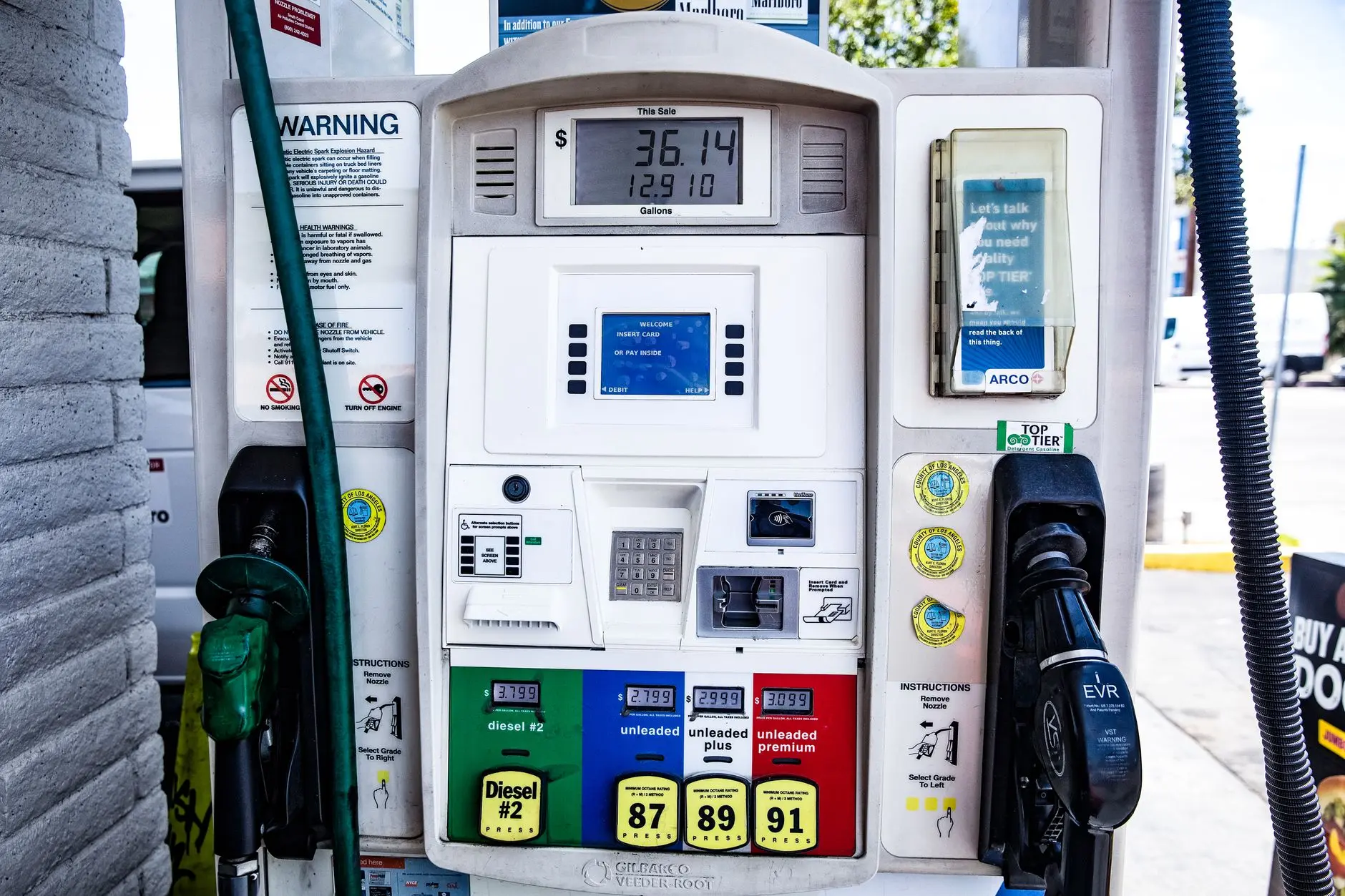
- Europe’s strategic fuel reserves serve as a buffer but are limited in scale relative to consumption.
- Releasing stocks can provide short-term relief for diesel prices but does not address underlying supply constraints.
- US calls for increased releases reflect transatlantic concerns over inflation and energy security.
- Long-term price stabilization depends on infrastructure, refining capacity, and geopolitical dynamics beyond stockpiles.
What happened
European authorities, responding to sustained diesel price inflation, have been encouraged by the United States to release more strategic fuel reserves. These reserves, established to mitigate supply shocks, are intended as a tool to ease immediate market pressures. In the face of elevated diesel costs—driven by global demand shifts, refining bottlenecks, and geopolitical tensions—calls for increased stockpile usage have gained traction as a mechanism to temper price volatility. The discussion has reignited focus on how strategic petroleum reserves (SPRs) function within the broader energy ecosystem and their actual influence on market dynamics.
Why it matters
Diesel is a critical commodity underpinning transportation, logistics, and industrial operations across Europe. Price surges ripple through economies, inflating costs of goods and services and exerting inflationary pressures on consumers. The potential for strategic reserves to moderate these price increases holds significant implications for economic stability and energy security. However, the efficacy of releasing stockpiles depends on the size, replenishment policies, and coordination among European nations, as well as external factors such as crude supply and refining throughput. Understanding the limits and potential of these reserves is essential for policymakers balancing immediate relief against longer-term energy resilience.
Industry context
Europe’s strategic fuel reserves originated from mandates by the International Energy Agency (IEA), requiring member countries to hold at least 90 days of net imports in stock to shield against supply disruptions. These reserves predominantly consist of crude oil or refined products like diesel and gasoline, stored in government or private facilities. The refining sector in Europe faces constraints, including aging infrastructure and higher compliance costs related to emissions standards, which restrict capacity expansion. Concurrently, global diesel demand is influenced by factors such as post-pandemic economic recovery and shifts toward lower-carbon fuels, complicating supply-demand balances. Recent geopolitical disruptions—such as sanctions on Russian energy exports—have further tightened markets, elevating prices.
Analysis
The strategic release of diesel stocks acts as a temporary supply increment, which can momentarily relieve price pressures. However, the overall volume of reserves, while substantial in absolute terms, is modest relative to daily consumption and ongoing demand growth. Additionally, the timing and coordination of releases are critical; uncoordinated or piecemeal withdrawals risk minimal impact or market distortions. The US appeal for increased European releases underscores a transatlantic alignment on managing inflationary trends but also reveals underlying vulnerabilities in refining and supply chains. Structural factors—such as refinery closures, limited investment in new processing capacity, and logistical bottlenecks—remain fundamental constraints that stockpile interventions cannot resolve. Furthermore, the strategic imperative to maintain reserves for genuine emergencies limits how aggressively they can be deployed without compromising future security.
What to watch next
Key developments to monitor include the European Commission’s stance on coordinated reserve releases and the extent to which member states synchronize their actions. Refinery operational rates and maintenance schedules will also influence market tightness and price trajectories. Additionally, evolving geopolitical tensions—especially concerning Russian energy exports and alternative supply routes—will continue to shape availability and cost structures. Longer-term, investments in refining upgrades, alternative fuel infrastructure, and diversified import channels will determine Europe’s resilience against diesel price shocks. Observers should also track IEA policy adjustments and US-Europe collaboration frameworks that may redefine strategic reserve management amid shifting global energy paradigms.
Ask AI about this story
Answers are based on this article and SN Media’s related coverage. AI can make mistakes.
Frequently asked questions
What role do Europeu2019s strategic fuel reserves play in managing diesel price inflation?
Europeu2019s strategic fuel reserves provide a buffer to mitigate supply shocks and can offer short-term relief for diesel prices, but their scale is limited relative to daily consumption and they do not address underlying supply constraints.
Why has the United States called for increased releases of European fuel stockpiles?
The US calls for increased releases reflect shared concerns over inflation and energy security, aiming to temper diesel price volatility amid global market pressures and geopolitical tensions.
What are the limitations of relying on strategic reserves to stabilize diesel prices long-term?
Strategic reserves are limited by their volume, the need to maintain emergency stock levels, and coordination challenges; long-term price stabilization depends more on refining capacity, infrastructure investment, and geopolitical factors beyond stockpile releases.
What factors will influence the effectiveness of future reserve releases and diesel price trends?
Effectiveness depends on coordinated actions by European member states, refinery operational rates, geopolitical developments affecting supply routes, and longer-term investments in refining and alternative fuel infrastructure.
Continue the story
 BACKGROUND · How we got here
Global Fuel Supply Chains Under Strain: How Geopolitics Are Driving Diesel Prices Up
BACKGROUND · How we got here
Global Fuel Supply Chains Under Strain: How Geopolitics Are Driving Diesel Prices Up