








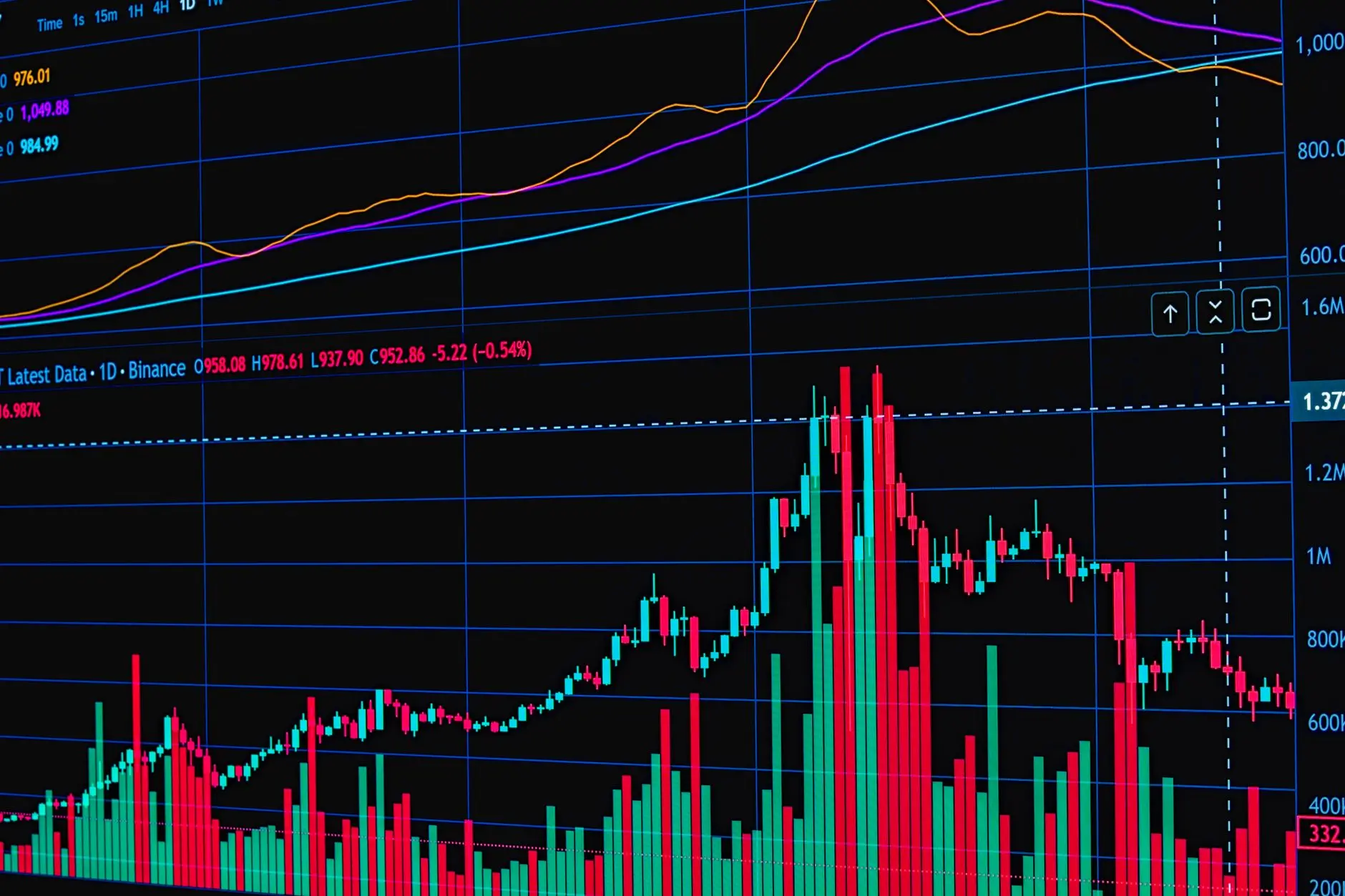
- Nvidia’s Q1 earnings significantly exceeded market expectations, driven by robust demand in data center and gaming segments.
- The company raised its full-year revenue guidance, signaling continued growth despite macroeconomic uncertainties.
- Wall Street’s positive reaction underscores Nvidia’s pivotal role in AI and semiconductor markets amid geopolitical tensions.
- CEO controversies have not materially impacted investor confidence as fundamentals dominate sentiment.
What happened
Nvidia reported quarterly earnings that outpaced analyst forecasts, with revenue reaching $13.5 billion, a 70% increase year-over-year. This surge was propelled primarily by its data center business, which benefited from heightened demand for AI-related computing power, alongside a resilient gaming segment. Following these results, Nvidia raised its full-year revenue guidance by approximately 20%, projecting $82 billion in sales. The company’s robust performance came despite recent public scrutiny of CEO Jensen Huang, whose leadership faced questions amid broader industry challenges. Investors responded positively, pushing Nvidia’s stock higher in pre-market trading and setting a constructive tone for the broader Wall Street open.
Why it matters
Nvidia’s earnings beat and upgraded guidance carry weight far beyond the company’s immediate valuation. The semiconductor giant’s financial health serves as a bellwether for the AI hardware market, a sector experiencing rapid expansion due to generative AI technologies. Its ability to sustain growth amid global supply chain disruptions and geopolitical tensions underscores the strategic importance of its GPUs and software stack. Moreover, the market’s muted reaction to leadership controversies suggests that institutional investors prioritize operational excellence and market positioning over headline risks. This dynamic highlights the evolving criteria by which technology firms are assessed in a complex international environment.
Industry context
The semiconductor industry remains at the nexus of technological innovation and geopolitical contestation. Nvidia’s dominance in GPUs for AI workloads positions it uniquely amid escalating U.S.-China tensions, export controls, and efforts to diversify supply chains. While competitors struggle with inventory corrections and slower demand in consumer electronics, Nvidia’s focus on data center infrastructure aligns with sustained enterprise investment in AI capabilities. However, this sector is also characterized by rapid innovation cycles, requiring continuous capital expenditure and R&D to maintain leadership. Nvidia’s raised guidance reflects confidence in navigating these pressures, but also sets a high bar for execution in a volatile environment.
Analysis
Nvidia’s results illustrate how specialized hardware companies can capitalize on structural shifts in computing paradigms. The company’s data center revenue, which now accounts for more than half of total sales, reveals the transition from traditional CPUs to accelerated processing units optimized for machine learning. This shift is reinforced by Nvidia’s ecosystem strategy, including software frameworks and partnerships, which create high switching costs for customers. The raised guidance signals management’s expectation that AI adoption will accelerate despite inflationary pressures and potential regulatory scrutiny. Meanwhile, the CEO’s personal controversies, though headline-grabbing, have not undermined investor trust—reflecting a market that increasingly separates governance issues from operational momentum in high-growth sectors.
What to watch next
Market participants will closely monitor Nvidia’s execution of its ambitious revenue targets against evolving geopolitical risks, particularly U.S. export restrictions on Chinese tech firms. The company’s ability to expand its AI ecosystem and maintain supply chain resilience amid semiconductor shortages will be critical. Additionally, investor sentiment may hinge on how Nvidia addresses corporate governance and leadership transparency moving forward. Finally, broader semiconductor market trends, including competitors’ responses to AI demand and potential regulatory shifts in key markets, will shape Nvidia’s trajectory. As AI hardware remains a cornerstone of technological advancement, Nvidia’s performance will continue to serve as a proxy for the sector’s health and direction.
Ask AI about this story
Answers are based on this article and SN Media’s related coverage. AI can make mistakes.
Frequently asked questions
What were the key drivers behind Nvidiau2019s strong Q1 earnings performance?
Nvidiau2019s Q1 earnings beat was primarily driven by robust demand in its data center business, fueled by AI-related computing needs, and a resilient gaming segment.
How did Nvidiau2019s CEO controversies affect investor confidence according to the article?
Despite recent public scrutiny of CEO Jensen Huang, investor confidence remained strong, with fundamentals and operational performance outweighing leadership controversies in market sentiment.
What is the significance of Nvidiau2019s raised full-year revenue guidance?
The raised guidance, projecting $82 billion in sales, signals Nvidiau2019s confidence in continued growth amid macroeconomic uncertainties and underscores its pivotal role in the expanding AI hardware market.
What are the main risks and factors to watch for Nvidiau2019s future performance?
Key factors include Nvidiau2019s ability to meet ambitious revenue targets, navigate geopolitical challenges such as U.S. export restrictions on China, maintain supply chain resilience, and address corporate governance concerns, all within a rapidly evolving semiconductor landscape.
Continue the story
 LATEST
Tech Sector Resilience: How Nvidia’s Leadership Shift is Reviving US Stock Futures