








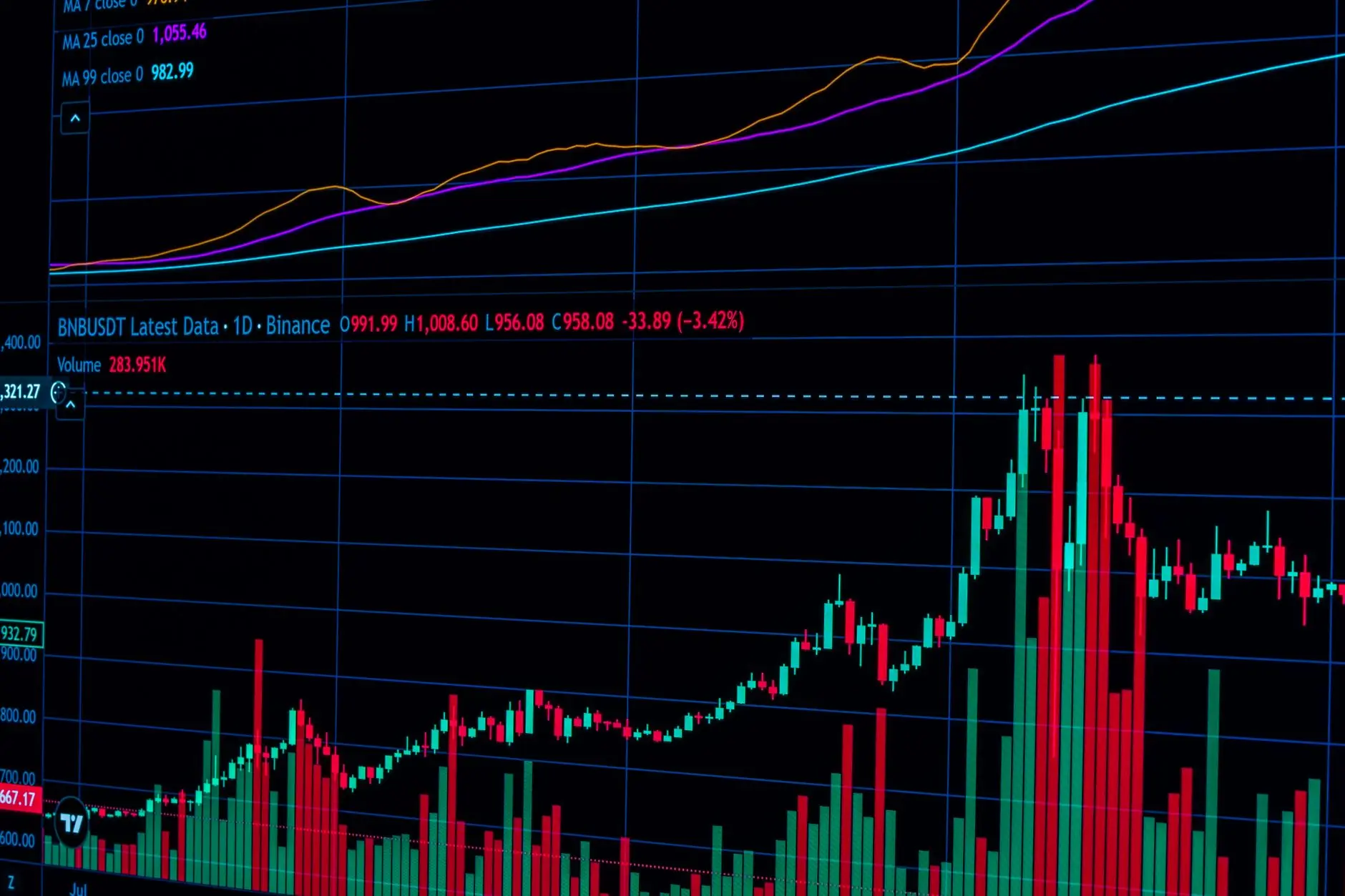
- Nvidia’s recent stock volatility has amplified risk aversion among equity investors.
- Heightened uncertainty in the tech sector has redirected capital flows towards long-dated US Treasuries.
- US government bonds are increasingly viewed as a critical hedge amid sector-specific disruptions.
- This dynamic underscores the interconnectedness of equity market shocks and fixed income demand.
What happened
Nvidia, a bellwether of the semiconductor and technology sectors, experienced pronounced stock price fluctuations in recent weeks. This volatility has reverberated through financial markets, unsettling investors who had previously exhibited strong confidence in tech equities. As a result, there has been a notable uptick in demand for long-dated US Treasury bonds, instruments traditionally regarded as safe havens during periods of market stress. The reopening of these bonds with gains signals a shift in investor sentiment from risk-on to risk-off postures, driven in part by the uncertainty surrounding Nvidia’s near-term earnings prospects and broader sector challenges.
Why it matters
The movement of capital away from tech stocks and into US Treasuries reflects a nuanced recalibration of risk tolerance. Nvidia’s market performance is not an isolated event; it serves as a proxy for the health and outlook of the high-growth technology sector. Given the sector’s outsized weight in equity indices and its integral role in global innovation, shifts in investor confidence here can cascade through asset classes. The increased appetite for long-dated Treasuries, which offer lower yields but greater stability, underscores a preference for preserving capital amid anticipated volatility. This behavioral shift has implications for Treasury yields, corporate financing costs, and the broader economic outlook.
Industry context
The technology sector, particularly semiconductor firms like Nvidia, has been navigating a complex environment marked by supply chain disruptions, regulatory scrutiny, and evolving demand patterns. Following a sustained period of rapid appreciation, tech stocks have confronted headwinds including inflationary pressures and tightening monetary policy globally. In parallel, US Treasuries have traditionally functioned as a counterbalance during equity market turbulence. The current dynamic illustrates how sector-specific volatility can trigger broader portfolio reallocation toward government debt. This interplay reflects long-standing market mechanisms where equities and bonds serve complementary roles in risk management and capital preservation.
Analysis
Nvidia’s stock swings have catalyzed a reexamination of risk premia across asset classes. Institutional investors, including pension funds and insurance companies, are particularly sensitive to the volatility in high-beta tech sectors, prompting a strategic pivot towards the relative safety of government bonds. The surge in long-dated Treasury demand also affects yield curve dynamics, potentially flattening the curve as investors lock in yields amid uncertainty. This behavior may constrain capital availability for riskier corporate ventures, influencing funding conditions and investment decisions beyond the technology space. Moreover, the episode highlights the feedback loop between equity market volatility and fixed income demand, where fluctuations in one domain recalibrate expectations and positioning in the other.
What to watch next
Market participants will be closely monitoring Nvidia’s forthcoming earnings reports and guidance updates for signals on the durability of its business momentum. Any indication of sustained weakness or unexpected challenges could reinforce risk-off sentiment and prolong elevated demand for US Treasuries. Additionally, macroeconomic data on inflation and Federal Reserve policy decisions will influence the fixed income market’s trajectory, potentially altering the balance between yield-seeking and safety-oriented flows. Observers should also track whether similar patterns emerge across other technology firms, which would suggest a broader sector recalibration rather than isolated company-specific issues. These developments will shape the interplay between equity market volatility and Treasury demand in the near term.
Ask AI about this story
Answers are based on this article and SN Media’s related coverage. AI can make mistakes.
Frequently asked questions
How has Nvidiau2019s recent stock volatility affected investor behavior?
Nvidiau2019s stock fluctuations have increased risk aversion among investors, leading to a notable rise in demand for long-dated US Treasury bonds as a safer investment amid technology sector uncertainty.
Why are long-dated US Treasuries becoming more attractive to investors now?
Long-dated US Treasuries offer greater stability and serve as a hedge during periods of market stress, making them appealing as investors shift from riskier tech stocks due to concerns about Nvidiau2019s earnings and broader sector challenges.
What broader market implications arise from the shift towards US Treasuries triggered by Nvidiau2019s performance?
The increased demand for Treasuries may flatten the yield curve, constrain capital for riskier corporate ventures, and influence funding conditions beyond tech, highlighting the interconnectedness of equity volatility and fixed income markets.
What factors will influence whether the current demand for US Treasuries continues?
Future Nvidia earnings reports, macroeconomic data on inflation, Federal Reserve policy decisions, and whether similar volatility occurs in other tech firms will all impact the persistence of elevated Treasury demand and risk-off sentiment.
Continue the story
 LATEST
Tech Sector Resilience: How Nvidia’s Leadership Shift is Reviving US Stock Futures