








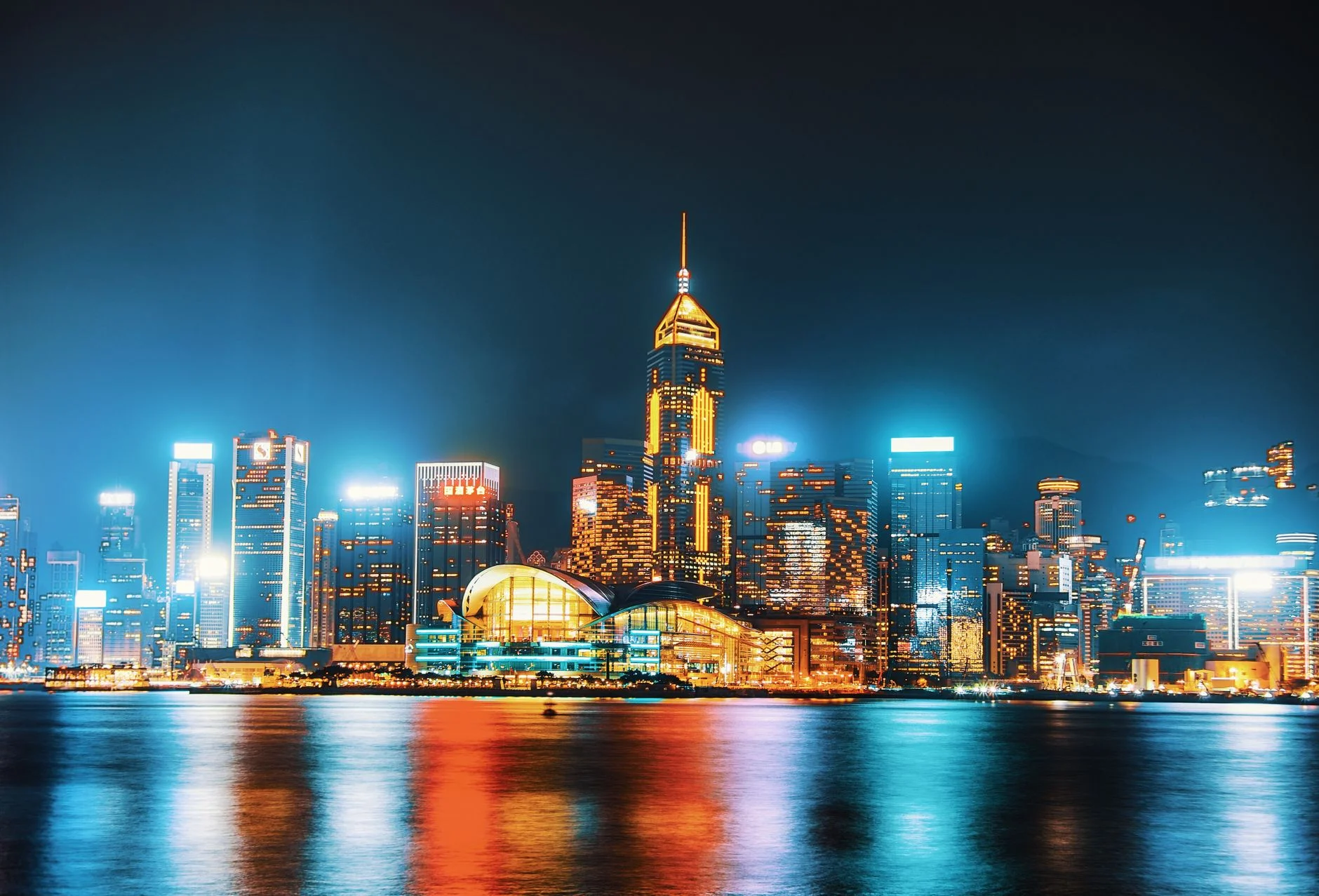
- Hong Kong targets Central Asian state-owned infrastructure firms for public listings to broaden its capital market base.
- The initiative aligns with Hong Kong’s strategic aim to diversify beyond traditional financial sectors and geographic markets.
- Central Asia’s growing economies and infrastructure needs present mutually beneficial opportunities for Hong Kong’s exchange and regional firms.
- This move reflects broader geopolitical and economic shifts as Hong Kong recalibrates its role amid China’s Belt and Road ambitions.
What happened
Hong Kong’s financial regulators and policymakers have signaled a concerted effort to attract state-owned enterprises (SOEs) from Central Asia—particularly those engaged in infrastructure development—to list on the city’s stock exchange. This initiative has been publicly underscored by Hong Kong’s Chief Executive, who highlighted ongoing discussions with multiple Central Asian state firms and anticipated additional listings in the near term. The move is part of a broader strategy to deepen Hong Kong’s financial links with the rapidly evolving economies of Kazakhstan, Uzbekistan, Turkmenistan, and their neighbors.
Why it matters
This development marks a significant pivot in Hong Kong’s approach to financial market diversification. Historically dominated by Chinese mainland corporations, international banks, and tech giants, Hong Kong’s stock exchange now aims to expand its issuer base into emerging markets with distinct economic trajectories. Central Asian SOEs represent a largely untapped source of capital market activity, offering new revenue streams and investor interest. For Central Asia, listing in Hong Kong provides enhanced access to international capital, increased transparency, and integration into global financial networks—critical for infrastructure projects requiring substantial long-term funding.
Industry context
Hong Kong’s financial ecosystem has been navigating complex pressures: geopolitical tensions, competition from Shanghai and Shenzhen exchanges, and the need to maintain its status as a premier international finance center. Concurrently, Central Asia is experiencing accelerated infrastructure development fueled by natural resource revenues and the expanding Belt and Road Initiative (BRI). However, many Central Asian SOEs face limitations in domestic capital markets due to lower liquidity, regulatory constraints, and investor risk perceptions. Hong Kong’s advanced regulatory framework, liquid markets, and international investor base position it as an attractive listing venue for these firms seeking capital while enhancing their global profile.
Analysis
Hong Kong’s push to court Central Asian SOEs is a calculated response to multiple intersecting dynamics. First, it mitigates overreliance on mainland Chinese issuers by cultivating a more geographically diverse issuer mix, thus reducing systemic risks associated with regional political or economic shocks. Second, it taps into infrastructure firms whose projects align with broader regional connectivity goals, potentially creating synergies with Hong Kong’s financial services, including green finance and project bonds. Third, the move reflects a subtle geopolitical recalibration: by embracing Central Asian entities, Hong Kong implicitly supports China’s broader BRI framework while simultaneously bolstering its own international financial relevance.
Nonetheless, challenges remain. Central Asian SOEs must navigate Hong Kong’s stringent disclosure and governance standards, which may require significant institutional reforms. The exchange must also manage investor appetite and risk perception toward these markets, which are often seen as less transparent and more volatile. Successfully bridging these gaps will require concerted efforts from regulatory bodies, firms, and investors alike.
What to watch next
Market participants and observers should monitor the pace and profile of upcoming Central Asian listings on the Hong Kong exchange, noting the sectors and firm sizes involved. Regulatory developments around cross-border capital flows, enhanced disclosure requirements, and investor protection will be critical in shaping the success of this initiative. Additionally, the response from competing financial centers in the region and China’s mainland exchanges will offer insights into the broader competitive dynamics at play. Ultimately, the evolution of this strategy will reveal how Hong Kong balances its historic strengths with emerging regional economic realities.
Ask AI about this story
Answers are based on this article and SN Media’s related coverage. AI can make mistakes.
Frequently asked questions
What is the main goal of Hong Kong attracting Central Asian state-owned infrastructure firms to list on its stock exchange?
The main goal is to diversify Hong Kongu2019s financial markets beyond traditional sectors and geographic areas, reducing reliance on mainland Chinese issuers and tapping into emerging markets with distinct economic trajectories.
Why are Central Asian state-owned enterprises interested in listing in Hong Kong?
Listing in Hong Kong offers Central Asian SOEs enhanced access to international capital, increased transparency, and integration into global financial networks, which are important for funding large infrastructure projects.
What challenges do Central Asian firms face in listing on the Hong Kong exchange?
They must meet Hong Kongu2019s stringent disclosure and governance standards, which may require significant reforms, and address investor concerns related to market transparency and volatility.
How does this initiative relate to broader geopolitical and economic trends?
The initiative aligns with Chinau2019s Belt and Road ambitions by supporting regional infrastructure connectivity while allowing Hong Kong to recalibrate its international financial role and reduce systemic risks from overreliance on mainland issuers.
Continue the story
 LATEST
Hong Kong’s Strategic Push to Expand Dim Sum Bonds Market: Implications for Global Finance
LATEST
Hong Kong’s Strategic Push to Expand Dim Sum Bonds Market: Implications for Global Finance
- LATEST How AI Investment Is Reshaping Hong Kong’s Capital Markets
- LATEST Hong Kong’s Gold Hub Initiative: A Strategic Pivot in Global Commodities Trading
- LATEST Astana Puts Artificial Intelligence at the Center of Kazakhstan’s Regional Ambitions
- LATEST Kazakhstan: Astana Hub Welcomes Global AI Startups With a 0% Corporate Tax Rate