








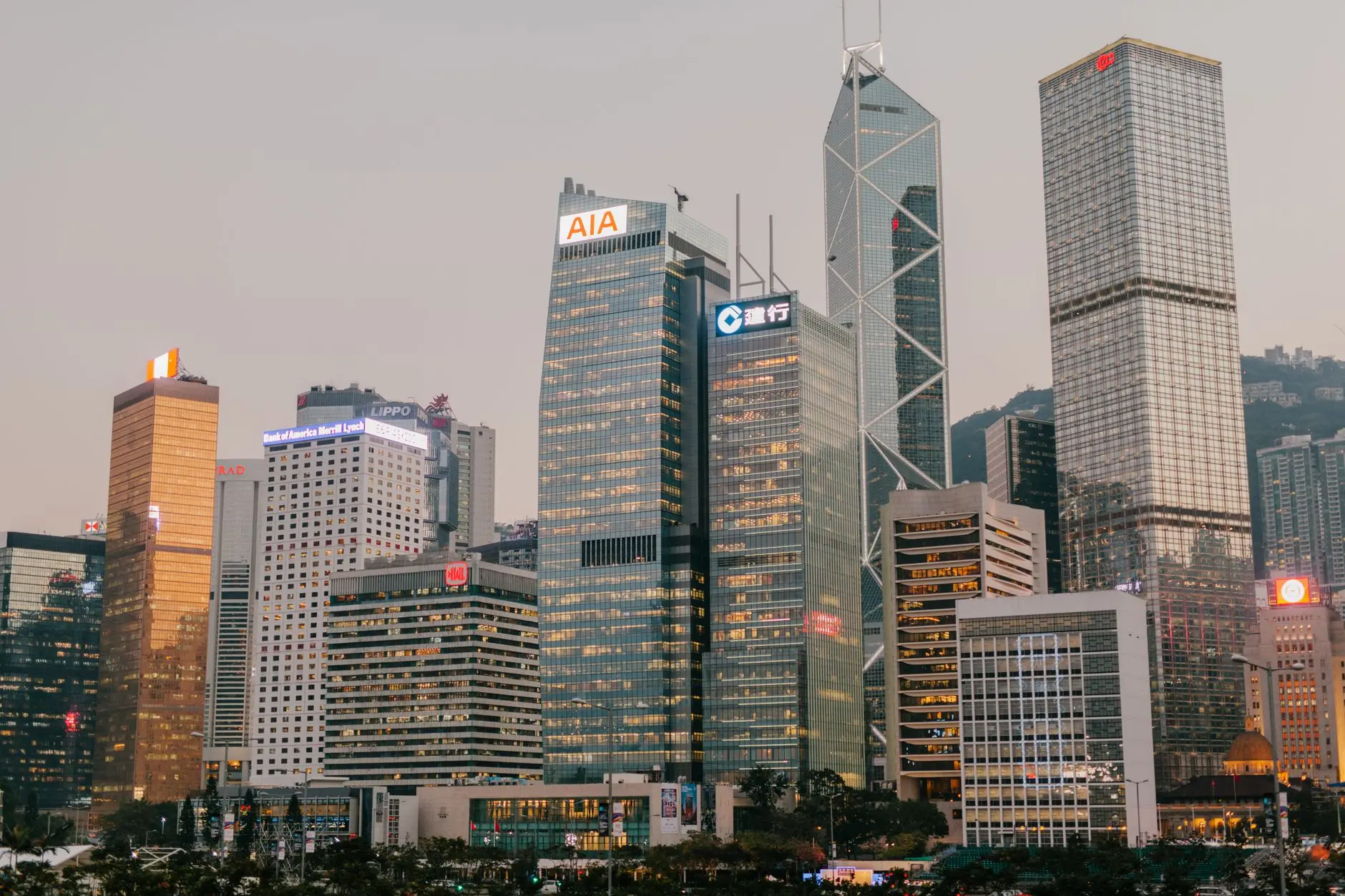
- AI-focused fundraising in Hong Kong surged to record levels in mid-2026 amid a global technology investment wave.
- Hong Kong’s financial infrastructure and regulatory environment are adapting to accommodate AI-driven capital flows.
- Despite geopolitical tensions and economic uncertainty, AI investment is catalyzing new market actors and deal structures.
- The evolving AI capital market landscape highlights a shift in Asia’s role within global technology financing networks.
How AI Investment Is Reshaping Hong Kong’s Capital Markets
What happened
Hong Kong experienced an unprecedented spike in capital raising linked to artificial intelligence ventures during the summer of 2026. According to market data and deal tracking, the city saw a record volume of AI-related fundraising rounds, spanning initial public offerings, private placements, and venture capital injections. This surge stands out against a backdrop of otherwise tepid market activity and broader regional economic headwinds. Key transactions involved firms specializing in AI software development, chip design, and data infrastructure, with participation from both domestic and international investors. Regulatory authorities in Hong Kong responded by streamlining procedures and clarifying listing rules for technology companies, facilitating smoother access to public markets.
Why it matters
This development signals a structural pivot in Hong Kong’s capital markets, traditionally dominated by financial services, real estate, and industrial conglomerates. The infusion of AI-driven capital challenges the city’s established investment paradigms and suggests a reorientation toward technology-intensive sectors. It also underscores Hong Kong’s strategic attempt to maintain its relevance amid competition from mainland Chinese hubs like Shenzhen and Shanghai, as well as global centers such as Silicon Valley and Singapore. Moreover, the ability to attract AI investment during an era marked by geopolitical fragmentation and supply chain disruptions reveals a nuanced interplay between innovation priorities and financial policy frameworks. The trend has implications for market participants, regulators, and policymakers aiming to balance growth aspirations with systemic risk management.
Industry context
Hong Kong’s capital markets have long served as gateways for Chinese enterprises seeking international financing, but AI investment introduces new dynamics. The technology sector, particularly AI, demands specialized expertise, flexible financing structures, and robust intellectual property protections. Hong Kong’s existing regulatory regime had to evolve to address these requirements, including adjustments to disclosure standards and investor protections tailored to AI firms’ unique risk profiles. Concurrently, global AI investment flows have intensified, driven by advances in machine learning, generative models, and semiconductor innovation. Hong Kong’s emergence as a fundraising hub reflects both its openness to international capital and its integration in Asia’s broader innovation ecosystem, where cross-border collaborations and competitive positioning are crucial.
Analysis
Several forces converge to explain the AI investment surge in Hong Kong. First, the city’s legal and financial infrastructure remains attractive for international capital amid increasing regulatory divergence elsewhere. Second, the Chinese government’s emphasis on technological self-reliance has prompted AI startups to seek listing venues that balance access to global capital with proximity to mainland markets. Third, Hong Kong’s institutions have proactively adapted listing rules to lower barriers for technology firms, including those in nascent AI subfields, thereby expanding the investor base. Nonetheless, this transformation poses trade-offs: increased exposure to volatile technology valuations and potential regulatory scrutiny could introduce market instability. The influx of new market actors—ranging from venture funds with specialized mandates to sovereign wealth investors—also reshapes competitive dynamics, potentially concentrating influence in a narrower set of players. The scaling of AI investments in Hong Kong thus reflects a complex recalibration of risk, opportunity, and regulatory oversight.
What to watch next
The trajectory of AI investment in Hong Kong will hinge on several developments. Regulatory responses to emerging risks, such as cybersecurity concerns and data governance, will influence investor confidence and market stability. The interplay between Hong Kong’s capital market policies and mainland China’s technology strategies will be critical, particularly as the Chinese government seeks to assert greater control over sensitive technologies. Market participants should observe the evolution of deal structures and investor profiles, which may signal deeper shifts in capital allocation patterns. Finally, the city’s ability to sustain its role as a regional AI financing hub will depend on balancing innovation facilitation with prudent oversight, especially amid intensifying global competition for AI leadership.
Ask AI about this story
Answers are based on this article and SN Media’s related coverage. AI can make mistakes.
Frequently asked questions
What caused the surge in AI-related fundraising in Hong Kong during mid-2026?
The surge was driven by a global wave of technology investment, with record volumes of AI-related fundraising rounds including IPOs, private placements, and venture capital injections involving firms in AI software, chip design, and data infrastructure.
How has Hong Kongu2019s regulatory environment adapted to support AI investment?
Regulatory authorities streamlined procedures and clarified listing rules for technology companies, adjusting disclosure standards and investor protections to better accommodate the unique risk profiles and financing needs of AI firms.
What are the potential risks associated with the rapid growth of AI investment in Hong Kongu2019s capital markets?
The transformation introduces risks such as increased exposure to volatile technology valuations, potential regulatory scrutiny, market instability, and concentration of influence among a narrower set of investors, including venture funds and sovereign wealth investors.
What factors will influence the future trajectory of AI investment in Hong Kong?
Key factors include regulatory responses to cybersecurity and data governance risks, the relationship between Hong Kongu2019s policies and mainland Chinau2019s technology strategies, evolving deal structures and investor profiles, and the cityu2019s ability to balance innovation with regulatory oversight amid global competition.
Continue the story
 LATEST
How AI Investment is Reshaping Corporate Credit Markets
LATEST
How AI Investment is Reshaping Corporate Credit Markets