






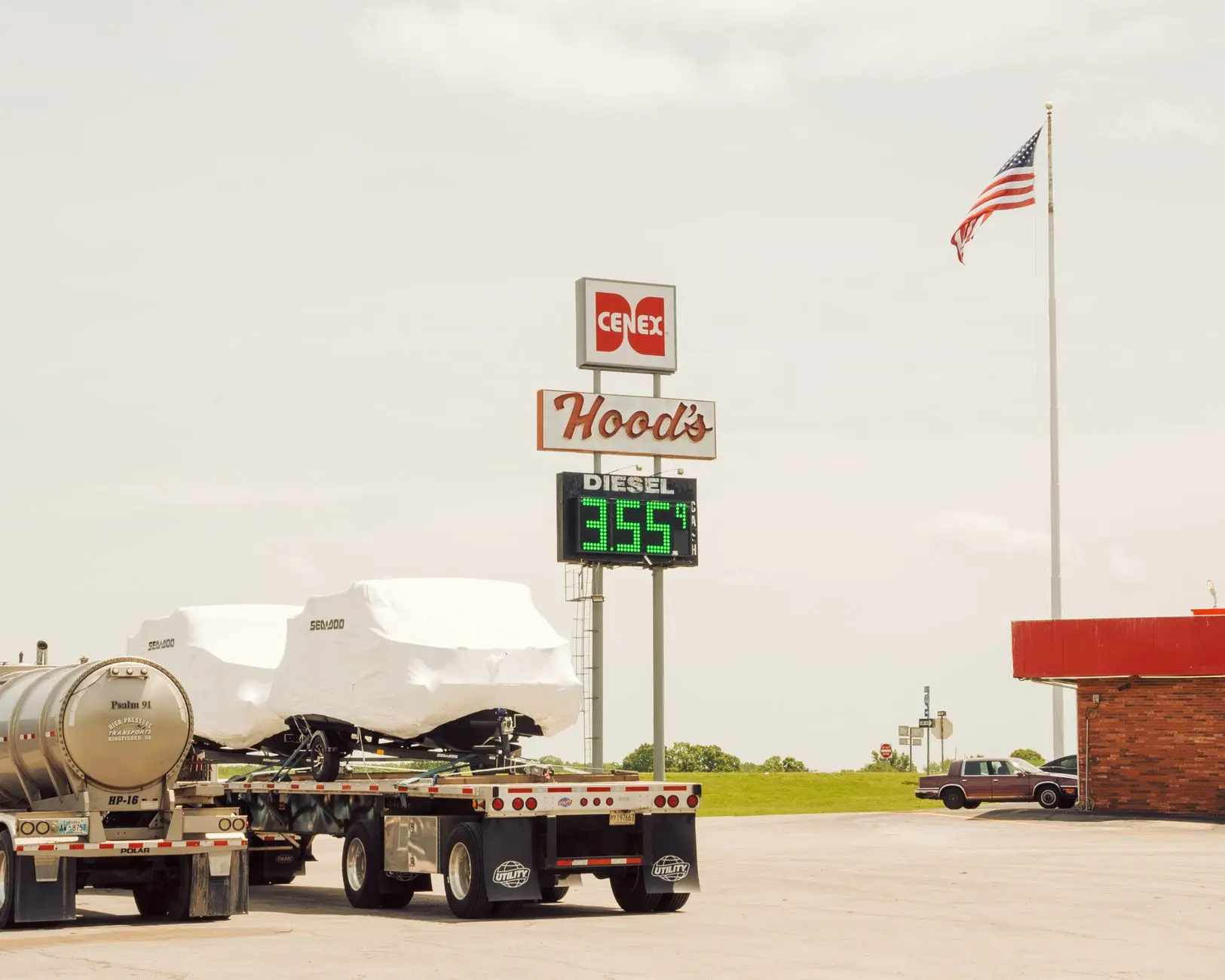
- Diesel price surges have increased operational costs across U.S. agricultural supply chains by 20-30%.
- Farm firms and crop traders are adjusting logistics and input sourcing to mitigate fuel-driven expenses.
- Rising diesel costs contribute to broader inflationary pressures on food prices and export competitiveness.
- Long-term shifts toward energy diversification and supply chain resilience are accelerating in response.
What Happened
Over the past year, diesel fuel prices in the United States have risen sharply, driven by a combination of global crude oil market volatility, tightening refining capacity, and geopolitical uncertainties. For agricultural producers and traders, whose operations rely heavily on diesel-powered machinery and transportation networks, this surge has translated into markedly higher input costs. According to industry reports, diesel price increases have pushed operational expenses for many U.S. farm firms and crop trading companies up by approximately 20 to 30 percent. The cost escalation has forced stakeholders to rethink supply chain configurations, contract terms, and risk management strategies amid an already challenging economic environment.
Why It Matters
The agricultural sector is uniquely sensitive to fuel price fluctuations due to its dependence on diesel for fieldwork, grain drying, and freight movement. Elevated diesel costs ripple through the entire supply chain, from planting and harvesting decisions to storage and export logistics. This dynamic not only tightens profit margins for farmers but also raises the cost basis for commodity traders and processors. In turn, higher operational costs risk being passed on to consumers through increased food prices. Moreover, as U.S. agricultural exports face stiff competition in global markets, elevated diesel prices undermine cost competitiveness, potentially affecting trade balances and rural economies reliant on agriculture.
Industry Context
Fuel costs have long been a significant input in agriculture, but the recent spike in diesel prices is notable for its magnitude and persistence. Historically, periods of elevated fuel prices have prompted incremental efficiency improvements and modest shifts in crop choices or planting schedules. However, the current context includes compounding factors such as supply chain disruptions post-pandemic, labor shortages, and rising fertilizer costs, which collectively intensify the operational strain. Additionally, U.S. agricultural supply chains are increasingly integrated with international logistics networks, amplifying the impact of diesel price volatility on export flows and contract structures. The sector is also navigating evolving regulatory frameworks related to emissions and energy use, which influence long-term investment decisions.
Analysis
The diesel price surge acts as a stress test on the flexibility and resilience of U.S. agricultural supply chains. Farm firms are deploying a range of adaptive measures. Some are optimizing field operations by consolidating tasks to reduce fuel consumption or investing in more fuel-efficient machinery. Others are renegotiating contracts with crop traders and logistics providers to share or hedge fuel cost risks more explicitly. On the trading side, companies are adjusting sourcing strategies, favoring supply routes and storage options that minimize fuel-intensive transportation. These adaptations, however, entail trade-offs. Efficiency gains often require upfront capital investments, which are difficult amid tight margins. Contractual adjustments can shift financial risk but may also reduce supply chain fluidity. The interplay of these factors shapes a complex landscape where cost pressures compete with the need for operational continuity and market responsiveness.
What to Watch Next
Monitoring diesel price trajectories remains critical for stakeholders in U.S. agriculture, as further volatility could prompt additional supply chain recalibrations. Attention will also focus on emerging investments in alternative energy sources, such as biofuels and electrification of farm equipment, which could mitigate diesel dependence over the medium term. Policy developments related to energy subsidies, infrastructure, and environmental regulations will influence the sector’s capacity to adapt. Furthermore, global market dynamics—including shifts in commodity demand, trade policies, and currency fluctuations—will interact with energy costs to shape the competitiveness and sustainability of U.S. agricultural supply chains. How effectively firms integrate these variables into strategic planning will determine their resilience in an increasingly complex operating environment.
Ask AI about this story
Answers are based on this article and SN Media’s related coverage. AI can make mistakes.
Frequently asked questions
How much have operational costs increased for U.S. farm firms and crop traders due to rising diesel prices?
Operational costs have increased by approximately 20 to 30 percent as a result of diesel price surges.
What strategies are agricultural firms using to cope with higher diesel fuel costs?
Farm firms are consolidating tasks, investing in fuel-efficient machinery, and renegotiating contracts to share or hedge fuel cost risks, while crop traders are adjusting sourcing and logistics to reduce fuel-intensive transportation.
What broader impacts do rising diesel prices have on the U.S. agricultural sector?
Higher diesel prices increase input costs across the supply chain, potentially raising food prices for consumers and undermining the cost competitiveness of U.S. agricultural exports in global markets.
What future developments could influence how U.S. agriculture adapts to diesel price volatility?
Investments in alternative energy sources, such as biofuels and electrification, policy changes regarding energy and environment, and global market dynamics will all affect the sector's ability to manage diesel dependence and maintain competitiveness.
Continue the story
 BACKGROUND · How we got here
How Rising EU Demand is Reshaping Global Corn Markets
- BACKGROUND · How we got here How Rising Oil Prices Are Reshaping AI-Driven Market Strategies
- BACKGROUND · How we got here Analyzing the Drivers Behind the Latest US Inflation Surge
- BACKGROUND · How we got here How Rising US Inflation is Reshaping Global Commodity Markets
- BACKGROUND · How we got here How Rising Oil Prices Are Reshaping Global Bond Markets Ahead of Fed Decisions