









- US annual inflation rose to 3.7% driven primarily by motor fuel price volatility.
- Supply chain disruptions and energy markets remain central to inflationary pressures.
- Monetary policy responses face challenges balancing inflation control with economic growth.
- Global commodity price fluctuations continue to influence domestic price levels in the US.
What happened
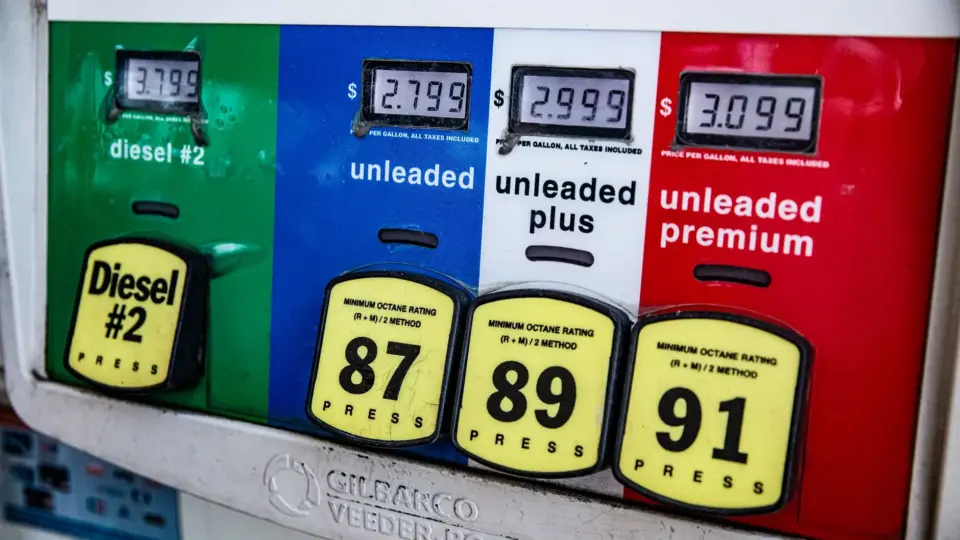
The United States experienced an uptick in annual inflation to 3.7%, marking a notable increase from previous months. This rise is largely attributed to sharp increases in motor fuel costs, which have experienced significant price swings in recent periods. The Consumer Price Index (CPI) data highlights that energy prices, especially gasoline, have been a key driver behind this inflationary surge. While other sectors also contributed, the volatility in fuel prices stands out as a principal factor behind the overall inflation increase.
Why it matters
Inflation at this level poses complex challenges for policymakers, businesses, and consumers alike. For the Federal Reserve, the persistence of fuel-driven inflation complicates efforts to calibrate interest rates without stifling economic growth. Consumers face reduced purchasing power, particularly for transportation and goods reliant on energy inputs, which can ripple through broader consumption patterns. Moreover, rising inflation expectations may become embedded in wage negotiations and price-setting behaviors, potentially entrenching inflationary pressures beyond the initial supply shocks.
Industry context
Energy markets have been under strain due to a combination of geopolitical tensions, post-pandemic demand surges, and ongoing supply chain bottlenecks. The global oil supply remains sensitive to production decisions by major producers and disruptions in key transit regions. These factors have contributed to price volatility that directly impacts motor fuel costs domestically. At the same time, supply chain inefficiencies continue to affect the availability and cost of goods, exerting upward pressure on prices in sectors beyond energy. The interplay between commodity markets and logistical constraints remains a defining characteristic of the current inflationary environment in the US.
Analysis
The inflation rise to 3.7% is not solely a product of demand-pull dynamics but is significantly influenced by cost-push factors, specifically in energy. Motor fuel prices reflect a complex web of influences, including OPEC+ production policies, shifting global demand patterns, and currency fluctuations. The ripple effect of these energy costs extends into transportation and production expenses across multiple industries, creating a feedback loop that sustains price increases. Additionally, supply chain disruptions—ranging from port congestion to labor shortages—have inhibited the smooth flow of goods, limiting supply responsiveness to rising demand. This confluence of global commodity price shocks and structural supply constraints has created an inflationary environment resistant to rapid correction through conventional monetary policy tools.
What to watch next
Monitoring the trajectory of energy prices will be critical in assessing future inflation trends. Any shifts in OPEC+ output decisions or geopolitical developments affecting oil supply could either exacerbate or alleviate price pressures. Simultaneously, improvements or further disruptions in supply chain logistics will shape the extent to which inflationary pressures permeate broader consumer goods markets. The Federal Reserve’s forthcoming policy adjustments will also be pivotal; their ability to manage inflation without triggering a recession will depend on the relative weight of transitory versus persistent inflation drivers. Close attention to wage growth and inflation expectations will provide additional insight into the potential for sustained inflation beyond the immediate fuel price effects.
Ask AI about this story
Answers are based on this article and SN Media’s related coverage. AI can make mistakes.
Frequently asked questions
What is the main factor driving the recent 3.7% inflation increase in the US?
The primary driver is the volatility and sharp increases in motor fuel prices, particularly gasoline, which have significantly influenced overall inflation.
How do supply chain issues contribute to the current inflationary pressures?
Supply chain disruptions, including port congestion and labor shortages, have limited the availability and increased the cost of goods beyond energy, adding upward pressure on prices across multiple sectors.
What challenges does the Federal Reserve face in responding to this inflation surge?
The Federal Reserve must balance controlling inflation, which is heavily influenced by fuel price volatility and supply constraints, with supporting economic growth, making monetary policy calibration difficult.
What factors should be monitored to understand future inflation trends in the US?
Key factors include changes in energy prices driven by OPEC+ decisions and geopolitical events, developments in supply chain logistics, Federal Reserve policy adjustments, and trends in wage growth and inflation expectations.
Continue the story
 BACKGROUND · How we got here
How Rising Oil Prices Are Reshaping Global Inflation Expectations
BACKGROUND · How we got here
How Rising Oil Prices Are Reshaping Global Inflation Expectations
- BACKGROUND · How we got here How Falling Oil Prices Are Reshaping US Stock Market Sentiment
- BACKGROUND · How we got here How Falling Oil Prices Are Reshaping Federal Reserve Interest Rate Expectations
- BACKGROUND · How we got here Global Fuel Supply Chains Under Strain: How Geopolitics Are Driving Diesel Prices Up
- BACKGROUND · How we got here The Fed’s Inflation Threshold: What One Bad Report Could Mean for Interest Rates