







- Freeport-McMoRan commits $4.5 billion to expand its Morenci copper mine in Arizona, aiming to boost output by roughly 40%.
- The project underscores U.S. efforts to secure critical mineral supply chains amid geopolitical tensions and rising global copper demand.
- This expansion tests the viability of large-scale mining investments under evolving environmental regulations and community scrutiny.
- The development signals a strategic pivot toward domestic resource independence in the face of China’s dominance in copper processing.
What happened
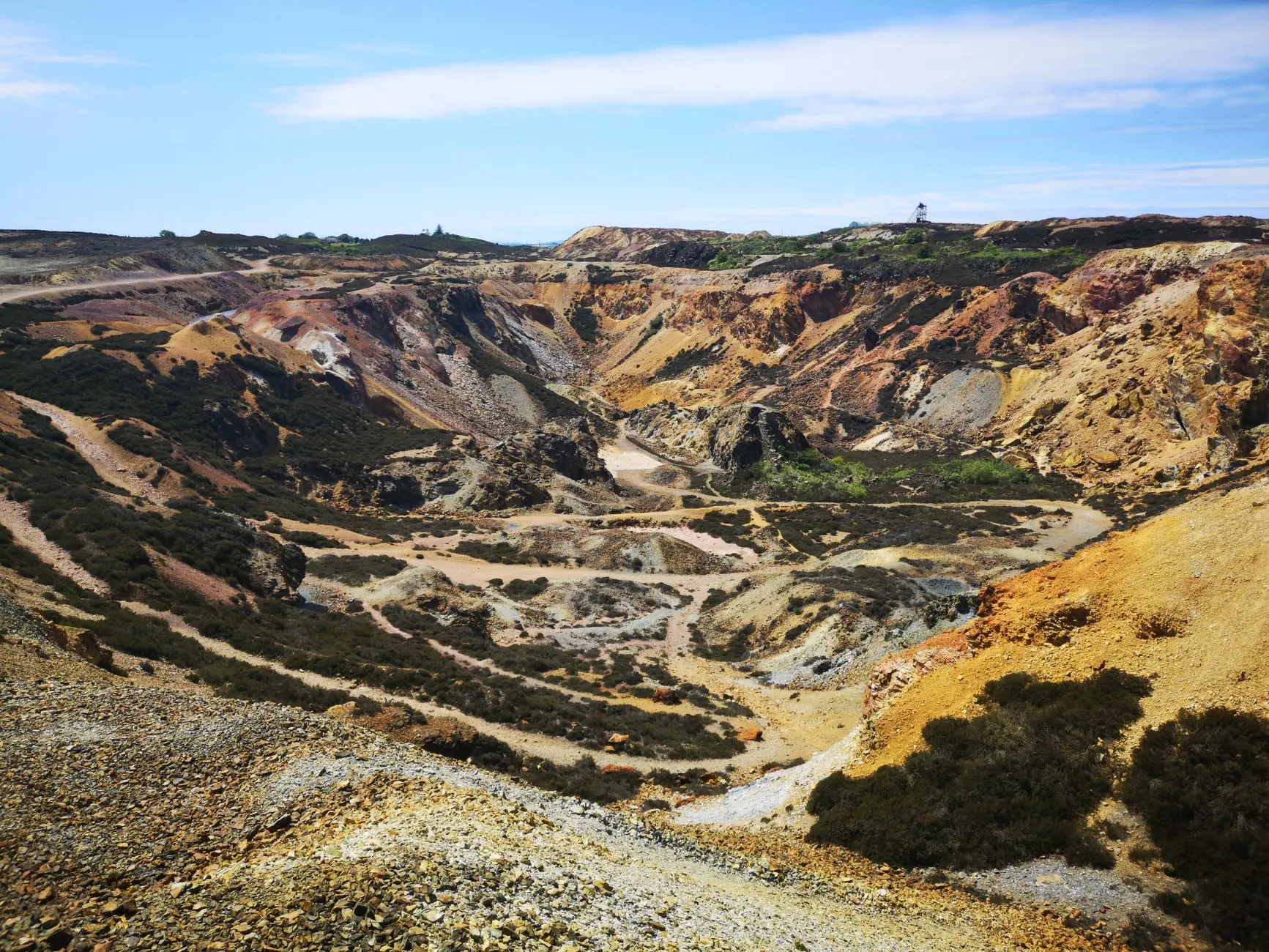
Freeport-McMoRan, one of the world’s largest copper producers, announced a $4.5 billion plan to expand its Morenci mine in Arizona, the largest copper operation in the United States. The expansion is expected to increase the mine’s annual copper output by approximately 40%, adding significant capacity to a facility that already contributes substantially to domestic copper production. This decision follows several years of feasibility studies and regulatory approvals, reflecting both market demand dynamics and strategic imperatives. The project includes upgrading existing infrastructure and extending the mine’s operational life well into the next decade.
Why it matters
Copper is a critical metal for modern economies, integral to electrification, renewable energy technologies, and electric vehicles. The Morenci expansion represents a decisive step toward shoring up U.S. supply chains for raw materials deemed essential for energy transition and national security. As geopolitical tensions—especially between the U.S. and China—intensify, reliance on foreign sources for copper and other strategic minerals has become a vulnerability. This investment not only aims to increase domestic output but also to reduce dependence on imports and mitigate supply disruptions. Additionally, it will create thousands of jobs and generate economic activity in a region historically tied to mining.
Industry context
The global copper market is experiencing heightened volatility driven by surging demand from clean energy sectors and constrained supply growth. While new copper discoveries are rare and capital-intensive to develop, companies face mounting pressure from environmental regulations and social license challenges. The U.S., with vast untapped mineral resources, has lagged behind countries like Chile and Peru in copper production. However, recent policy initiatives, including the Inflation Reduction Act and infrastructure bills, provide incentives for domestic mining and processing. Freeport’s Morenci expansion is among the largest in the Western Hemisphere and stands as a bellwether for the industry’s capacity to mobilize large-scale projects within a stringent regulatory environment.
Analysis
Freeport’s commitment to Morenci illustrates a complex balancing act between economic opportunity, environmental constraints, and geopolitical strategy. The project’s scale demands robust water management, emissions controls, and community engagement to navigate Arizona’s regulatory landscape and indigenous land considerations. From a market perspective, the increase in domestic copper supply could temper price volatility but also intensify competition among global producers. The expansion challenges assumptions that U.S. mining cannot compete internationally on cost or scale, especially when bolstered by government incentives and streamlined permitting processes. It also reflects a broader trend of resource nationalism, where countries prioritize securing critical minerals domestically to mitigate external risks.
What to watch next
The progression of Freeport’s Morenci expansion will be closely monitored for its ability to meet projected timelines and budget targets amidst fluctuating commodity prices. Regulatory approvals and community opposition remain potential hurdles, with environmental impact assessments and water rights disputes likely to shape the project’s trajectory. Additionally, the broader U.S. mining sector’s response to this initiative—whether through increased investment or policy advocacy—will indicate how seriously the industry is positioning itself in global supply chains. Finally, shifts in global copper demand, driven by advancements in battery technology and electrification policies, could recalibrate the strategic importance of this expansion in the coming years.
Ask AI about this story
Answers are based on this article and SN Media’s related coverage. AI can make mistakes.
Frequently asked questions
What is the expected increase in copper output from Freeport-McMoRanu2019s Morenci mine expansion?
The expansion is expected to boost the mineu2019s annual copper output by approximately 40%, significantly increasing its contribution to domestic copper production.
Why is the Morenci expansion strategically important for the U.S.?
The project aims to strengthen U.S. supply chains for critical minerals like copper, reducing dependence on imports amid geopolitical tensions, particularly with China, and supporting national security and energy transition goals.
What challenges could affect the progress of the Morenci expansion?
Potential hurdles include regulatory approvals, environmental impact assessments, water rights disputes, and community opposition, all of which could influence the projectu2019s timeline and budget.
How does the Morenci expansion relate to broader trends in the global copper industry?
The expansion reflects a trend toward resource nationalism and domestic mining investment in the U.S., responding to rising global copper demand, environmental regulations, and the need to compete internationally under evolving policy incentives.
Continue the story
 BACKGROUND · How we got here
How Federal Reserve Decisions Influence Copper Prices and Global Markets
- BACKGROUND · How we got here How Rising US Inflation is Reshaping Global Commodity Markets
- BACKGROUND · How we got here PLS Group’s $700 Million Bond Issuance Signals Growing Investor Appetite for Lithium Miners
- BACKGROUND · How we got here Appalachian Shale Production Decline Signals Shift in US Natural Gas Supply Dynamics
- BACKGROUND · How we got here Post-Inflation Surge: How US CPI Data Revived Metals Markets