








What happened
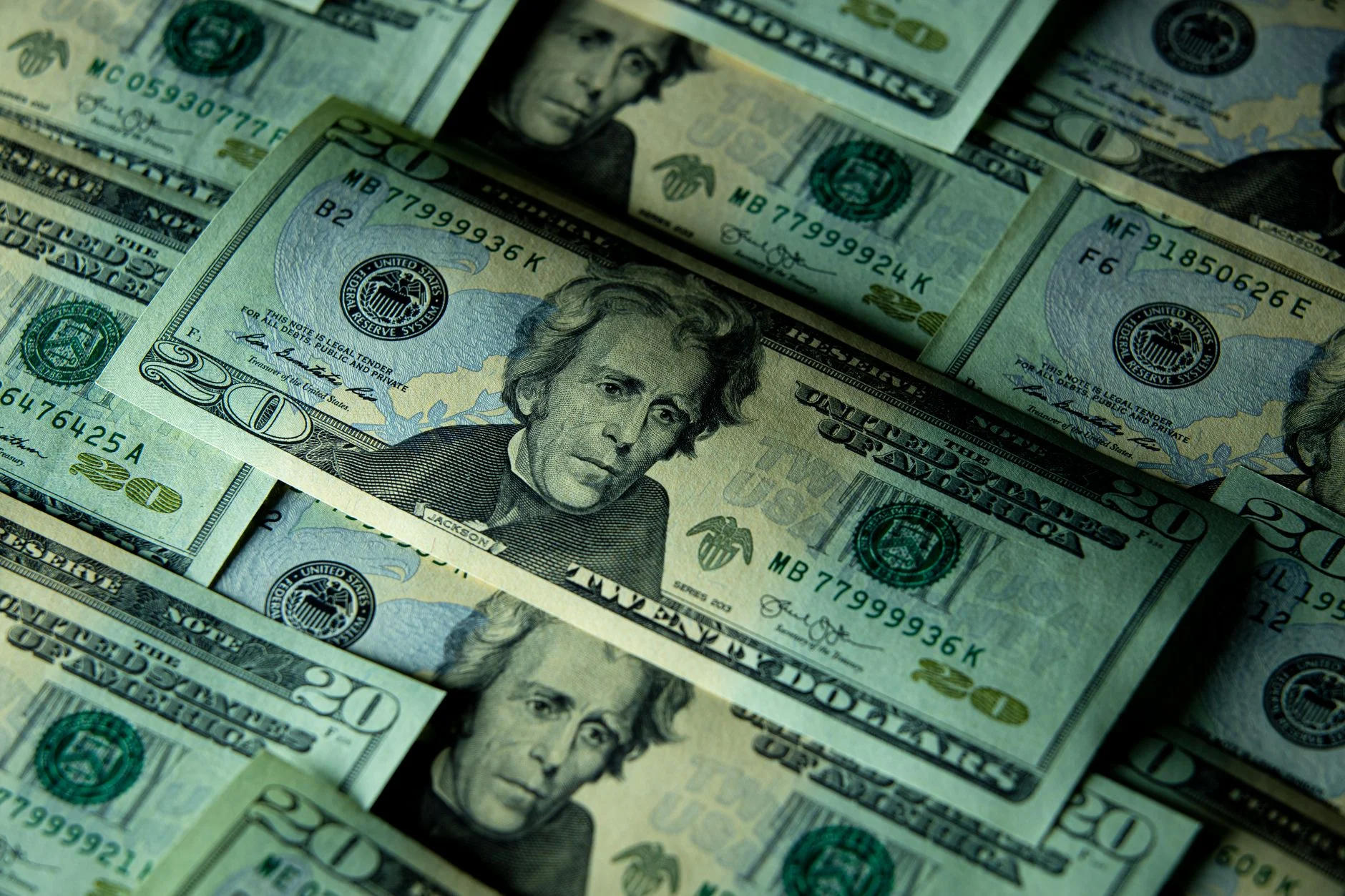
In recent weeks, the US dollar has experienced a noticeable decline against a basket of major currencies. This shift is largely attributed to softer expectations regarding Federal Reserve interest rate hikes, as investors recalibrate their outlook on US monetary policy amid evolving economic data. The diminished momentum in dollar strength has triggered a series of adjustments across global financial markets, with emerging economies particularly sensitive to these fluctuations.
Why it matters
A weaker dollar carries significant implications for emerging markets, many of which maintain substantial debt denominated in US dollars and rely heavily on export revenues priced in foreign currency. Currency depreciation and trade balances are directly influenced by dollar movements, affecting economic stability and growth prospects. Understanding these dynamics is crucial for policymakers, investors, and multinational corporations navigating the complexities of global finance in this environment.
Industry context
Emerging markets have traditionally been vulnerable to the strength of the US dollar, as a stronger dollar increases the cost of servicing dollar-denominated debt and can exacerbate capital outflows. Conversely, a softer dollar can ease debt burdens and improve trade competitiveness by making exports cheaper in dollar terms. However, this relationship is nuanced, as domestic fundamentals, geopolitical risks, and commodity price volatility also play significant roles in shaping market outcomes.
Analysis
The recent dollar depreciation offers a temporary reprieve for emerging market economies grappling with elevated borrowing costs and inflationary pressures. Lower dollar strength reduces the local currency equivalent of external debt, potentially alleviating balance sheet stress for sovereign and corporate borrowers alike. Moreover, improved export competitiveness could foster a more favorable trade balance, supporting economic recovery in nations heavily reliant on commodity exports.
Nonetheless, the benefits are not uniform. Countries with weaker institutional frameworks or limited foreign exchange reserves may continue to face volatility and capital flight, undermining investor confidence. Additionally, the durability of the dollar’s downward trend remains uncertain, as shifts in US monetary policy, geopolitical developments, or global risk sentiment could reverse recent gains. Emerging market policymakers must therefore balance short-term relief with long-term structural reforms to enhance resilience.
What to watch next
Market participants and analysts will closely monitor forthcoming Federal Reserve communications and US economic indicators for signals on the trajectory of interest rates. Equally important will be the fiscal and monetary responses of emerging market governments to evolving external conditions. Key indicators to watch include currency stability, capital flow patterns, and debt servicing metrics, which will collectively determine whether the current environment translates into sustained economic improvement or heightened vulnerabilities.
Ask AI about this story
Answers are based on this article and SN Media’s related coverage. AI can make mistakes.
Frequently asked questions
What caused the recent decline in the US dollar according to the article?
The decline in the US dollar is mainly due to softer expectations for Federal Reserve interest rate hikes as investors adjust their outlook based on evolving US economic data.
How does a weaker US dollar affect emerging market economies?
A weaker dollar can reduce the local currency cost of servicing dollar-denominated debt and improve export competitiveness by making exports cheaper in dollar terms, potentially easing balance sheet stress and supporting trade balances in emerging markets.
Are all emerging markets benefiting equally from the weaker dollar?
No, the benefits are uneven; countries with weaker institutions or limited foreign exchange reserves may still face volatility and capital flight, and the overall positive impact depends on domestic fundamentals, geopolitical risks, and commodity price volatility.
What factors will influence whether the weaker dollar trend continues and its impact on emerging markets?
The future trajectory depends on Federal Reserve communications, US economic indicators, geopolitical developments, global risk sentiment, and the fiscal and monetary responses of emerging market governments, with key metrics including currency stability, capital flows, and debt servicing.
Continue the story
 LATEST
Impact of US Economic Strength on Emerging Market Currencies
LATEST
Impact of US Economic Strength on Emerging Market Currencies
- LATEST How a Strong Dollar Shapes Federal Reserve Interest Rate Decisions
- LATEST How Soaring US Yields Are Reshaping Emerging Market Debt Portfolios
- LATEST How Weak US Jobs Data Is Reshaping Federal Reserve Policy Expectations
- LATEST Why Emerging-Market Carry Trades Remain Resilient Amid High Treasury Yields