








What happened
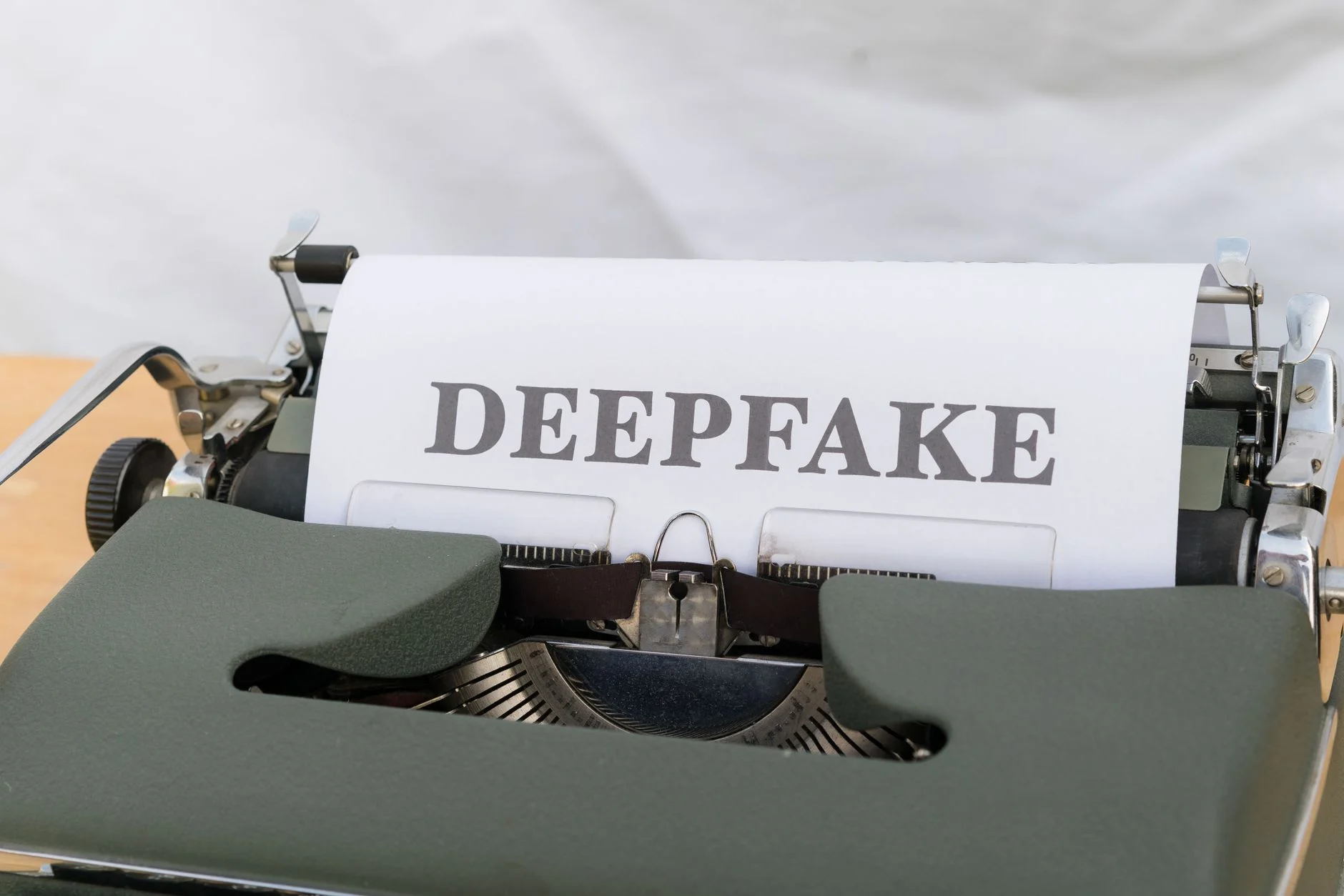
Deepfake technology, which employs sophisticated machine learning to create hyper-realistic but fabricated audio and video content, has become increasingly accessible and refined. This advancement has significant implications for journalism, a field traditionally grounded in factual accuracy and verification. As deepfakes proliferate, journalists grapple with the dual challenge of identifying and countering manipulated media while considering the ethical ramifications of using similar technologies in reporting.
Why it matters
The credibility of journalism hinges on trust and the accurate representation of reality. Deepfakes blur the line between fact and fiction, posing a threat to public trust in news media. Misuse of such technology can facilitate misinformation campaigns, political manipulation, and social discord. Conversely, the responsible use of deepfake technology could enhance storytelling or expose wrongdoing through novel means. Navigating these tensions is critical to preserving the integrity and societal role of journalism in an era of digital manipulation.
Industry context
Media organizations worldwide are confronting the rapid evolution of digital content creation and verification tools. The rise of deepfakes complements existing challenges such as doctored images, misleading edits, and synthetic text generation. Newsrooms have expanded fact-checking units and invested in technical expertise to authenticate multimedia. Additionally, regulatory discussions and industry codes of conduct increasingly address the use and detection of synthetic media. The convergence of technological innovation and ethical standards shapes a dynamic environment where journalistic norms are being redefined.
Analysis
The ethical dilemmas posed by deepfakes are multifaceted. On one hand, journalists must avoid inadvertently amplifying fabricated content, which requires rigorous verification processes and critical editorial judgment. On the other hand, deploying deepfake technology as a reporting tool—such as to anonymize sources or reconstruct events—raises questions about transparency and consent. The potential for deepfakes to erode public confidence demands that news organizations reinforce standards of disclosure and emphasize media literacy among audiences.
Technological countermeasures, including forensic analysis and blockchain-based provenance tracking, represent important but incomplete solutions. They must be integrated into broader editorial frameworks that prioritize accountability. Moreover, collaboration with technologists, ethicists, and policymakers is essential to establishing robust norms and safeguards. The balancing act involves fostering innovation without compromising the foundational principles of truthfulness and fairness.
What to watch next
Future developments will hinge on advances in both deepfake generation and detection technologies, as well as evolving ethical guidelines within journalism. Monitoring regulatory initiatives and international cooperation on synthetic media governance will be crucial. Additionally, the role of education in enhancing public discernment of manipulated content will influence how effectively societies mitigate deepfake-related risks. For journalism, the ongoing challenge will be integrating new tools responsibly while reaffirming its commitment to veracity and public service.
Ask AI about this story
Answers are based on this article and SN Media’s related coverage. AI can make mistakes.
Frequently asked questions
What ethical challenges do journalists face when using or combating deepfake technology?
Journalists must avoid amplifying fabricated content through rigorous verification while considering transparency and consent when using deepfakes as reporting tools, balancing innovation with truthfulness and fairness.
How are media organizations responding to the rise of deepfakes?
Newsrooms are expanding fact-checking units, investing in technical expertise for multimedia authentication, and engaging with regulatory discussions and industry codes of conduct to address synthetic media use and detection.
What technological solutions exist to detect deepfakes, and are they sufficient?
Technological countermeasures like forensic analysis and blockchain-based provenance tracking are important but incomplete, requiring integration into broader editorial frameworks that emphasize accountability.
What future developments will influence how journalism handles deepfakes?
Advances in deepfake generation and detection, evolving ethical guidelines, regulatory initiatives, international cooperation, and education to improve public discernment will shape journalism's approach to synthetic media.
Continue the story
 LATEST
How AI Investment Is Reshaping Hong Kong’s Capital Markets
LATEST
How AI Investment Is Reshaping Hong Kong’s Capital Markets
- LATEST The Ethical Implications of AI Bots Accessing Government Data Without Consent
- LATEST The High-Stakes AI Rivalry: Microsoft vs Anthropic and the Future of Safe AI Development
- LATEST How AI Investment is Reshaping Corporate Credit Markets
- LATEST OpenAI’s New Safety Disclosure System: Setting Industry Standards for AI Transparency