








What happened
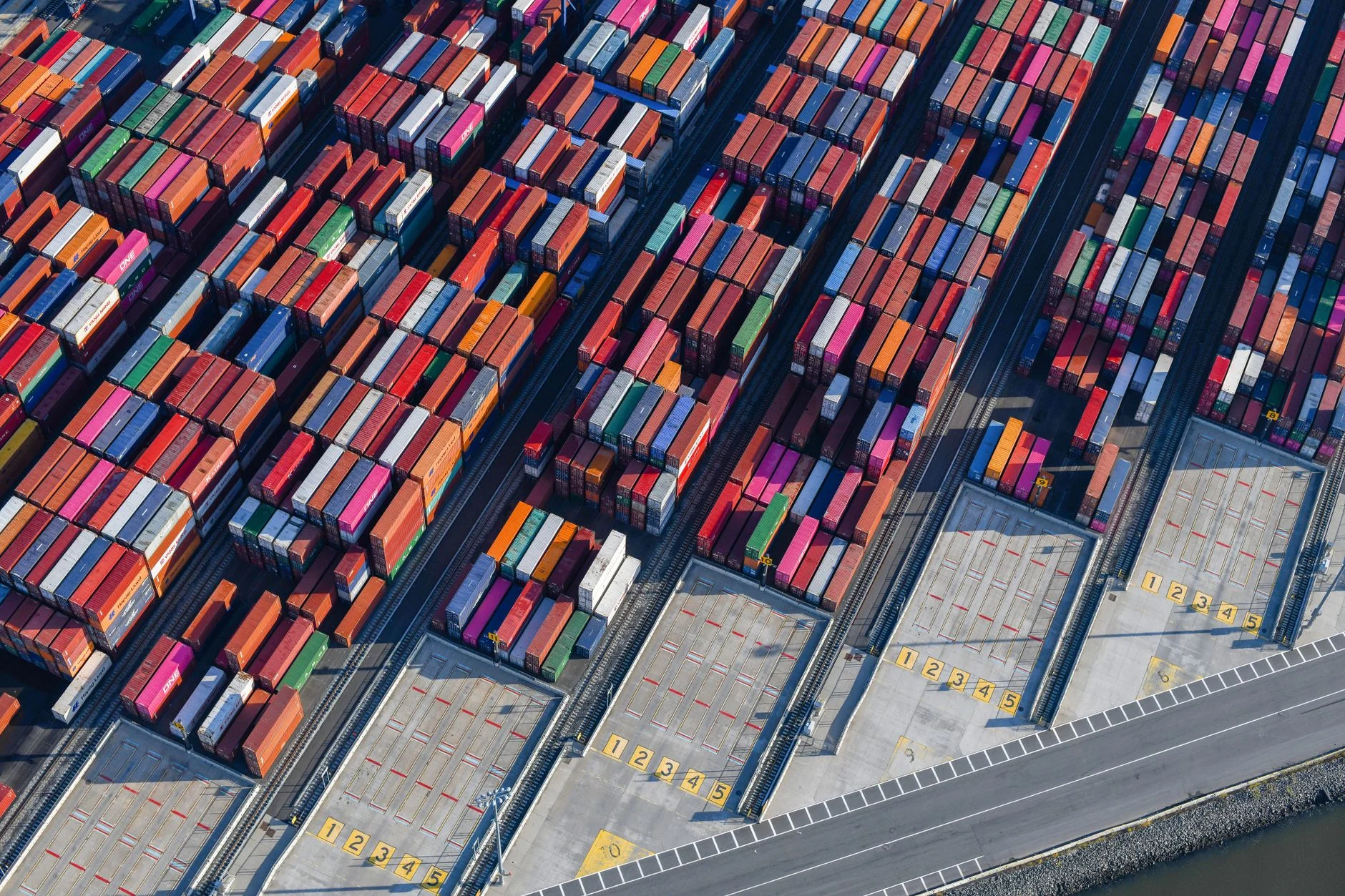
Persistent trade imbalances continue to characterize the economic interactions between major global economies. Despite numerous policy interventions and international negotiations, significant surpluses and deficits remain entrenched in the global trade system. These imbalances reflect deep-seated structural dynamics rather than transient cyclical factors. Understanding these underlying causes requires a comprehensive analysis of economic fundamentals, governance frameworks, and institutional configurations that shape cross-border trade flows.
Why it matters
Trade imbalances influence not only bilateral relations but also global economic stability. Large and sustained surpluses or deficits can exacerbate vulnerabilities in currency valuation, capital flows, and debt sustainability. They may contribute to protectionist pressures, disrupt supply chains, and generate geopolitical tensions. Moreover, imbalances often signal asymmetries in competitiveness, savings behavior, and economic policy frameworks, which directly impact growth trajectories and development prospects for involved countries.
Industry context
The international trade system is embedded within a complex web of economic policies, institutional arrangements, and global value chains. Key players in manufacturing, technology, agriculture, and services sectors operate under differing competitive conditions influenced by labor markets, innovation capacities, and regulatory environments. In addition, the role of multinational corporations and the increasing fragmentation of production complicate traditional trade accounting and challenge simplistic interpretations of surplus and deficit patterns.
Analysis
At its core, global trade imbalances arise from fundamental divergences in macroeconomic conditions and structural factors. Differences in savings and investment rates are critical: countries with high savings and lower domestic investment often run surpluses, while those with lower savings and higher investment needs tend to exhibit deficits. Exchange rate regimes and monetary policies further modulate these flows, influencing relative price competitiveness.
Institutional factors also play a pivotal role. Trade policies, including tariffs and non-tariff barriers, shape market access and the allocation of comparative advantage. Labor market rigidities, education systems, and technological adoption rates contribute to productivity differentials that underpin trade performance. Additionally, demographic trends affect domestic demand and labor supply, indirectly influencing trade balances.
Financial integration complicates the picture by enabling capital flows that can offset trade imbalances temporarily but may also create vulnerabilities. Persistent current account deficits financed by external borrowing can lead to debt accumulation and exposure to sudden stops in capital inflows, while surpluses may reflect underconsumption and export dependence, raising questions about long-term sustainability.
Geopolitical considerations intersect with economic factors, as trade relationships are embedded within broader strategic interests. Trade imbalances may reflect not only economic efficiency but also power asymmetries and geopolitical alignments that affect negotiation leverage and policy choices.
What to watch next
Going forward, attention should focus on how major economies adjust to evolving structural pressures. Key indicators include shifts in savings-investment balances driven by demographic changes, innovation cycles, and fiscal policies. Monitoring the evolution of exchange rate arrangements and monetary policy coordination will be critical in understanding their impact on trade flows.
Institutional reforms that address productivity gaps, labor market flexibility, and regulatory harmonization could alter competitive dynamics. The ability of countries to diversify their economic bases and reduce overreliance on specific sectors or trading partners will also shape future imbalance patterns.
Finally, the interplay between trade imbalances and geopolitical developments warrants close observation, as emerging alliances or conflicts may redefine global trade architectures. The challenge remains to foster a more balanced and resilient international trade system that mitigates risks associated with persistent imbalances while promoting inclusive growth.
Ask AI about this story
Answers are based on this article and SN Media’s related coverage. AI can make mistakes.
Frequently asked questions
What are the main causes of persistent global trade imbalances according to the article?
The article identifies fundamental divergences in macroeconomic conditions such as differences in savings and investment rates, exchange rate regimes, monetary policies, institutional factors like trade policies, labor market conditions, technological adoption, demographic trends, and financial integration as the main causes of persistent trade imbalances.
How do trade imbalances affect global economic stability and international relations?
Trade imbalances influence global economic stability by affecting currency valuations, capital flows, and debt sustainability, and they may lead to protectionist pressures, supply chain disruptions, and geopolitical tensions, reflecting asymmetries in competitiveness and economic policy frameworks.
What role do institutional and structural factors play in shaping trade imbalances?
Institutional factors such as tariffs, non-tariff barriers, labor market rigidities, education systems, and technological adoption rates contribute to productivity differences and comparative advantage, while demographic trends influence domestic demand and labor supply, all shaping trade performance and imbalances.
What future developments should be monitored to understand changes in global trade imbalances?
Key future indicators include changes in savings-investment balances driven by demographics and fiscal policies, exchange rate and monetary policy adjustments, institutional reforms addressing productivity and labor market flexibility, economic diversification efforts, and the evolving geopolitical landscape affecting trade relationships.
Continue the story
 LATEST
EU vs. US: A Comparative Analysis of Trade Strategies in the Battle with China
LATEST
EU vs. US: A Comparative Analysis of Trade Strategies in the Battle with China
- LATEST US-China Trade Talks in New York: Implications for Global Markets
- LATEST Global Fuel Supply Chains Under Strain: How Geopolitics Are Driving Diesel Prices Up
- LATEST The Historical Lessons of the 1973 Arab Oil Embargo for Today’s Energy Policies
- LATEST How Falling Oil Prices Are Reshaping Global Market Sentiment Amid European Debt Worries