








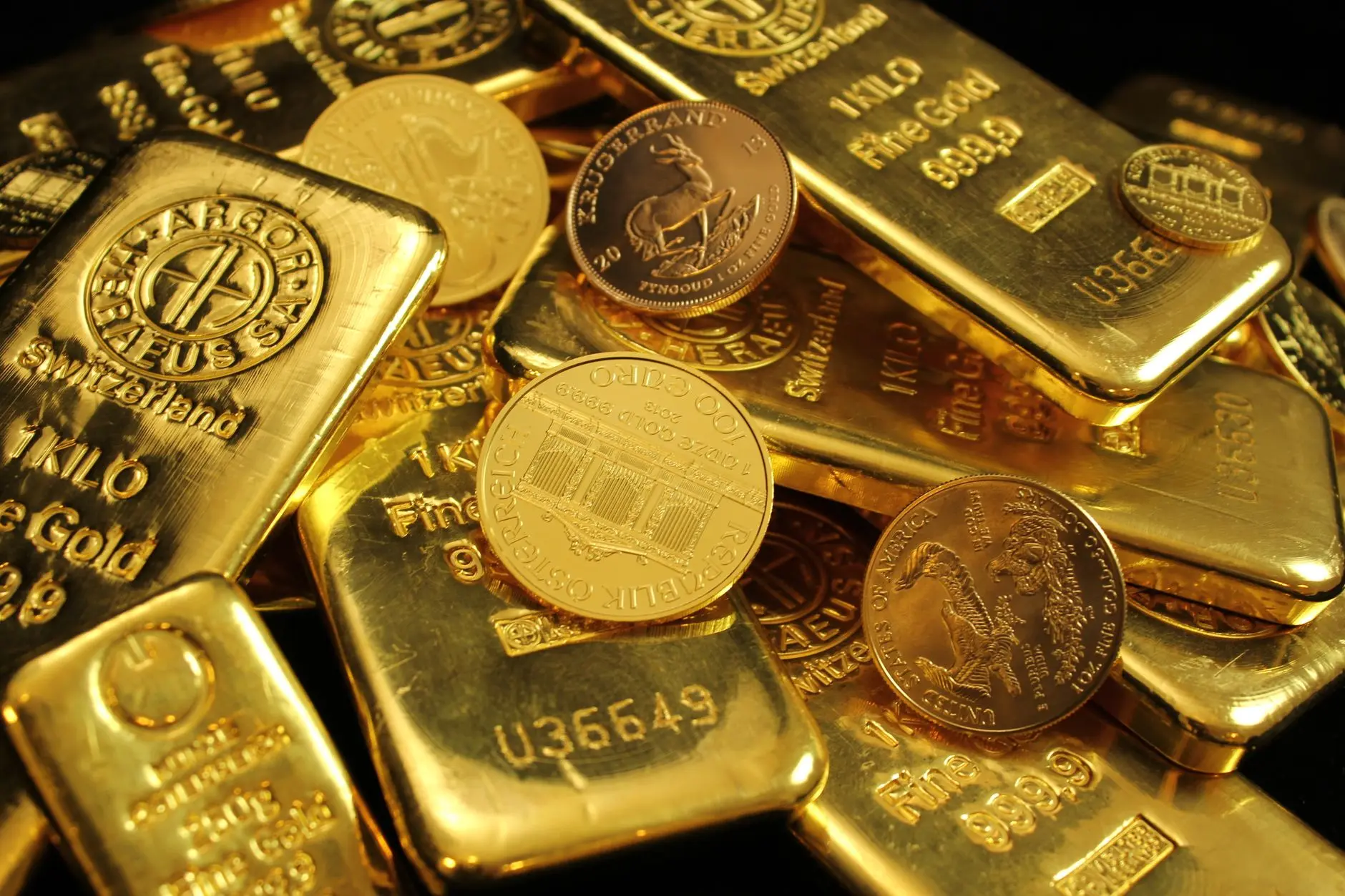
- Anticipation of Federal Reserve rate hikes is exerting downward pressure on gold prices.
- Inflation data remains a pivotal factor shaping investor expectations around monetary policy tightening.
- Gold’s traditional role as an inflation hedge is being recalibrated amid evolving real yield dynamics.
- Market volatility reflects the complex trade-off between safe-haven demand and opportunity cost of non-yielding assets.
What happened
Recent movements in gold prices reveal a subtle but clear response to updated signals from the Federal Reserve regarding its monetary policy trajectory. Following the release of U.S. inflation data, financial markets have increasingly priced in the likelihood of further interest rate hikes. This shift has prompted a modest decline in gold prices, which traditionally face downward pressure as real yields rise. The link between inflation indicators and market expectations of central bank tightening has thus reasserted itself as a key driver of precious metals pricing.
Why it matters
Gold occupies a unique position in global financial markets as both a store of value and a hedge against inflation and currency volatility. Changes in Federal Reserve policy impact gold prices directly through the cost of holding non-yielding bullion relative to interest-bearing assets. The current environment, marked by persistent inflation above target levels, forces investors to reassess portfolio allocations. Understanding the interplay between inflation data and rate hike prospects is critical for interpreting gold’s price fluctuations and for gauging broader market sentiment about risk and monetary stability.
Industry context
The Federal Reserve’s dual mandate—to promote maximum employment and maintain price stability—has faced renewed scrutiny amid recent inflationary pressures. As inflation readings remain elevated, the Fed’s commitment to tightening monetary policy to anchor price expectations becomes more pronounced. This dynamic places gold in a complex position: while inflation typically supports gold demand, rising nominal and real yields increase the opportunity cost of holding gold relative to bonds and cash. Additionally, geopolitical uncertainties and currency fluctuations continue to influence gold’s appeal as a safe haven, adding layers of complexity to its price formation.
Analysis
The current phase of market adjustment reflects a nuanced recalibration of investor risk appetite and expectations. The inflation data cited suggests that underlying price pressures have not abated sufficiently to dissuade the Fed from further rate increases. As the Fed hikes rates, real yields—nominal yields adjusted for inflation—tend to rise, eroding gold’s attractiveness since it does not generate income. However, the relationship is non-linear; if rate hikes succeed in tempering inflation without triggering recession, gold’s inflation-hedge appeal diminishes. Conversely, if tightening leads to economic uncertainty or financial instability, gold’s safe-haven status may reassert upward pressure on prices. This tension manifests in the recent price patterns, underscoring the metal’s sensitivity to both macroeconomic fundamentals and market sentiment.
What to watch next
Investor focus will remain sharply attuned to forthcoming inflation reports, Federal Reserve communications, and economic indicators such as employment data and GDP growth. Any deviation from expected inflation trends could rapidly alter rate hike probabilities and, by extension, gold prices. Additionally, developments in fiscal policy and global geopolitical risks may influence safe-haven demand. Market participants should monitor shifts in real yields and currency movements alongside these factors, as their interplay will continue to shape gold’s trajectory in the near term. The evolving narrative will be defined by how effectively monetary policy balances inflation containment with economic growth, and how these outcomes reflect in asset allocation decisions across international markets.
Ask AI about this story
Answers are based on this article and SN Media’s related coverage. AI can make mistakes.
Frequently asked questions
How are anticipated Federal Reserve rate hikes affecting gold prices?
Anticipation of Federal Reserve rate hikes is putting downward pressure on gold prices because rising real yields increase the opportunity cost of holding non-yielding gold relative to interest-bearing assets.
What role does inflation data play in shaping gold price movements?
Inflation data is pivotal in shaping investor expectations about monetary policy tightening; persistent inflation above target levels supports expectations of further rate hikes, which in turn influence gold prices.
Why is gold's traditional role as an inflation hedge being reconsidered?
Goldu2019s role as an inflation hedge is being recalibrated because rising nominal and real yields increase the cost of holding gold, and if rate hikes successfully temper inflation without causing recession, goldu2019s inflation-hedge appeal may diminish.
What factors should investors watch to understand future gold price trends?
Investors should monitor upcoming inflation reports, Federal Reserve communications, economic indicators like employment and GDP growth, fiscal policy developments, geopolitical risks, real yields, and currency movements, as these will collectively influence goldu2019s price trajectory.
Continue the story
 BACKGROUND · How we got here
Gold Market Dynamics: How Federal Reserve Rate Hike Bets Influence Investor Behavior