








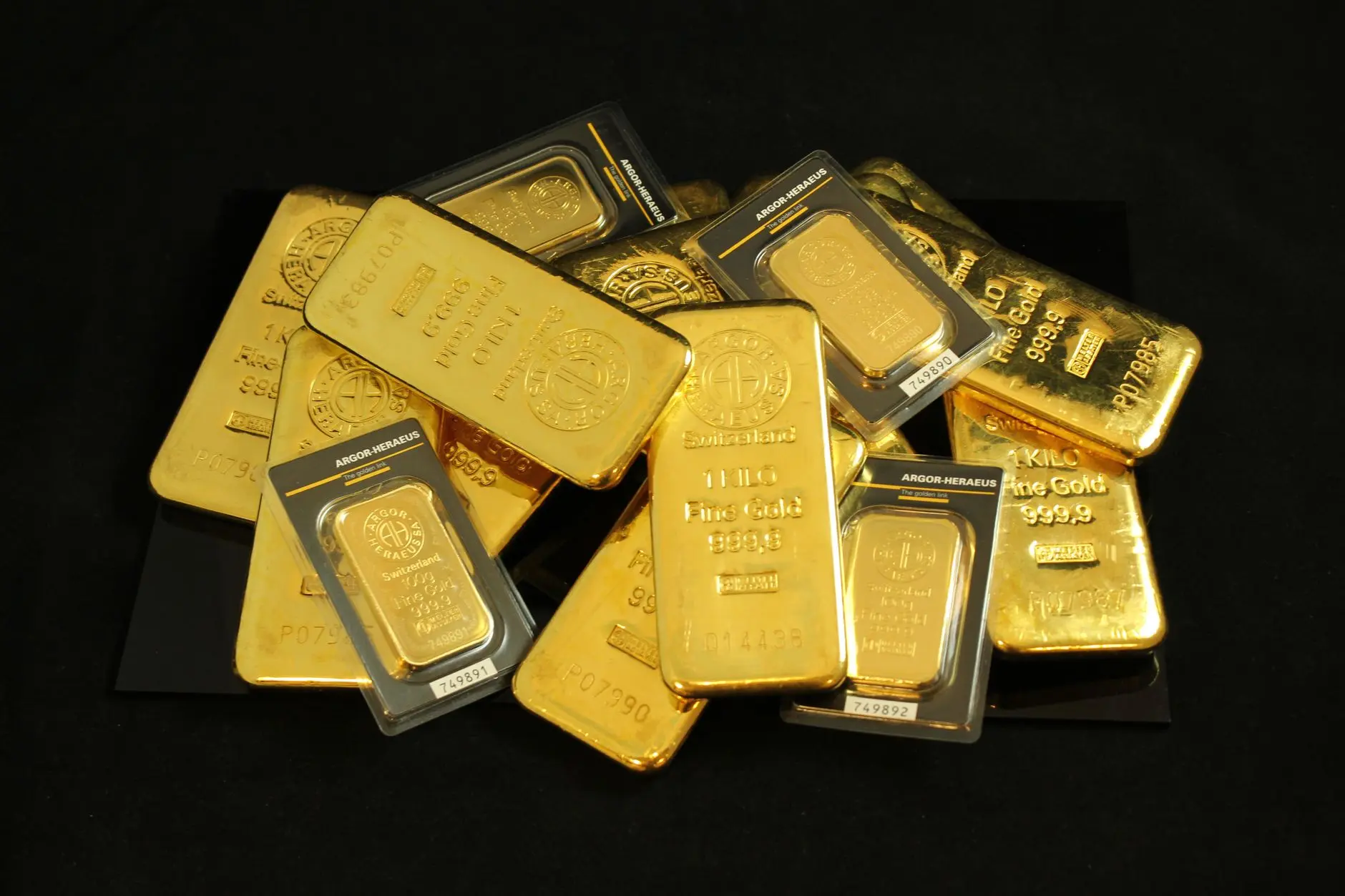
- Gold prices are highly sensitive to shifts in market expectations of Federal Reserve interest rate policies.
- Recent volatility in gold stems from recalibrations of near-term rate hike probabilities by traders.
- Investor strategies increasingly reflect a balancing act between hedging inflation risks and responding to real interest rate movements.
- The interplay between monetary policy signals and geopolitical uncertainties continues to complicate gold’s role as a safe-haven asset.
What happened
Gold prices experienced a notable rebound following a substantial weekly decline, a movement directly tied to changing market expectations about the Federal Reserve’s near-term interest rate trajectory. After a period where traders aggressively priced in additional rate hikes, recent data and Fed communications have led to a downward adjustment in those expectations. This shift has prompted investors to pare back their bets on aggressive tightening, resulting in renewed demand for gold. The metal’s volatility over this period underscores its sensitivity to evolving narratives around U.S. monetary policy.
Why it matters
Gold’s price dynamics serve as a barometer for broader financial market sentiment regarding inflation, real interest rates, and economic growth prospects. Because gold does not yield interest, its appeal often wanes when real yields rise, making rate hike expectations critical. The recent rebound highlights how quickly investor behavior can pivot in response to subtle changes in Fed signaling. Understanding these dynamics offers insight into how monetary policy uncertainty translates into tangible asset price movements, influencing portfolio allocation strategies globally.
Industry context
The relationship between gold and interest rates is grounded in fundamental economic principles: higher nominal and real rates increase the opportunity cost of holding non-yielding assets like gold. Historically, periods of anticipated monetary tightening have pressured gold prices downward, while dovish stances or rate cuts tend to bolster them. However, this relationship is nuanced by factors such as inflation expectations, currency movements, and geopolitical risks. In recent years, gold’s role as an inflation hedge has coexisted with its function as a safe haven, creating complex trading patterns within a landscape shaped by unprecedented central bank interventions and global economic uncertainties.
Analysis
The recent recalibration in Fed rate hike bets reflects a broader reassessment of economic data streams and Federal Reserve communications. Inflation indicators showing signs of moderation, combined with concerns over economic growth, have led traders to temper their expectations for aggressive tightening. This adjustment reduces the upward pressure on real yields, improving gold’s relative attractiveness. Furthermore, the nuanced signaling from Fed officials—balancing the need to control inflation against the risk of recession—has generated a more cautious investor stance. This environment fosters episodic gold rallies amid bouts of uncertainty, even as the overall trajectory of rates remains upward. The interplay of these forces reveals the challenge for investors who must weigh short-term tactical moves against longer-term strategic allocations, particularly as central banks navigate unprecedented economic conditions.
What to watch next
Market participants will closely monitor upcoming Federal Reserve meetings and the tone of policy statements, especially any changes in guidance around the terminal rate or the pace of hikes. Inflation data releases and employment reports will also be pivotal in shaping expectations. Additionally, geopolitical developments and global economic indicators, such as China’s growth trajectory and energy market fluctuations, will influence gold’s safe-haven demand. Investors should anticipate continued volatility in gold prices as these variables evolve, with the metal’s performance serving as an ongoing reflection of the complex trade-offs faced by policymakers and markets alike.
Ask AI about this story
Answers are based on this article and SN Media’s related coverage. AI can make mistakes.
Frequently asked questions
Why did gold prices rebound after a significant weekly drop?
Gold prices rebounded due to a downward adjustment in market expectations for near-term Federal Reserve interest rate hikes, which reduced upward pressure on real yields and renewed demand for gold.
How do Federal Reserve interest rate expectations influence gold prices?
Higher expected nominal and real interest rates increase the opportunity cost of holding gold, a non-yielding asset, typically pressuring prices downward, while expectations of rate cuts or dovish policy tend to support gold prices.
What factors complicate goldu2019s role as a safe-haven asset according to the article?
Goldu2019s role is complicated by the interplay of monetary policy signals, inflation expectations, currency movements, geopolitical risks, and the dual function of gold as both an inflation hedge and a safe haven amid unprecedented central bank interventions.
What should investors watch for to understand future gold price movements?
Investors should monitor upcoming Federal Reserve meetings and policy statements, inflation and employment data, geopolitical developments, and global economic indicators like Chinau2019s growth and energy market fluctuations, all of which influence goldu2019s demand and price volatility.
Continue the story
 LATEST
Federal Reserve Rate Hike Prospects and Their Impact on Gold Prices