








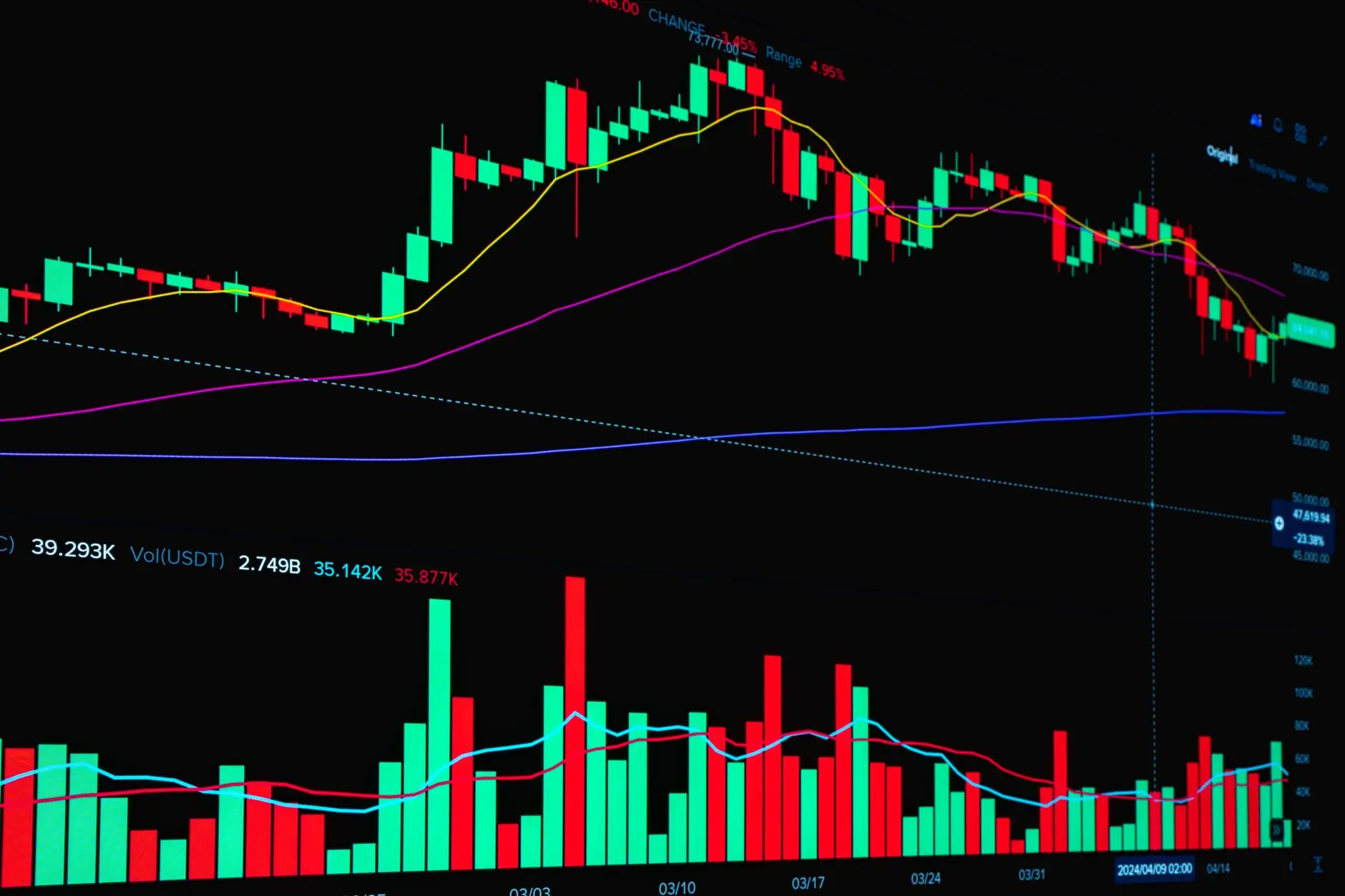
- The Federal Reserve’s hawkish monetary policy has exerted persistent downward pressure on gold prices.
- Rising interest rates strengthen the US dollar, diminishing gold’s appeal as a non-yielding asset.
- Investor behavior is shifting toward yield-bearing instruments amid tightening financial conditions.
- Gold’s price dynamics reveal broader tensions between inflation control and safe-haven demand.
What happened
Since mid-2026, the Federal Reserve has maintained a resolutely hawkish stance, signaling continued interest rate hikes to combat entrenched inflation. This monetary tightening has coincided with gold prices hovering near their lowest levels in over a year. The correlation between the Fed’s policy direction and gold’s subdued performance is apparent: as benchmark rates rise, the opportunity cost of holding gold—a non-yielding asset—increases. Concurrently, the US dollar has strengthened, further pressuring gold prices downward. Market participants are recalibrating portfolios, favoring assets that offer yield or currency stability over traditional safe havens like gold.
Why it matters
Gold’s role as a hedge against inflation and currency volatility has been a cornerstone of global financial markets for decades. The current environment, defined by aggressive rate tightening, challenges that conventional wisdom. The Fed’s policies are reshaping the calculus for investors, central banks, and traders who rely on gold as a store of value in turbulent times. A sustained weakening of gold prices amid persistent inflationary pressures would imply significant shifts in market expectations about the effectiveness and duration of monetary tightening. Moreover, it signals broader implications for portfolio diversification strategies and the geopolitical calculus surrounding gold reserves.
Industry context
Historically, gold prices tend to rise during periods of loose monetary policy and inflation concerns, supported by a weaker dollar and low real interest rates. The post-pandemic era initially saw gold rally as central banks flooded markets with liquidity. However, as inflation surged and the Fed pivoted toward tightening, gold’s momentum faltered. The current phase is characterized by a complex interaction: while inflation remains above target, the Fed prioritizes curbing price rises through aggressive rate hikes. This dynamic contrasts with prior cycles where gold gained as real rates fell or remained negative. Additionally, the stronger dollar, bolstered by safe-haven flows and interest rate differentials, further suppresses gold’s dollar-denominated price.
Analysis
The interplay between interest rates and gold prices hinges on the opportunity cost of holding a non-yielding asset. Rising nominal and real yields incentivize investors to shift capital toward bonds and other fixed-income instruments, which offer predictable returns. This reduces gold’s attractiveness despite ongoing inflationary pressures. The dollar’s strength compounds this effect by making gold more expensive in other currencies, curtailing demand internationally. However, this relationship is not linear or immutable. Should inflation expectations become unmoored or geopolitical risks escalate, gold could regain appeal as a liquidity refuge. For now, the market appears to price in confidence that the Fed’s tightening will eventually tame inflation without triggering a full economic downturn—conditions unfavorable for gold rallies.
What to watch next
Key indicators to monitor include the trajectory of US inflation data relative to Fed projections, and the central bank’s communication on the pace and scale of future rate hikes. Changes in real interest rates—adjusted for inflation expectations—will be particularly telling for gold’s outlook. Additionally, shifts in dollar strength driven by geopolitical events or global risk sentiment could introduce volatility in gold markets. Market participants should also observe central bank gold purchases and sales, as these maneuvers often reflect strategic positioning amid shifting monetary landscapes. Ultimately, gold’s path will reveal much about the balance between monetary restraint and inflation resilience in the coming quarters.
Ask AI about this story
Answers are based on this article and SN Media’s related coverage. AI can make mistakes.
Frequently asked questions
How has the Federal Reserve's hawkish policy affected gold prices since mid-2026?
The Fed's hawkish stance, including continued interest rate hikes, has put persistent downward pressure on gold prices, which have hovered near their lowest levels in over a year due to higher opportunity costs and a stronger US dollar.
Why does a stronger US dollar reduce gold's appeal according to the article?
A stronger US dollar makes gold more expensive in other currencies, which curtails international demand and compounds the downward pressure on gold prices.
What factors could potentially reverse the current trend of subdued gold prices?
Gold could regain appeal if inflation expectations become unanchored or if geopolitical risks escalate, increasing demand for gold as a liquidity refuge; however, the market currently prices in confidence that Fed tightening will control inflation without causing a recession.
What indicators should investors watch to understand future gold price movements?
Investors should monitor US inflation data relative to Fed projections, the pace and scale of future rate hikes, changes in real interest rates, dollar strength influenced by geopolitical events, and central bank gold purchases or sales.
Continue the story
 LATEST
Gold Market Dynamics: How Federal Reserve Rate Hike Bets Influence Investor Behavior