








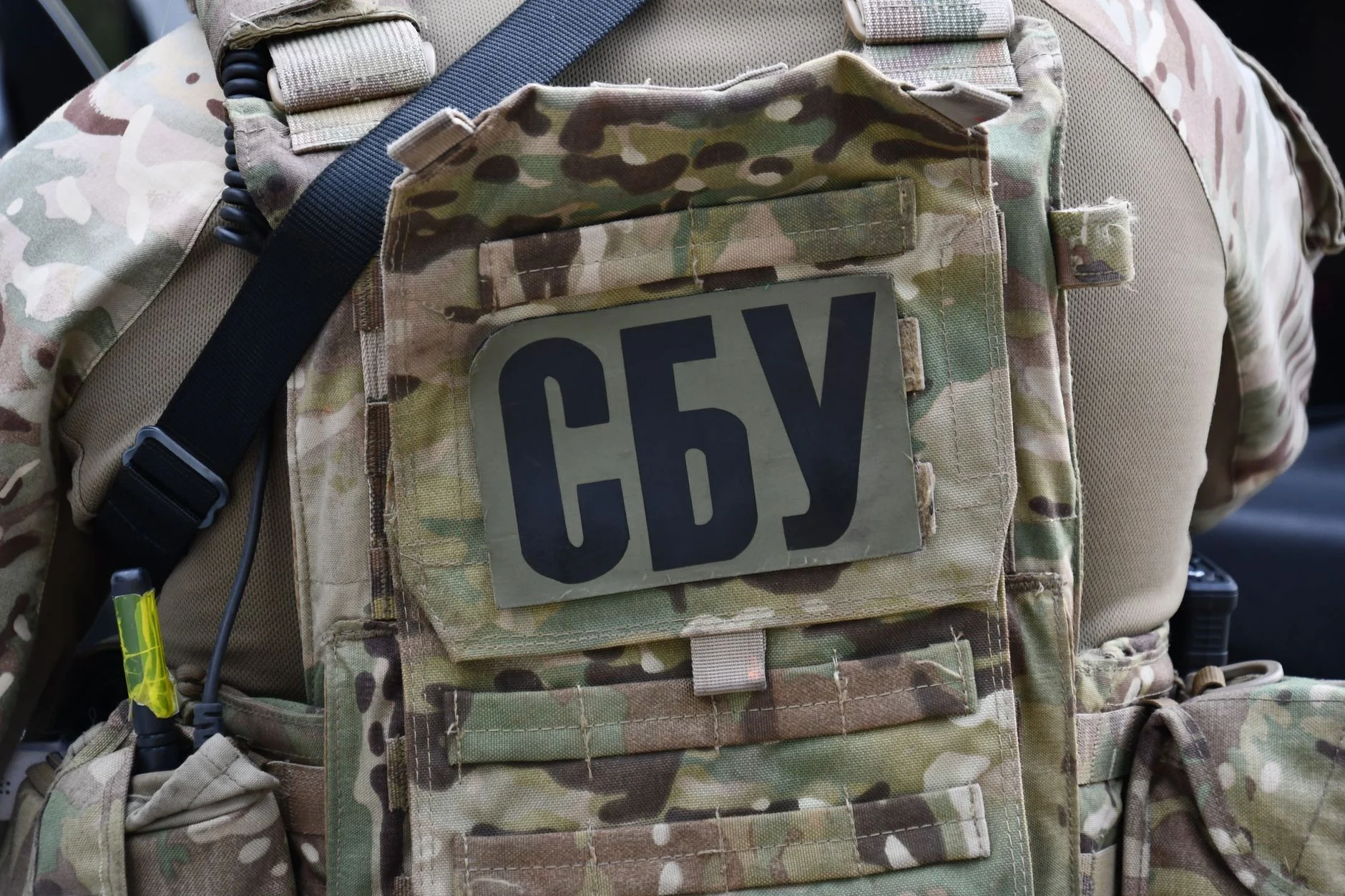
- Leonardo SpA has launched a new operational unit in Kyiv to tap into Ukraine’s growing defense-technology ecosystem.
- The move reflects a strategic shift towards on-the-ground innovation partnerships and potential acquisitions in a geopolitically sensitive market.
- Ukraine’s military-technology sector presents unique capabilities shaped by ongoing conflict and Western support, offering distinct value to global defense players.
- Leonardo’s expansion underscores the broader trend of defense companies embedding themselves in conflict-adjacent innovation hubs to accelerate capability development.
What happened
Leonardo SpA, the Italian multinational aerospace, defense, and security company, has formally established a new business unit based in Kyiv, Ukraine. Announced in early September 2026, this initiative positions Leonardo as one of the first major Western defense contractors to embed operational presence within Ukraine’s borders. According to company statements and reporting, the Kyiv unit will serve as a center for scouting, integrating, and potentially acquiring local startups and scale-ups specialized in military technologies. The unit is also expected to foster direct collaboration with Ukrainian defense entities and innovation clusters, signaling a long-term commitment to the region despite ongoing geopolitical uncertainties.
Why it matters
Leonardo’s move signals a significant recalibration in how Western defense firms engage with conflict-affected innovation ecosystems. Ukraine has evolved from a battleground into a crucible of military-technical innovation, driven by intense operational requirements and the infusion of Western aid and expertise. By situating a unit within Kyiv, Leonardo gains proximal access to cutting-edge capabilities in areas such as drone technologies, electronic warfare, and cyber defense—domains where Ukraine has demonstrated rapid advancement. This local presence enhances Leonardo’s ability to integrate new technologies faster and adapt to evolving battlefield demands, while potentially influencing the trajectory of Ukraine’s defense sector through capital, expertise, and market access.
Industry context
The defense industry has historically been cautious about direct involvement in conflict zones, often relying on remote partnerships or acquisitions in stable markets. However, the protracted conflict in Ukraine and the substantial Western military support have created a unique innovation environment. Startups and research centers have accelerated the development of asymmetric warfare technologies, with significant spillover potential for NATO and allied defense systems. Leonardo’s strategy reflects a broader industry trend toward embedding innovation scouting closer to sources of operational insight and technological agility. Other European and American defense contractors have increased their collaborative ties with Ukrainian entities, but Leonardo’s establishment of a physical unit represents a more assertive strategic posture.
Analysis
Leonardo’s Kyiv unit can be understood as a multifaceted strategic investment combining real-time intelligence gathering, technology scouting, and acquisition readiness. The company confronts several trade-offs: operating within a volatile security environment entails risks of disruption and reputational challenge, yet offers unmatched immediacy in technology validation under combat conditions. The decision also positions Leonardo to influence Ukraine’s defense industrial base amid increasing international competition for influence and access. Furthermore, the integration of Ukrainian innovations into Leonardo’s broader product portfolio could accelerate the company’s responsiveness to emerging warfare domains, especially in electronic and unmanned systems. This approach aligns with a growing recognition that traditional defense procurement timelines are insufficient for the pace of contemporary military technology evolution.
What to watch next
Key indicators will include the types of partnerships and acquisitions Leonardo pursues through its Kyiv unit and how rapidly these translate into deployed capabilities or joint ventures. Observers should monitor the unit’s role in facilitating technology transfers between Ukraine and NATO partners, as well as any shifts in regulatory or diplomatic parameters affecting foreign defense investment in Ukraine. Additionally, the approach taken by competing defense firms toward similar embedded presences or strategic partnerships will provide insight into the broader industry recalibration. Finally, evolving security conditions on the ground, including the impact of conflict dynamics on operational continuity, will be critical in assessing the sustainability and influence of Leonardo’s Kyiv expansion.
Ask AI about this story
Answers are based on this article and SN Media’s related coverage. AI can make mistakes.
Frequently asked questions
What is the purpose of Leonardo SpAu2019s new unit in Kyiv?
The Kyiv unit is intended to scout, integrate, and potentially acquire Ukrainian startups and scale-ups specializing in military technologies, while fostering collaboration with local defense entities and innovation clusters.
Why is Leonardo establishing a physical presence in Ukraine despite the ongoing conflict?
Leonardo aims to gain proximate access to Ukraineu2019s rapidly advancing military-technology sector, enabling faster integration of new capabilities and adaptation to battlefield needs, despite the risks posed by the volatile security environment.
How does Leonardou2019s move reflect broader trends in the defense industry?
Leonardou2019s establishment of an operational unit in a conflict-adjacent innovation hub exemplifies a shift toward embedding innovation scouting closer to sources of operational insight and technological agility, a trend also seen in increased collaborations by other Western defense firms with Ukrainian entities.
What factors will determine the success of Leonardou2019s Kyiv unit going forward?
Success will depend on the types and speed of partnerships and acquisitions, the unitu2019s role in technology transfers between Ukraine and NATO, regulatory or diplomatic changes affecting foreign defense investment, competitor responses, and the impact of evolving security conditions on operational continuity.
Continue the story
 LATEST
Kruk’s Strategic Pivot: From European Stronghold to Anglo-American Markets
LATEST
Kruk’s Strategic Pivot: From European Stronghold to Anglo-American Markets
- LATEST UK’s New Space Defense Unit: A Game Changer in Satellite Security
- LATEST Pentagon’s AI Procurement Policies Under Scrutiny After Anthropic Blacklisting
- LATEST The Growing Influence of Russian-Aligned Lobbyists in Washington
- LATEST Shifting Sands: How US Reluctance to Engage Houthis Impacts Saudi Arabia’s Defense Strategy