








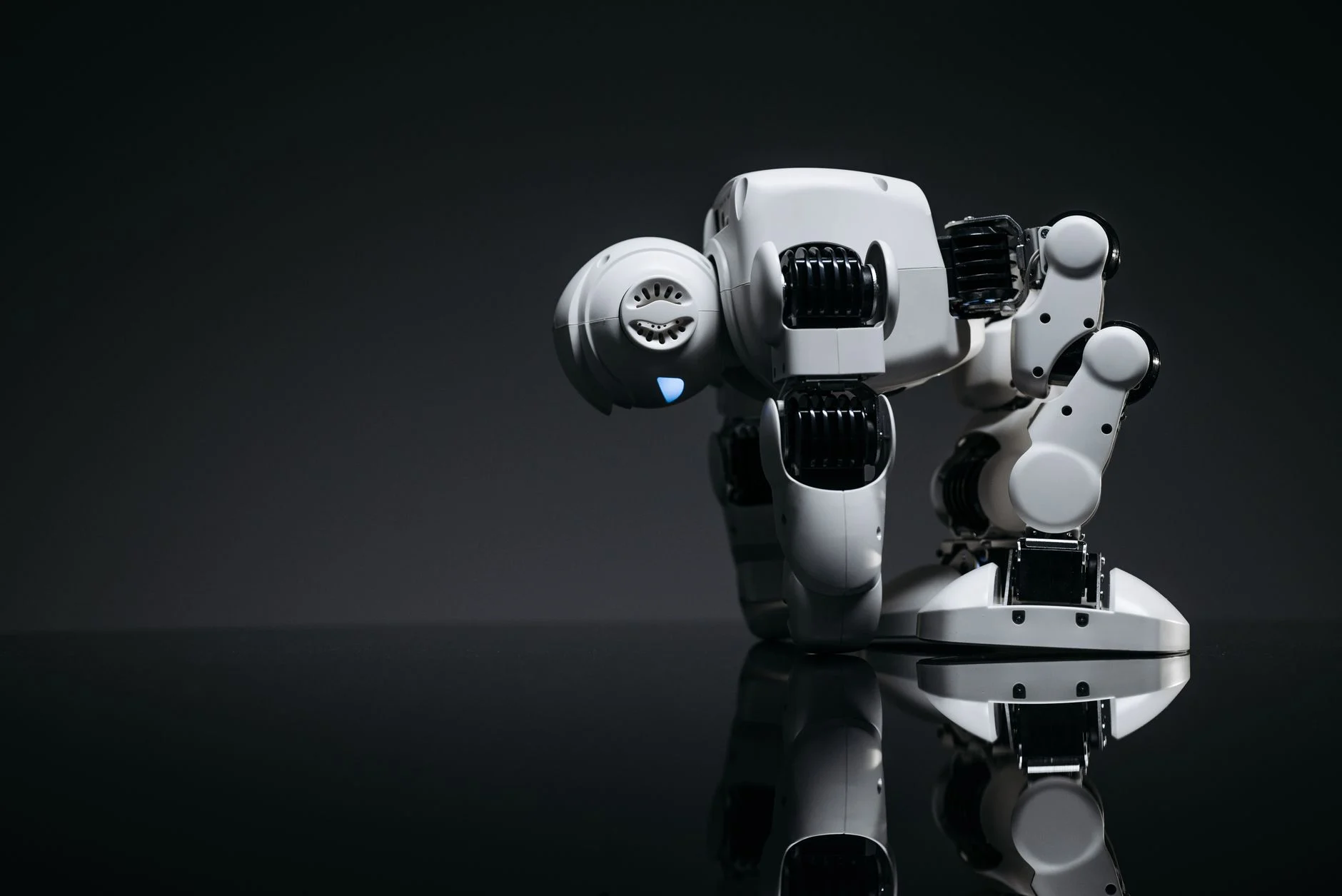
- Robotic equestrian systems integrate advanced biomechanics and AI to replicate horse-rider dynamics.
- These innovations extend beyond entertainment, influencing sectors such as rehabilitation and defense.
- Challenges remain in achieving seamless interaction between robotic mounts and human operators.
- Development reflects broader trends in robotics emphasizing adaptive mobility and human-machine synergy.
The Rise of Robotic Equestrianism: A New Frontier in Robotics Innovation
What happened
Recent demonstrations of robotic horses paired with robotic riders have showcased a significant leap in the integration of mechanical design and artificial intelligence. These systems mimic the complex biomechanics of horse locomotion and rider balance, achieving coordinated movement that was previously unattainable in robotic applications. The technology combines actuators, sensors, and AI algorithms to simulate real-time adjustments in gait, posture, and responsiveness, creating an unprecedented approximation of equestrian dynamics in a fully robotic context.
Why it matters
This development marks a pivotal moment in the evolution of robotics, where machines are no longer confined to predictable, linear tasks but begin to engage with environments and human operators in nuanced, fluid ways. The implications extend beyond novelty or entertainment; robotic equestrianism offers potential solutions for physical rehabilitation, allowing patients to engage in controlled, adaptive movement therapy. In defense and security, such systems could provide terrain-adaptive transport that surpasses wheeled or tracked vehicles. The capacity for robotic mounts to respond dynamically to human input and environmental stimuli challenges existing paradigms about machine autonomy and human-machine collaboration.
Industry context
Robotic mobility has traditionally focused on either replicating human locomotion or optimizing wheeled or tracked movement for stability and speed. Legged robotics, especially quadrupeds, have advanced significantly with companies like Boston Dynamics pushing the envelope on dynamic balance and terrain negotiation. However, the integration of a robotic rider represents a novel complexity, demanding synchronization between two autonomous systems with distinct but interdependent control mechanisms. This convergence aligns with broader industry trends prioritizing adaptive mobility platforms capable of operating in unstructured environments, as well as increased emphasis on human-robot interaction fidelity for enhanced operational safety and effectiveness.
Analysis
The technical challenge at the core of robotic equestrianism lies in mastering the interplay between the robotic horse’s locomotion and the rider’s balance and input. Unlike static robotic platforms, both units must continuously adjust to maintain equilibrium and optimize performance. This requires sophisticated sensor fusion, control algorithms, and machine learning models that interpret and predict forces and trajectories in real time. Moreover, the system must accommodate the unpredictability of external conditions such as uneven terrain, variable loads, and rider commands. Success in this domain demonstrates progress toward robotics that can emulate biological systems’ adaptability—a critical step for applications demanding agility and resilience. However, the complexity of such systems also highlights the trade-offs between mechanical complexity, energy consumption, and reliability, which remain pivotal considerations for commercial viability.
What to watch next
Future developments in robotic equestrianism will likely focus on refining human-machine interface technologies, enhancing autonomous decision-making capabilities, and reducing the energy footprint of these systems. Integration with wearable sensors and brain-computer interfaces could further deepen the responsiveness and intuitiveness of rider control. Additionally, observing how regulatory frameworks adapt to the deployment of robotic mounts in public and operational environments will be crucial, particularly concerning safety and liability. Cross-sector collaborations, especially between robotics firms, medical researchers, and defense agencies, will shape the trajectory of this technology, determining whether it remains a niche innovation or becomes a transformative tool in mobility and human augmentation.
Ask AI about this story
Answers are based on this article and SN Media’s related coverage. AI can make mistakes.
Frequently asked questions
What are robotic equestrian systems designed to replicate?
Robotic equestrian systems are designed to replicate the complex biomechanics of horse locomotion and rider balance, using actuators, sensors, and AI algorithms to simulate real-time adjustments in gait, posture, and responsiveness.
Beyond entertainment, what potential applications do robotic horses have?
Robotic horses have potential applications in physical rehabilitation for adaptive movement therapy and in defense and security as terrain-adaptive transport that could outperform wheeled or tracked vehicles.
What are the main technical challenges in developing robotic equestrian systems?
The main challenges include achieving seamless interaction and synchronization between the robotic horse and rider, requiring sophisticated sensor fusion, control algorithms, and machine learning to maintain balance, interpret forces, and adapt to unpredictable external conditions.
What future developments are anticipated for robotic equestrian technology?
Future developments are expected to focus on improving human-machine interfaces, enhancing autonomous decision-making, reducing energy consumption, integrating wearable sensors and brain-computer interfaces, and addressing regulatory and safety issues for public deployment.
Continue the story
 LATEST
The Rise of AI in China: Implications for Consumer Market Investors
LATEST
The Rise of AI in China: Implications for Consumer Market Investors
- LATEST The Impact of Economic Pressures on US Automakers: Ford’s Share Volatility Explained
- LATEST How AI Investments Are Driving the S&P 500 to New Heights
- LATEST How AI Investment Is Reshaping Hong Kong’s Capital Markets
- LATEST The High-Stakes AI Rivalry: Microsoft vs Anthropic and the Future of Safe AI Development