








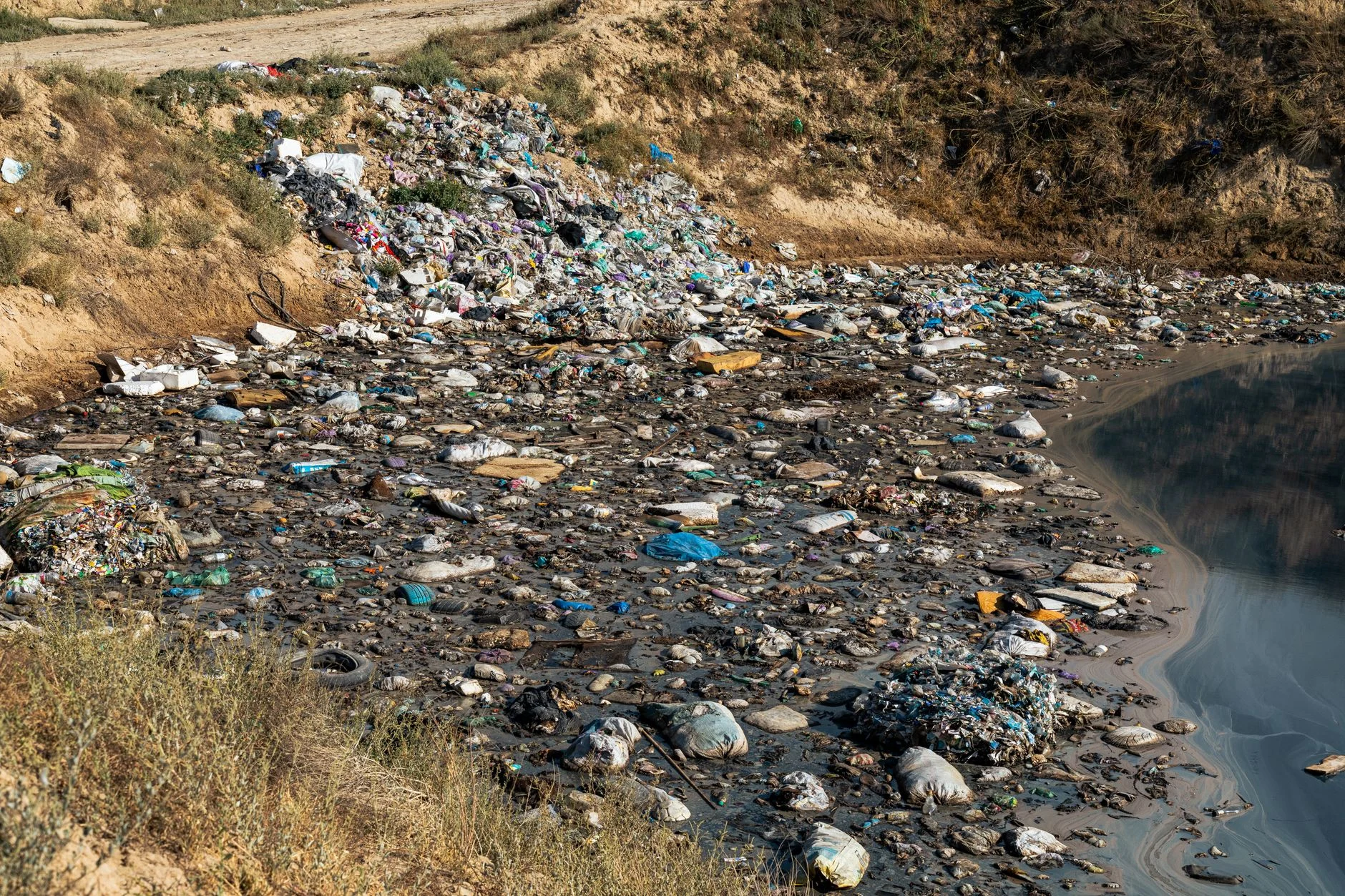
What Happened
Toxic chemicals, including persistent organic pollutants (POPs), heavy metals, and synthetic compounds, continue to accumulate in ecosystems around the globe. These substances enter the environment through industrial discharges, agricultural runoff, and atmospheric deposition, embedding themselves in soil, water, and living organisms. Over decades, their persistence and the process of bioaccumulation—where chemicals concentrate in organisms higher up the food chain—have led to significant disruptions in biodiversity, ecosystem functionality, and environmental health.
Why It Matters
The bioaccumulation of toxic chemicals poses a systemic threat to global ecological stability and human well-being. As these substances magnify through trophic levels, they impair reproductive success, alter predator-prey dynamics, and reduce resilience to environmental stressors. The implications extend beyond isolated contamination sites, influencing fisheries, agriculture, and ultimately food security. Understanding the mechanisms and consequences of bioaccumulation is critical for shaping policies aimed at mitigating long-term ecological damage and safeguarding human health.
Industry Context
Industries such as manufacturing, mining, agriculture, and chemical production are central nodes in the cycle of environmental contamination. Despite advances in waste management and regulatory frameworks, legacy pollutants remain entrenched in many ecosystems. Global trade and industrial expansion have facilitated the wide geographic dispersal of contaminants, complicating remediation efforts. Furthermore, evolving chemical formulations and emerging contaminants present ongoing challenges to monitoring and risk assessment.
Analysis
Bioaccumulation is a complex process influenced by chemical properties, ecological interactions, and environmental conditions. Persistent chemicals resist degradation, allowing them to concentrate in organisms over time. For example, lipophilic substances accumulate in fatty tissues, where they can remain for years. This persistence leads to biomagnification, where top predators—including humans—experience the highest exposure levels.
Ecologically, these chemicals disrupt endocrine systems, impair immune function, and increase mortality rates in sensitive species. The cascading effects can alter food web structures and reduce ecosystem services such as pollination and water purification. Importantly, bioaccumulation does not occur uniformly; it varies by region, species, and contaminant type, necessitating context-specific risk evaluations.
From a governance perspective, international treaties and national regulations have aimed to limit the release and spread of hazardous substances. However, enforcement inconsistencies, technological gaps in detection, and economic pressures hinder comprehensive control. Additionally, climate change interacts with chemical dynamics, modifying distribution patterns and ecological vulnerabilities.
What to Watch Next
Future attention must focus on improving monitoring technologies that can detect low-level contaminants across diverse environments and species. Enhanced modelling of bioaccumulation pathways will aid in predicting long-term ecological impacts and identifying priority intervention areas. The development of safer chemical alternatives and green industrial practices will be essential in reducing ongoing contamination.
International cooperation will remain critical, particularly in addressing transboundary pollution and harmonizing standards. Finally, integrating bioaccumulation data with broader environmental and public health frameworks can inform adaptive management strategies that balance economic development with ecosystem preservation.
Ask AI about this story
Answers are based on this article and SN Media’s related coverage. AI can make mistakes.
Frequently asked questions
What types of toxic chemicals are discussed in the article as accumulating in ecosystems?
The article discusses persistent organic pollutants (POPs), heavy metals, and synthetic compounds as the main types of toxic chemicals accumulating in ecosystems worldwide.
How does bioaccumulation affect ecosystems and species according to the article?
Bioaccumulation leads to chemical concentrations increasing in organisms higher up the food chain, disrupting endocrine systems, impairing immune function, increasing mortality rates, and altering food web structures and ecosystem services.
What challenges to controlling toxic chemical contamination are highlighted?
Challenges include enforcement inconsistencies, technological gaps in detection, economic pressures, the wide geographic dispersal of contaminants due to global trade, and the influence of climate change on chemical distribution and ecological vulnerability.
What future actions does the article suggest to address bioaccumulation issues?
The article suggests improving monitoring technologies, enhancing modeling of bioaccumulation pathways, developing safer chemical alternatives, promoting green industrial practices, fostering international cooperation, and integrating bioaccumulation data with environmental and public health frameworks.
Continue the story
 LATEST
The Impact of Bolivia’s Half a Million Miners on Global Critical Minerals Supply
LATEST
The Impact of Bolivia’s Half a Million Miners on Global Critical Minerals Supply
- LATEST Global Health Security and the Risk of Plague Resurgence in Siberia
- LATEST Climate Change and the Rhine: How Extreme Weather Disrupts European Supply Chains
- LATEST Global Oil Supply Chains at Risk as Supertanker Shortage Drives Up Costs
- LATEST The Economic and Environmental Costs of Heathrow’s Third Runway Expansion