








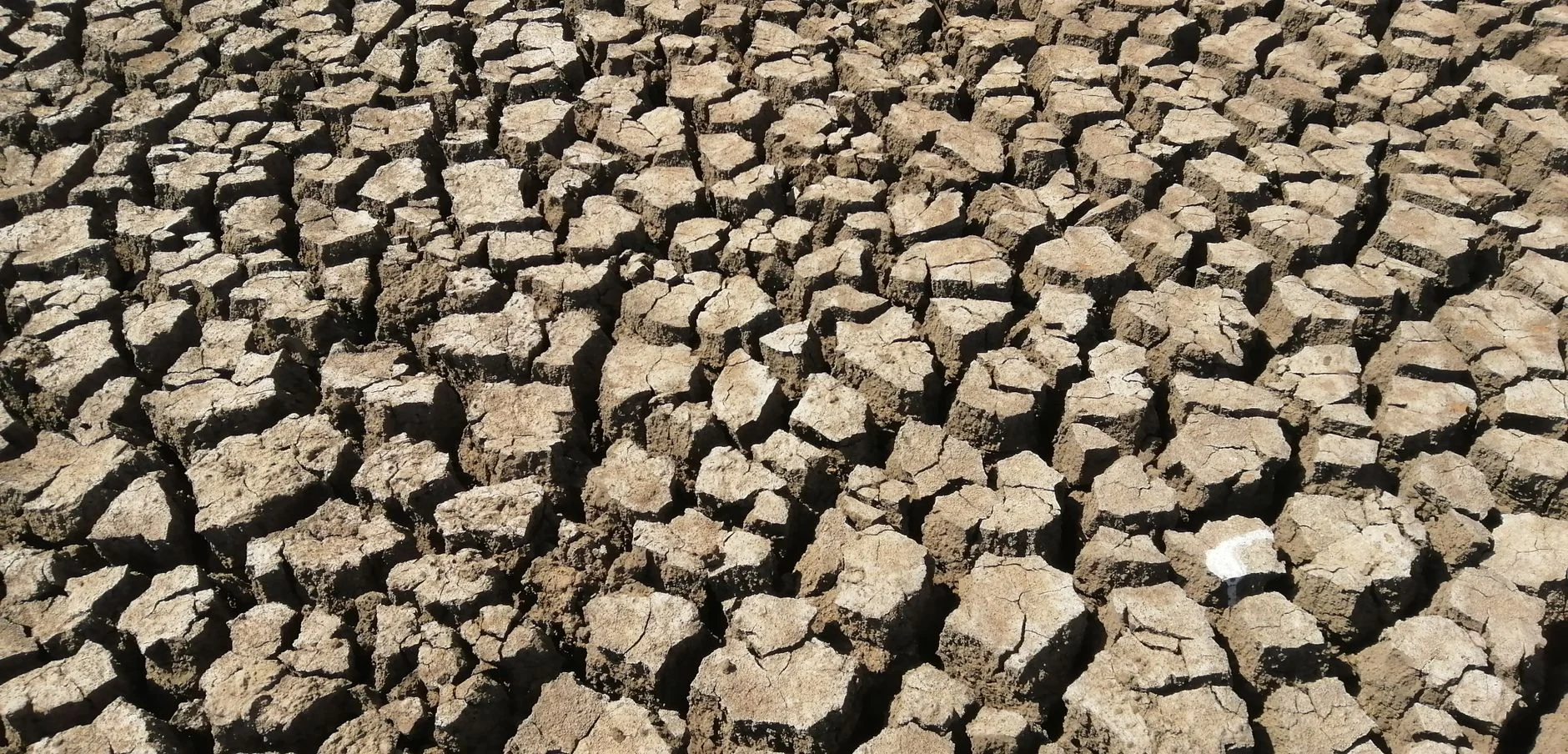
What Happened
Soil degradation has emerged as a critical environmental challenge, affecting vast tracts of arable land globally. This phenomenon, characterized by the decline in soil quality and productivity, results from a complex interplay of natural processes and anthropogenic activities. Understanding the underlying scientific factors is essential to grasp the scope and severity of soil degradation and to inform sustainable land management strategies.
Why It Matters
The deterioration of soil health has profound implications for ecosystems, food security, and the global economy. Soil is a fundamental resource supporting plant growth, water filtration, and carbon sequestration. Its degradation compromises agricultural productivity and resilience, exacerbates climate change through increased greenhouse gas emissions, and threatens biodiversity. Addressing soil degradation is thus pivotal to ensuring long-term environmental stability and human well-being.
Industry Context
Soil degradation intersects with multiple sectors including agriculture, environmental management, forestry, and urban development. The agricultural industry, in particular, is both a contributor to and a victim of soil degradation. Intensive farming practices, land conversion, and improper irrigation techniques accelerate soil erosion, nutrient depletion, and salinization. Simultaneously, global demand for food and bioresources places additional pressure on soil systems. Industry stakeholders increasingly recognize the need for integrated approaches that balance productivity with soil conservation.
Analysis
Scientifically, soil degradation manifests through several interrelated processes:
- Erosion: Wind and water erosion remove the nutrient-rich topsoil layer, diminishing soil fertility and altering landscape morphology. This loss is often accelerated by deforestation, overgrazing, and unsustainable land use.
- Chemical Deterioration: Continuous monoculture and excessive use of fertilizers and pesticides disrupt soil chemistry, leading to acidification, salinization, and contamination. These changes affect microbial communities critical for nutrient cycling.
- Physical Degradation: Soil compaction and crusting reduce porosity, impeding water infiltration and root penetration. Heavy machinery and overstocking contribute significantly to this form of degradation.
- Biological Decline: Loss of soil organic matter and biodiversity diminishes the natural resilience and regenerative capacity of soils. The decline in soil biota affects nutrient availability and soil structure.
Natural factors, such as climate variability and geological characteristics, modulate the susceptibility of soils to degradation but are often exacerbated by human activity. The spatial variability of these processes means that degradation patterns differ regionally, necessitating tailored mitigation strategies.
The long-term impacts extend beyond local environments. Soil degradation undermines agricultural sustainability by reducing yield potentials and increasing vulnerability to droughts and pests. It also contributes to sedimentation in waterways, affecting aquatic ecosystems and infrastructure. On a global scale, degraded soils release stored carbon, thus influencing atmospheric greenhouse gas concentrations.
What to Watch Next
Future efforts to address soil degradation will likely focus on advancing soil monitoring technologies, improving land management practices, and integrating ecological restoration with agricultural productivity. The development of resilient crop varieties, adoption of conservation tillage, and promotion of agroforestry are among strategies gaining attention. Furthermore, international cooperation and policy frameworks will play a crucial role in managing transboundary implications and fostering knowledge exchange.
Scientific research is expected to deepen understanding of soil-plant-atmosphere interactions and the socio-economic dimensions of soil degradation. Tracking progress in these areas will be essential to formulating effective responses and ensuring the sustainability of vital soil resources for generations to come.
Ask AI about this story
Answers are based on this article and SN Media’s related coverage. AI can make mistakes.
Frequently asked questions
What are the main scientific processes causing soil degradation described in the article?
The article identifies erosion, chemical deterioration, physical degradation, and biological decline as the main interrelated processes causing soil degradation.
How do human activities contribute to soil degradation according to the article?
Human activities such as deforestation, overgrazing, intensive farming, monoculture, excessive fertilizer and pesticide use, heavy machinery operation, and overstocking accelerate soil erosion, chemical imbalance, compaction, and loss of soil biodiversity.
What are the long-term impacts of soil degradation mentioned in the article?
Long-term impacts include reduced agricultural productivity, increased vulnerability to droughts and pests, sedimentation in waterways affecting aquatic ecosystems and infrastructure, and the release of stored carbon contributing to greenhouse gas emissions.
What future strategies does the article suggest for addressing soil degradation?
Future strategies include advancing soil monitoring technologies, improving land management practices, integrating ecological restoration with agricultural productivity, developing resilient crop varieties, adopting conservation tillage, promoting agroforestry, and enhancing international cooperation and policy frameworks.
Continue the story
 LATEST
The Corporate Missteps Behind Nike’s Decline: A Deep Dive
LATEST
The Corporate Missteps Behind Nike’s Decline: A Deep Dive
- LATEST Climate Change and the Rhine: How Extreme Weather Disrupts European Supply Chains
- LATEST The Economic and Environmental Costs of Heathrow’s Third Runway Expansion
- LATEST The Impact of Bolivia’s Half a Million Miners on Global Critical Minerals Supply
- LATEST Global Implications of Sustained High Yields on Government Debt