






What happened
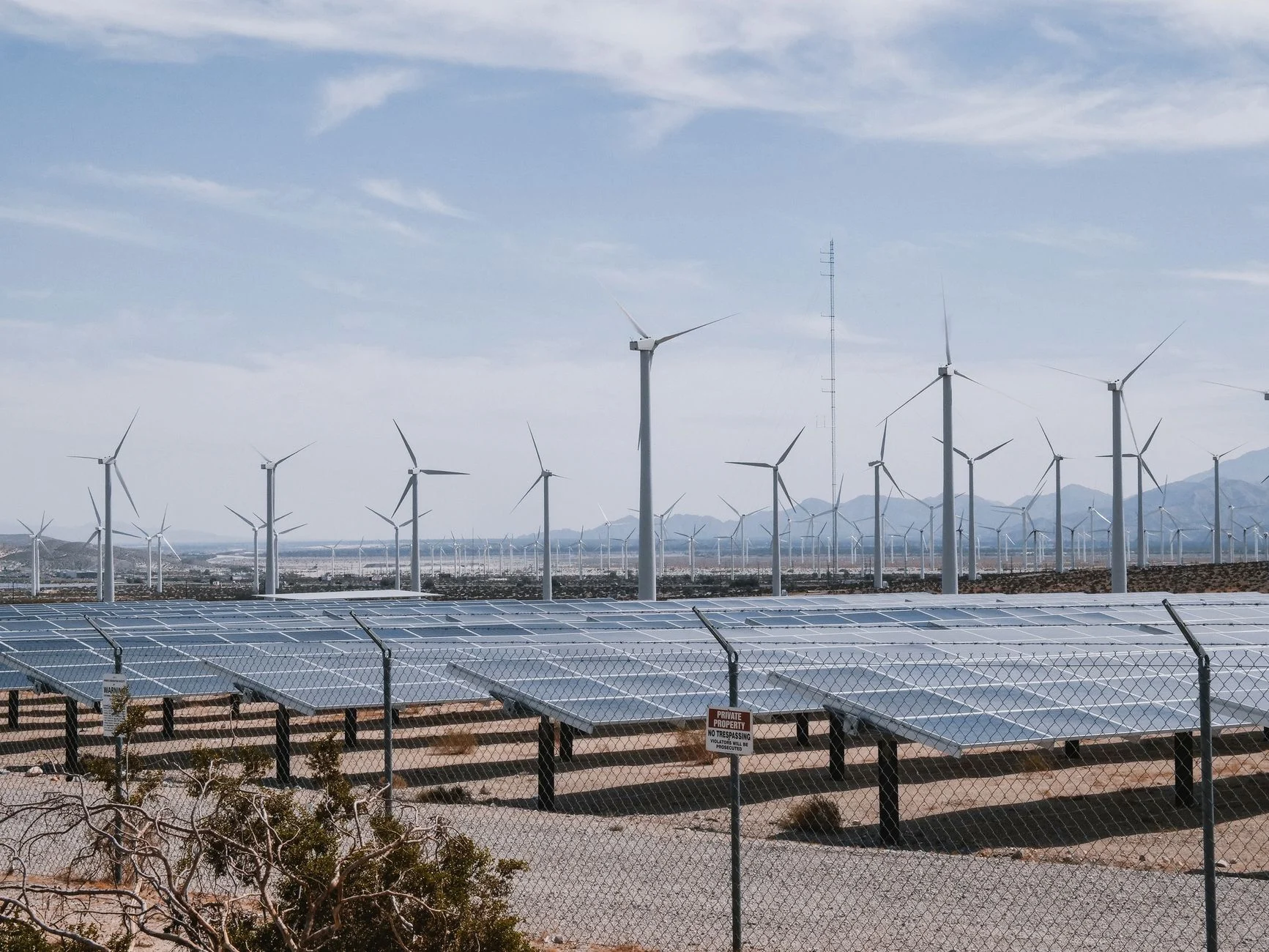
As renewable energy installations continue to expand globally, the focus has increasingly shifted toward the complex task of integrating these intermittent power sources into existing electrical grids. Despite rapid growth in solar, wind, and other renewables, many regions face persistent challenges related to grid stability, capacity constraints, and system resilience. These issues reveal a critical tension between renewable energy ambitions and the physical and operational limits of current infrastructure systems.
Why it matters
The transition to cleaner energy systems is central to global climate goals and energy security strategies. However, without addressing underlying infrastructure shortcomings, the deployment of renewable energy risks being compromised by inefficiencies, increased costs, and grid reliability concerns. Understanding and resolving these bottlenecks is essential to avoid undermining the environmental and economic benefits promised by renewable technologies.
Industry context
Renewable energy sources, by nature, are variable and decentralized compared to traditional fossil-fuel power plants. This variability demands grids that are more flexible and capable of balancing supply and demand in real time. Many existing grids were designed around centralized generation with predictable output, lacking the advanced control systems, storage capabilities, and transmission capacity required for high shares of renewables. Investment patterns have often prioritized generation capacity over complementary infrastructure upgrades, resulting in a misalignment between renewable deployment and grid readiness.
Analysis
Several interconnected infrastructure challenges complicate renewable energy integration:
- Transmission and Distribution Constraints: Renewable resources are frequently located far from load centers, necessitating long-distance transmission lines. Many grids suffer from congestion and limited capacity in key corridors, impeding the efficient flow of renewable power.
- Grid Stability and Reliability: The intermittent nature of solar and wind introduces volatility. Without sufficient grid-forming technologies, such as synchronous condensers or advanced inverters, maintaining frequency and voltage stability becomes increasingly difficult.
- Energy Storage and Flexibility: The absence of widespread, cost-effective storage solutions limits the ability to smooth renewable output and shift energy supply to match demand patterns.
- System Coordination and Control: Legacy grid management systems often lack the sophistication required for real-time monitoring and adaptive control, which are critical in a distributed renewable environment.
Addressing these issues requires a holistic approach that integrates policy, technology, and investment decisions. Upgrading transmission infrastructure, deploying advanced grid management tools, incentivizing storage solutions, and fostering regional grid interconnections are vital steps. Moreover, regulatory frameworks need to evolve to encourage coordinated planning between generation developers and grid operators, ensuring infrastructure keeps pace with renewable ambitions.
What to watch next
Future developments to monitor include the pace and scale of grid modernization projects, particularly investments in high-voltage transmission lines and smart grid technologies. The evolution of market structures and regulatory reforms aimed at enhancing grid flexibility and resource adequacy will also be critical indicators. Additionally, advancements in energy storage technology and their integration into grid operations will play a decisive role in overcoming current bottlenecks. Ultimately, the success of renewable energy integration will hinge on the ability to synchronize infrastructure improvements with the ongoing transformation of the global energy landscape.
Ask AI about this story
Answers are based on this article and SN Media’s related coverage. AI can make mistakes.
Frequently asked questions
What are the main infrastructure challenges hindering renewable energy integration?
Key challenges include transmission and distribution constraints due to remote renewable sites, grid stability issues from intermittent power sources, limited energy storage capacity, and outdated grid management systems lacking real-time control.
Why do existing electrical grids struggle with high shares of renewable energy?
Many grids were designed for centralized, predictable fossil-fuel generation and lack the flexibility, advanced control technologies, and transmission capacity needed to balance the variable and decentralized nature of renewables.
What solutions does the article suggest to address these infrastructure bottlenecks?
The article recommends upgrading transmission infrastructure, deploying advanced grid management tools, incentivizing energy storage, fostering regional grid interconnections, and evolving regulatory frameworks to enable coordinated planning between generation and grid operators.
What future developments should be monitored to assess progress in renewable energy integration?
Important indicators include the pace of grid modernization projects, investments in high-voltage transmission and smart grid technologies, regulatory reforms enhancing grid flexibility, and advancements in energy storage integration into grid operations.
Continue the story
 LATEST
Power Grid Vulnerabilities Exposed by Hurricane Isaias in the Gulf Coast
LATEST
Power Grid Vulnerabilities Exposed by Hurricane Isaias in the Gulf Coast
- LATEST How Rising Energy Costs Are Reshaping Northern Ireland’s Economic Landscape
- LATEST The Historical Lessons of the 1973 Arab Oil Embargo for Today’s Energy Policies
- LATEST Climate Change and the Rhine: How Extreme Weather Disrupts European Supply Chains
- LATEST How California’s Early October Heatwave Is Stressing the Power Grid