
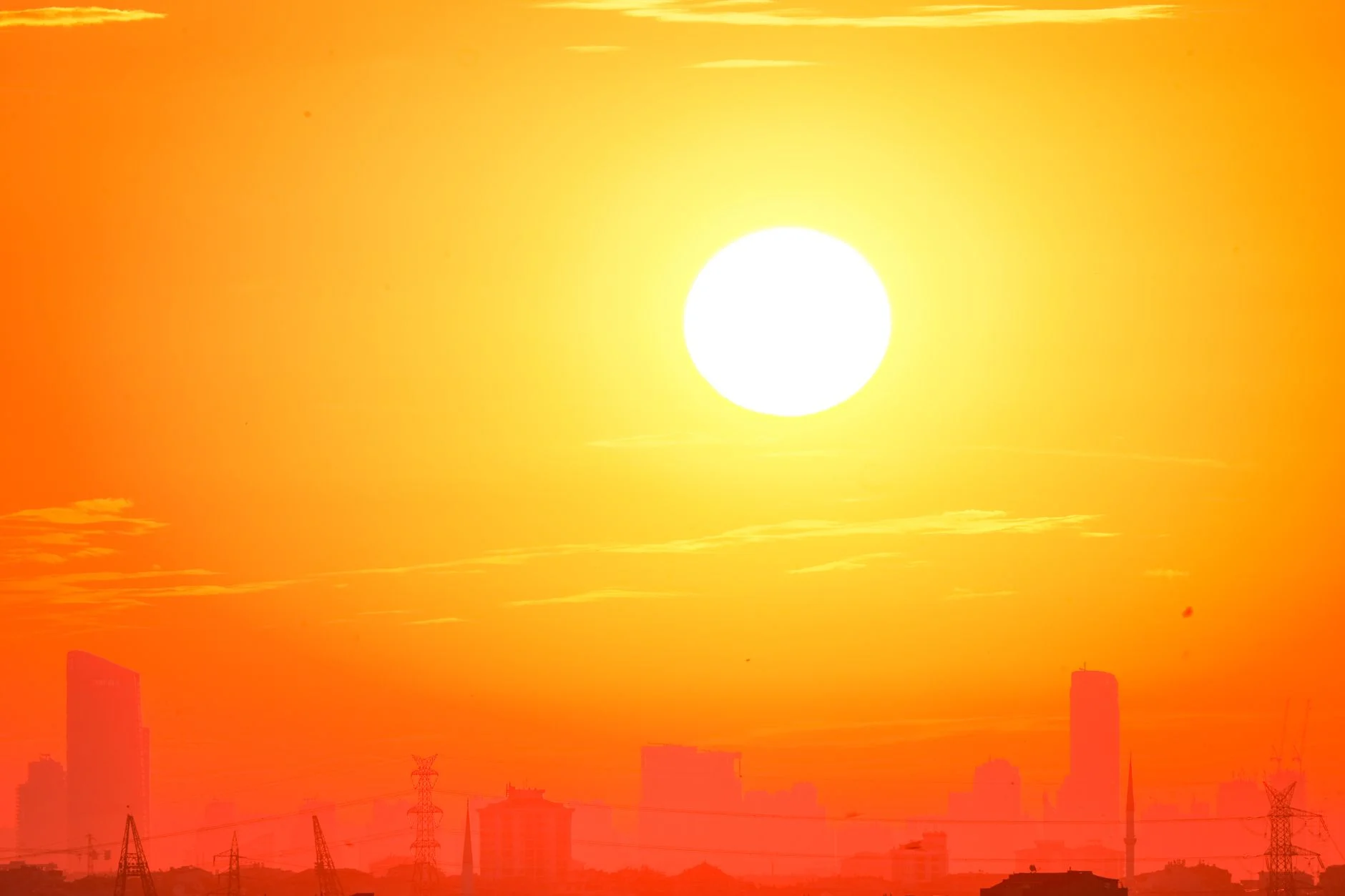

The Science Behind Urban Heat Islands: Causes and Consequences
What happened
Urban heat islands (UHIs) have become a critical subject of scientific inquiry and urban planning discourse due to their measurable impact on local climates within metropolitan regions. The phenomenon describes the substantial temperature differences observed between urban areas and their surrounding rural environments, where cities consistently register higher heat levels. This effect results from the complex interplay between urban infrastructure, land use patterns, and atmospheric conditions.
Why it matters
The significance of urban heat islands extends beyond mere temperature variations. Elevated urban temperatures exacerbate energy consumption, strain public health systems, and contribute to the intensification of heat-related illnesses. Additionally, UHIs influence local weather patterns, potentially altering precipitation and air quality dynamics. Understanding the fundamental scientific mechanisms driving UHIs is essential for developing effective mitigation strategies that safeguard environmental sustainability and human well-being.
Industry context
Urban heat islands intersect with several industries and policy domains, including urban planning, architecture, environmental engineering, and public health. The construction sector’s choice of materials and design principles directly affects heat retention and dissipation in cityscapes. Similarly, energy providers face increased demand for cooling during intensified heat periods. Policymakers and regulators are tasked with integrating scientific insights into building codes and urban development guidelines to minimize adverse effects. The growing focus on climate resilience further situates UHIs as a priority in sustainable urban development agendas worldwide.
Analysis
The urban heat island effect arises primarily from modifications in land surface characteristics and energy balances within cities. Natural vegetation is often replaced by impervious surfaces such as asphalt, concrete, and roofing materials, which have higher thermal mass and lower albedo, absorbing and retaining solar radiation more effectively. This alteration reduces evapotranspiration, a natural cooling process, while increasing sensible heat flux into the urban atmosphere.
Additionally, urban geometry—characterized by dense clusters of buildings—creates “canyon-like” environments that trap heat and reduce airflow, further limiting the dissipation of accumulated warmth. Anthropogenic heat generated from vehicles, industrial activity, and air conditioning systems compounds the thermal load. The cumulative effect is a localized warming that can range from a few degrees Celsius to more significant differentials depending on city size, construction patterns, and climatic context.
The consequences of UHIs manifest in several domains. On an environmental level, elevated temperatures can intensify ground-level ozone formation, degrading air quality and increasing respiratory health risks. Energy demand spikes for cooling infrastructure amplify greenhouse gas emissions, creating a feedback loop that exacerbates global warming trends. Socially, vulnerable populations such as the elderly and low-income communities often bear disproportionate risks during heatwaves intensified by UHIs.
What to watch next
Future developments in addressing urban heat islands hinge on multidisciplinary approaches integrating advances in material science, urban design, and climate modeling. Innovations in reflective and permeable building materials, expansion of urban green spaces, and the strategic incorporation of water features represent potential mitigation pathways. Monitoring and modeling efforts will be crucial for tailoring interventions to diverse urban contexts, accounting for geographic and socioeconomic variability.
Additionally, the role of policy frameworks in incentivizing sustainable urban development and enforcing heat mitigation measures will be a critical factor shaping the trajectory of UHI management globally. The evolution of data-driven urban climate assessments and community engagement in resilience planning will also inform the effectiveness of future strategies.