

What happened
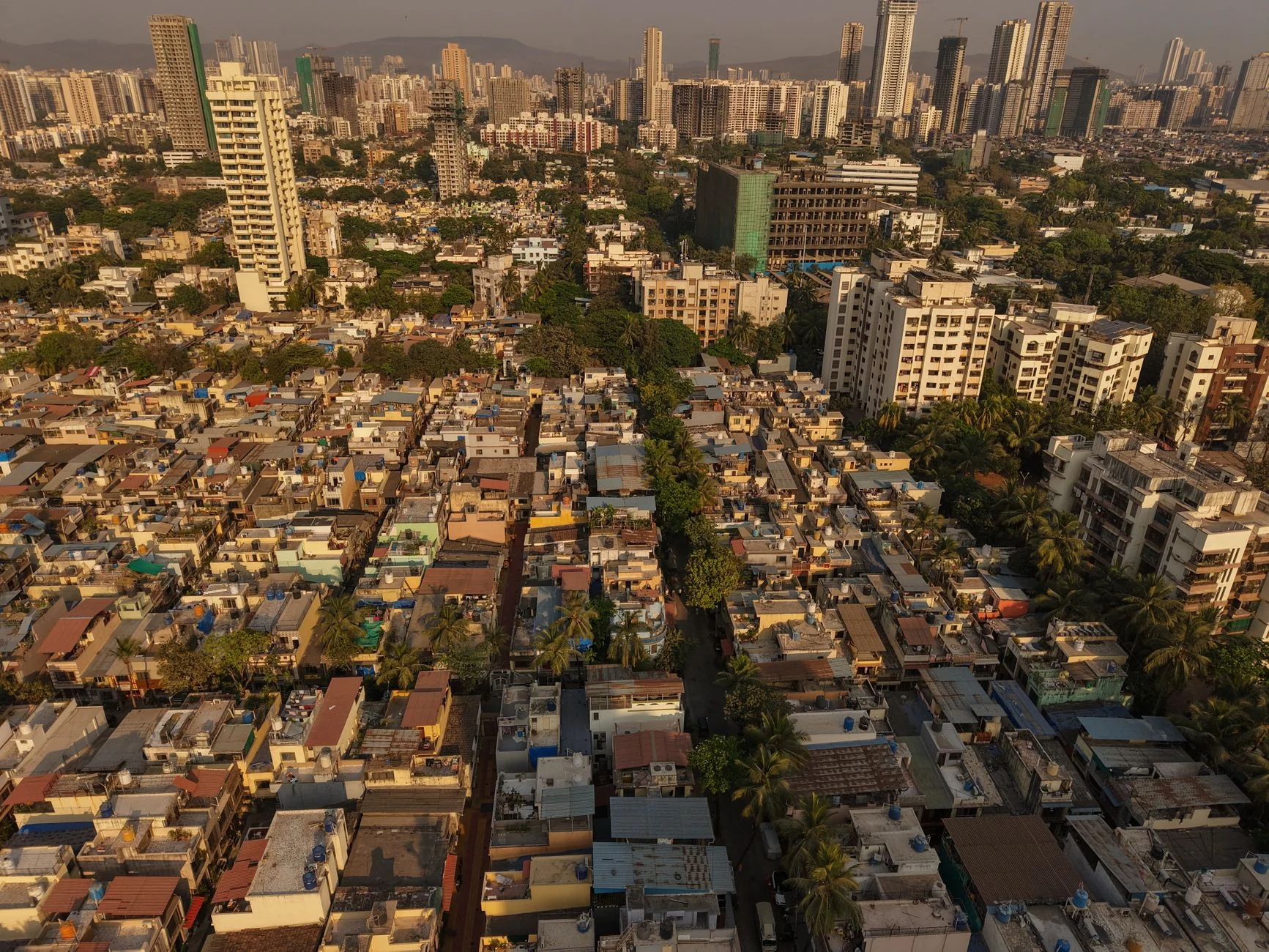
Urbanization continues to accelerate globally, with more than half of the world’s population residing in cities. This demographic shift has profound implications for how communities form, function, and evolve. Traditional social bonds, often rooted in geographic proximity and shared cultural practices, are being challenged by the complexities of metropolitan life. Emerging patterns in urban living reveal both the erosion of some conventional community structures and the creation of new forms of social connectivity.
Why it matters
The transformation of community dynamics in urban settings affects multiple facets of society, from individual well-being to governance and economic development. Social cohesion underpins trust, safety, and collective action, all vital for sustainable urban living. Understanding how urbanization reshapes social networks is crucial for policymakers, urban planners, and civil society actors aiming to foster inclusive, resilient communities amid ongoing demographic and technological change.
Industry context
The interplay between urban growth and social interaction has become a focal point across sectors such as urban planning, social policy, real estate development, and technology. Increasingly, governments and private entities recognize that infrastructure alone cannot guarantee livability; social infrastructure—spaces and systems that facilitate interaction and belonging—has gained prominence in strategic discussions. Moreover, digital technologies have introduced new modalities for connection, further complicating traditional models of community.
Analysis
Urbanization transforms social bonds through several interrelated mechanisms. First, population density and diversity increase the potential for heterogeneous social networks but also introduce challenges in maintaining cohesive identities. The anonymity inherent in large cities can weaken neighborhood ties, reducing informal social control and mutual support.
Second, physical urban design influences social interaction. The decline of mixed-use neighborhoods and the rise of segregated zoning can limit spontaneous encounters that foster community ties. Conversely, well-conceived public spaces and transit-oriented developments have shown potential to encourage social capital by facilitating face-to-face engagement.
Third, mobility patterns affect community stability. High rates of residential turnover in urban areas can disrupt long-term relationships, while commuter lifestyles often prioritize workplace or digital networks over local ones. This shift necessitates new frameworks for social cohesion that transcend traditional geographic boundaries.
Fourth, technology both supplements and disrupts urban sociality. Online platforms can maintain connections across distances and diverse groups, but may also contribute to social fragmentation or echo chambers. The integration of physical and digital community-building efforts remains an unresolved challenge, requiring nuanced approaches to leverage technology without diminishing local engagement.
Finally, socioeconomic disparities within urban populations shape access to community resources and participation. Marginalized groups may experience exclusion or isolation, exacerbating inequalities and undermining overall social resilience. Effective strategies must therefore address inclusivity alongside connectivity.
What to watch next
Future developments will likely hinge on how urban stakeholders balance densification with livability, and how social infrastructure evolves in tandem with physical and digital environments. Innovations in urban design that prioritize social interaction, alongside policies promoting affordable housing and equitable access to public spaces, will be critical. Additionally, the role of technology in mediating urban sociality demands close observation, particularly as cities experiment with hybrid models of community engagement.
Monitoring these trends will be essential for anticipating the trajectory of urban social bonds and for crafting interventions that strengthen community cohesion in an increasingly urbanized world.