
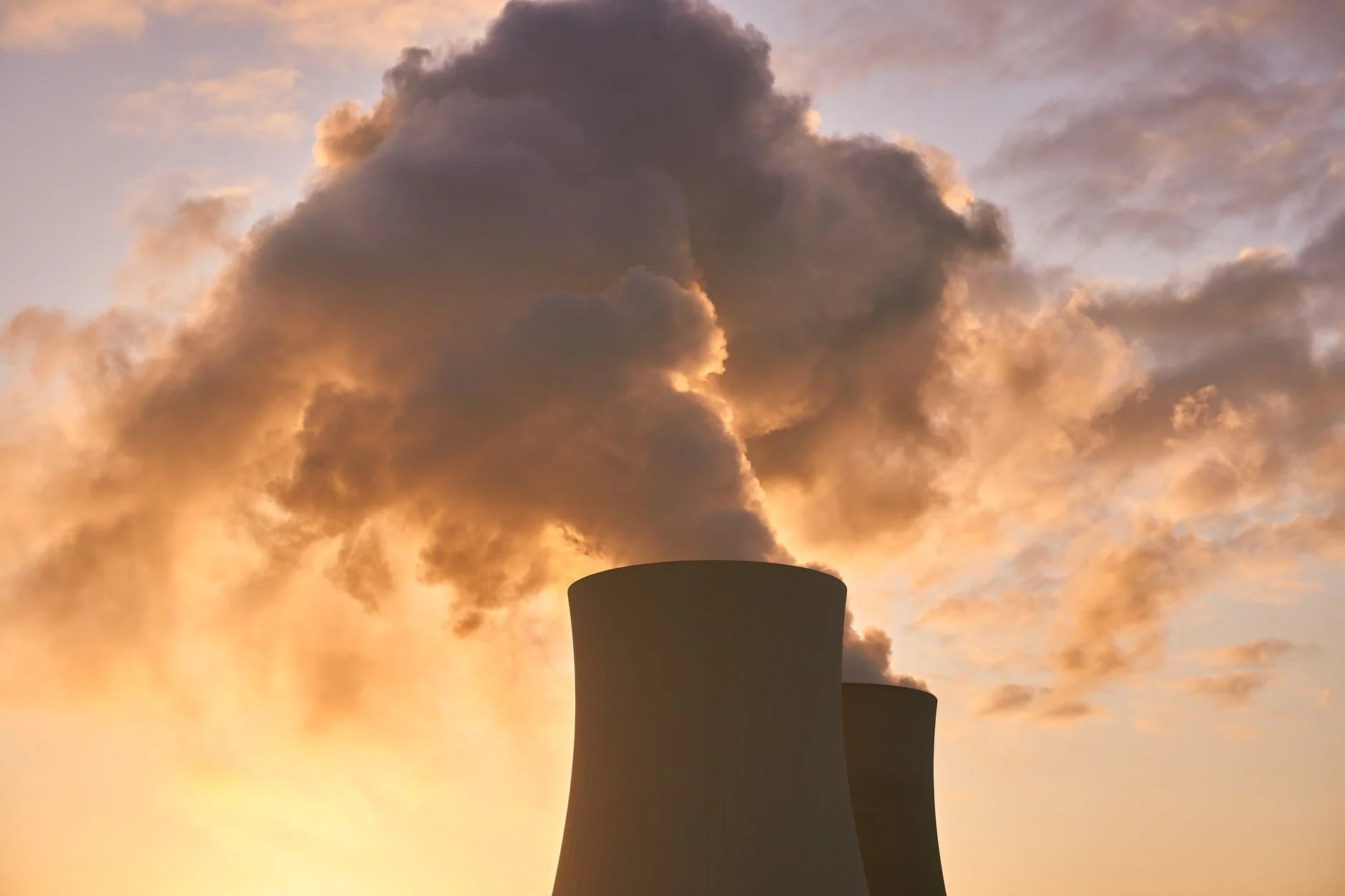

AI-generated from this article. The full story above is the authoritative source.
What Happened
Over recent decades, scientific research has deepened our understanding of the carbon cycle—the complex series of processes by which carbon is exchanged among the atmosphere, oceans, terrestrial biosphere, and geosphere. This expanding knowledge underlines the intricate feedback mechanisms that govern carbon fluxes and their influence on Earth’s climate system. The evolving picture emphasizes that carbon cycle dynamics are not only critical in the short term but also shape climate patterns over geological timescales, affecting the trajectory and magnitude of global climate change.
Why It Matters
The carbon cycle is central to the regulation of atmospheric greenhouse gas levels, particularly carbon dioxide (CO₂), which is the principal driver of anthropogenic climate change. Understanding the pathways and reservoirs of carbon enables more accurate projections of future climate scenarios and informs policy decisions aimed at mitigation and adaptation. The interplay between carbon sources and sinks determines the persistence of elevated atmospheric CO₂ concentrations and the potential for feedback loops that could amplify warming or, conversely, enhance carbon sequestration.
Industry Context
The energy, agriculture, forestry, and land-use sectors are directly engaged with carbon cycle processes, as their activities influence both emissions and sequestration. Energy production, especially from fossil fuels, remains the largest anthropogenic source of carbon emissions, while land management practices can either exacerbate or alleviate atmospheric CO₂ accumulation. Industries involved in carbon capture and storage (CCS), reforestation, and soil carbon enhancement operate within this broader carbon cycle framework, seeking to modify natural processes to achieve climate goals.
Analysis
At the core of the carbon cycle are the exchanges between fast and slow reservoirs. Fast carbon exchanges occur within years to decades, involving photosynthesis, respiration, ocean-atmosphere gas exchange, and decomposition. Slow carbon processes, spanning millennia to millions of years, include the formation and weathering of carbonate rocks and organic carbon burial in sediments. Anthropogenic emissions have rapidly increased atmospheric CO₂, overwhelming natural sinks and pushing the system into a state of disequilibrium.
Feedback mechanisms present complex challenges for climate modeling. For example, warming-induced permafrost thaw releases previously sequestered carbon, adding to atmospheric greenhouse gases. Oceanic uptake of CO₂ alters seawater chemistry, potentially reducing the ocean’s capacity to absorb carbon and affecting marine ecosystems. These nonlinear interactions underscore the importance of incorporating comprehensive carbon cycle feedbacks into climate projections.
Moreover, the legacy of past carbon fluxes is evident in paleoclimate records, where fluctuations in atmospheric CO₂ correspond with glacial-interglacial cycles. This historical perspective reveals the sensitivity of the climate system to carbon perturbations and the potential for long-lasting impacts from current emissions. Bridging paleo-data with contemporary observations enhances the robustness of climate predictions and highlights the urgency of addressing carbon emissions.
What to Watch Next
Future research will increasingly focus on refining the quantification of carbon fluxes and feedbacks, particularly in understudied regions such as tropical peatlands and deep ocean sediments. Advances in satellite remote sensing, coupled with in situ measurements, promise improved monitoring of carbon reservoirs and flux dynamics. Additionally, the development of integrated Earth system models that better capture the complexity of carbon interactions will be critical for informing policy frameworks.
On the policy and industry fronts, the effectiveness of carbon management strategies—including reforestation, soil carbon enhancement, and CCS technologies—will require rigorous evaluation within the context of the broader carbon cycle. Understanding the permanence and scalability of these interventions remains a critical challenge. Ultimately, the trajectory of global climate change is inextricably linked to the balance of the carbon cycle, making its study indispensable for anticipating and mitigating future risks.
Ask AI about this story
Answers are based on this article and SN Media’s related coverage. AI can make mistakes.
Frequently asked questions
How do fast and slow carbon exchanges differ in the carbon cycle?
Fast carbon exchanges occur over years to decades and involve processes like photosynthesis, respiration, ocean-atmosphere gas exchange, and decomposition, while slow carbon processes span millennia to millions of years, including the formation and weathering of carbonate rocks and organic carbon burial in sediments.
What challenges do feedback mechanisms in the carbon cycle pose for climate modeling?
Feedback mechanisms such as permafrost thaw releasing carbon and oceanic COu2082 uptake altering seawater chemistry create nonlinear interactions that complicate climate projections and require comprehensive incorporation into models.
What role do industry sectors play in influencing the carbon cycle?
Energy production, agriculture, forestry, and land-use sectors affect carbon emissions and sequestration, with fossil fuel energy being the largest anthropogenic source, while practices like reforestation and soil carbon enhancement aim to modify natural processes to meet climate goals.
What areas of future research are highlighted for improving understanding of the carbon cycle?
Future research will focus on better quantifying carbon fluxes and feedbacks in understudied regions like tropical peatlands and deep ocean sediments, advancing satellite and in situ monitoring, and developing integrated Earth system models to capture carbon interactions more accurately.