








What happened
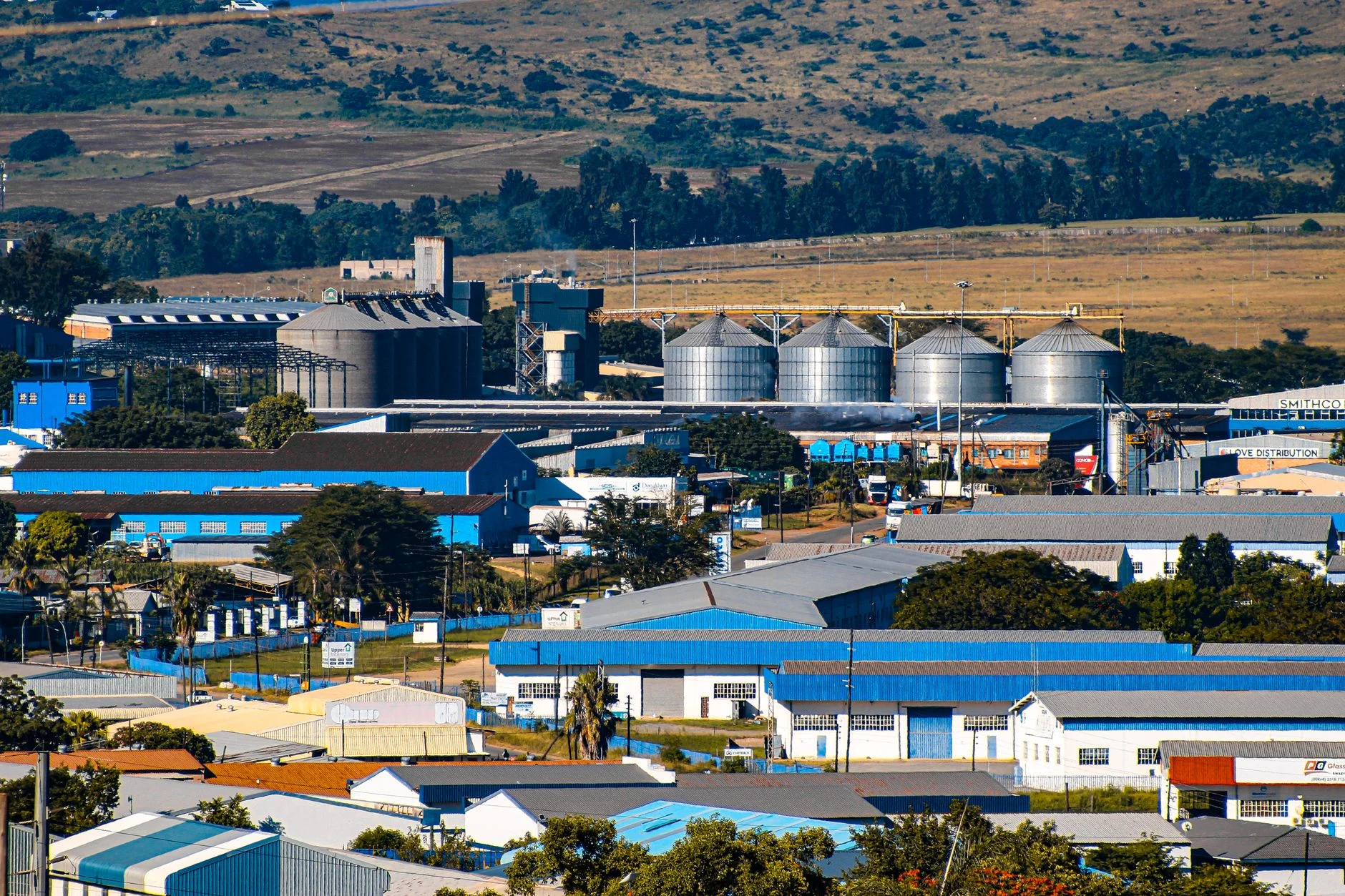
In recent years, there has been a marked resurgence of interest in industrial policy across multiple advanced and emerging economies. Governments and policymakers are increasingly advocating for strategic interventions to shape industrial development, aiming to reconcile economic competitiveness with environmental sustainability and technological innovation. This shift reflects a broader recognition that laissez-faire market dynamics alone may be insufficient to address the complex challenges of the 21st-century economy, including climate change, supply chain vulnerabilities, and geopolitical tensions.
Why it matters
The renewed focus on industrial policy is significant because it signals a departure from decades of predominantly market-driven economic strategies. By actively guiding industrial transformation, governments seek to foster resilient economies capable of sustaining growth while meeting pressing social and environmental objectives. The implications extend beyond national economies, influencing global trade patterns, investment flows, and technological standards. As countries compete to lead in emerging sectors such as clean energy, advanced manufacturing, and digital infrastructure, the design and implementation of industrial policy become pivotal factors in shaping future economic trajectories.
Industry context
The industrial landscape today is characterized by rapid technological change, heightened environmental awareness, and increased economic interdependence. Traditional manufacturing sectors contend with automation and digitization, while new industries emerge around renewable energy, artificial intelligence, and biotechnology. Concurrently, climate imperatives and resource constraints demand a reevaluation of production paradigms and supply chains. Industrial policy frameworks are being recalibrated to address these multidimensional challenges by integrating innovation ecosystems, regulatory reforms, and targeted investments in infrastructure and skills development.
Analysis
Modern industrial policy diverges from earlier models that emphasized protectionism or subsidy-driven growth. Instead, it adopts a more nuanced and evidence-based approach, prioritizing strategic sectors where competitive advantage can be sustainably developed. This involves leveraging public-private partnerships, facilitating technology transfer, and fostering inclusive innovation systems that encompass research institutions, startups, and established firms.
Environmental considerations are increasingly central, with policies designed to accelerate the transition to low-carbon economies while minimizing social disruption. This dual focus requires balancing short-term costs with long-term benefits, often through mechanisms such as carbon pricing, green procurement, and support for circular economy initiatives.
Moreover, industrial policy today must navigate complex international dynamics. Trade tensions, supply chain realignments, and technological sovereignty concerns compel governments to rethink openness and resilience in tandem. This has led to a more selective engagement with globalization, emphasizing strategic autonomy without reverting to outright isolationism.
What to watch next
Key developments to monitor include the evolution of policy frameworks that integrate sustainability benchmarks with innovation incentives, and their effectiveness in driving tangible industrial transformation. The capacity of governments to coordinate across jurisdictions and sectors will also be critical, particularly in managing supply chain vulnerabilities and fostering cross-border collaboration on technology standards.
Additionally, the impact of industrial policy on labor markets and social equity deserves close attention, as the transition to new industrial paradigms can exacerbate existing inequalities if not carefully managed. Finally, the interplay between industrial policy and global governance structures will shape the broader economic environment, influencing the pace and inclusivity of sustainable growth worldwide.
Ask AI about this story
Answers are based on this article and SN Media’s related coverage. AI can make mistakes.
Frequently asked questions
What is driving the renewed interest in industrial policy according to the article?
The resurgence is driven by recognition that market forces alone cannot address challenges like climate change, supply chain vulnerabilities, and geopolitical tensions, prompting governments to strategically intervene to balance competitiveness, sustainability, and innovation.
How does modern industrial policy differ from earlier models?
Modern industrial policy moves away from protectionism and subsidies, focusing instead on strategic sectors with sustainable competitive advantage through public-private partnerships, technology transfer, and inclusive innovation systems involving various stakeholders.
What are the environmental priorities within current industrial policy frameworks?
Environmental priorities include accelerating the transition to low-carbon economies and minimizing social disruption, using tools like carbon pricing, green procurement, and circular economy support to balance short-term costs with long-term benefits.
What future developments in industrial policy does the article suggest should be closely monitored?
Key areas to watch include the integration of sustainability with innovation incentives, government coordination across sectors and borders, impacts on labor markets and social equity, and how industrial policy interacts with global governance to influence sustainable growth.
Continue the story
 LATEST
How Michigan’s Public-Private Partnerships Are Shaping the Future of American Manufacturing
LATEST
How Michigan’s Public-Private Partnerships Are Shaping the Future of American Manufacturing
- LATEST Balancing Act: How Job Creation Can Influence National Debt and Economic Growth
- LATEST Unveiling the Hidden Economic Impact of AI: Beyond Official Data
- LATEST The Fed’s Inflation Threshold: What One Bad Report Could Mean for Interest Rates
- LATEST S&P 500’s Resurgence: What It Means for Global Economic Stability