








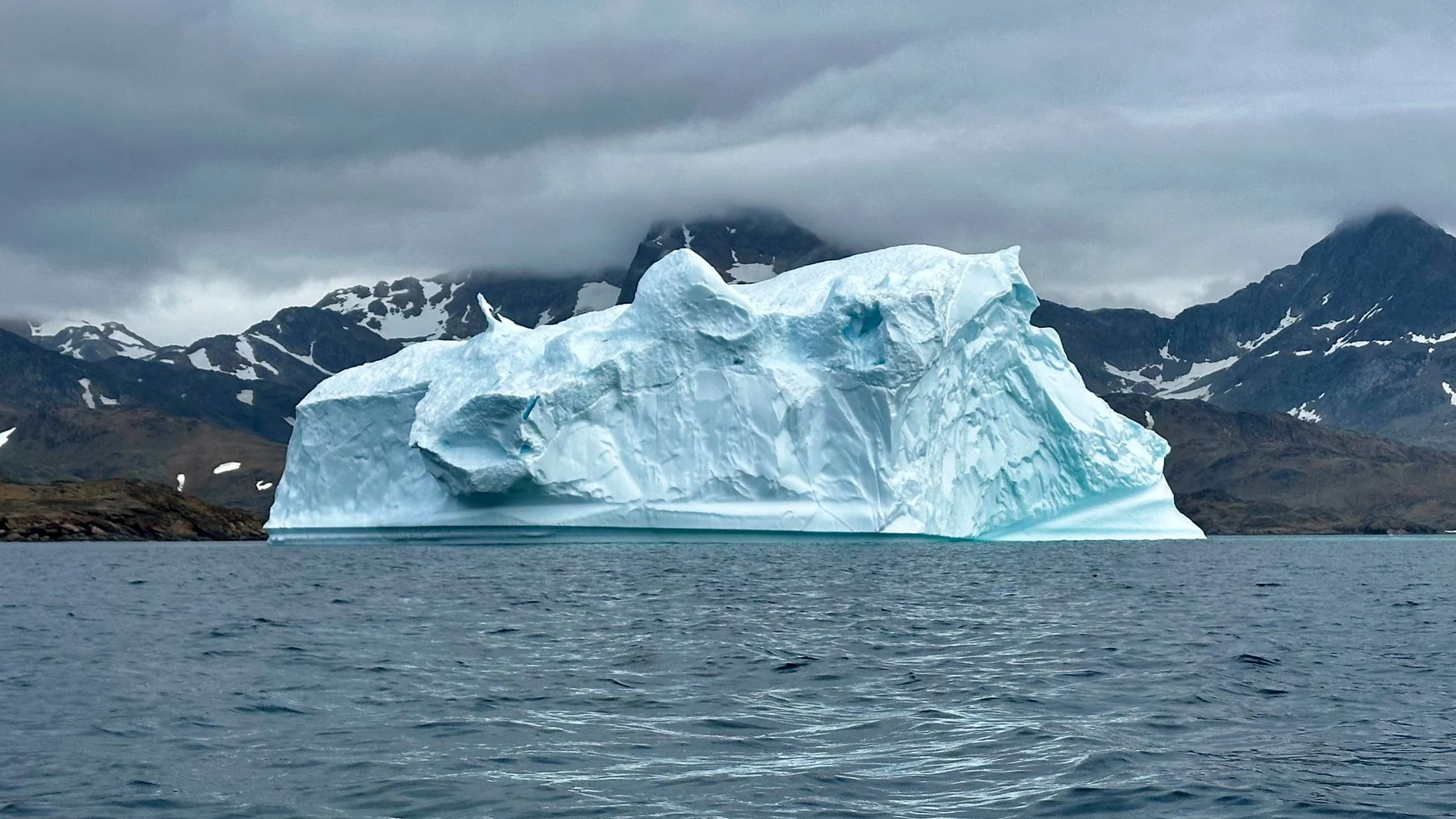
- The US-Denmark agreement grants the US permanent security control over Greenland, a strategic Arctic territory.
- This arrangement reshapes Arctic power dynamics amid rising geopolitical competition, particularly with Russia and China.
- Permanent US presence on Greenland enables enhanced missile defense, surveillance, and rapid Arctic deployment.
- The deal underscores evolving US priorities in Arctic security and reflects broader shifts in transatlantic defense cooperation.
What happened
The United States and Denmark have reached a landmark agreement granting the US permanent security control over Greenland. Formalized in 2023, this accord allows the US military to maintain and operate key defense installations on the island indefinitely. While Greenland remains an autonomous territory within the Kingdom of Denmark, the deal effectively cedes operational command of its security infrastructure to the US. This arrangement follows years of intermittent discussions and strategic recalibrations, culminating in an expansion of American military footprint in the Arctic region that goes beyond the temporary basing rights previously held.
Why it matters
Greenland occupies a pivotal position in Arctic geopolitics due to its vast landmass, proximity to the North Pole, and location between North America and Eurasia. Control over Greenland’s security apparatus substantially enhances US capabilities in missile defense, early-warning systems, and Arctic domain awareness. As climate change accelerates Arctic ice melt, new maritime routes and resource access points become viable, amplifying the strategic value of Greenland. The agreement signals US intent to assert dominance in this increasingly contested space, counterbalancing Russian military entrenchment and China’s growing Arctic ambitions. It also reflects a recalibration of US-Danish relations, aligning Denmark’s Arctic policy more closely with Washington’s security agenda.
Industry context
The Arctic has emerged as a critical frontier for defense industries and military modernization programs. The permanent US presence on Greenland will likely drive demand for advanced surveillance technologies, missile defense systems, and Arctic-specific operational equipment. This includes investments in radar networks, satellite communications, and cold-weather platforms. Defense contractors specializing in these domains stand to benefit from expanded contracts. Moreover, the agreement may prompt NATO to revisit its northern flank strategies, potentially increasing collaborative defense projects involving Arctic-capable assets. Greenland’s infrastructure upgrades will necessitate construction and logistics firms experienced in extreme environments, indicating a ripple effect across related sectors.
Analysis
The deal reflects a convergence of strategic imperatives shaped by evolving geopolitical competition and environmental realities. For the US, securing Greenland offers a forward base that enhances deterrence against Russian missile threats and counters Chinese attempts to establish a foothold in the Arctic. It also facilitates rapid deployment capabilities in a theater where infrastructure is sparse and operational conditions are harsh. Denmark’s acquiescence underscores Copenhagen’s recognition of the shifting security landscape and the benefits of aligning more closely with US defense priorities, despite potential domestic and Greenlandic sensitivities regarding sovereignty. However, the arrangement introduces complex trade-offs: while it strengthens Western Arctic defense posture, it risks exacerbating tensions with Moscow and Beijing, potentially militarizing the region further. It also raises questions about long-term environmental stewardship and local governance, as increased militarization may impact Greenland’s fragile ecosystems and indigenous communities.
What to watch next
Observers should monitor how the US operationalizes its new security role on Greenland, particularly regarding infrastructure development and force deployments. The response from Russia and China will be critical, as both have articulated strategic interests in the Arctic; Moscow may accelerate its own military modernization in the region, while Beijing could intensify diplomatic and economic initiatives to counterbalance US influence. NATO’s Arctic posture and the nature of transatlantic defense cooperation could evolve in response, potentially leading to new multilateral frameworks. Additionally, the internal political dynamics within Denmark and Greenland warrant attention, especially as questions of sovereignty, environmental impact, and economic benefit come to the fore. The agreement sets a precedent that may influence future Arctic governance and security arrangements among other regional stakeholders.
Ask AI about this story
Answers are based on this article and SN Media’s related coverage. AI can make mistakes.
Frequently asked questions
What does the US-Denmark agreement on Greenland entail?
The agreement grants the US permanent security control over Greenland, allowing the US military to maintain and operate key defense installations on the island indefinitely, effectively ceding operational command of its security infrastructure to the US while Greenland remains an autonomous territory within the Kingdom of Denmark.
Why is Greenland strategically important in this agreement?
Greenlandu2019s vast landmass, proximity to the North Pole, and location between North America and Eurasia enhance US capabilities in missile defense, early-warning systems, and Arctic domain awareness, especially as climate change opens new maritime routes and resource access, increasing geopolitical competition with Russia and China.
What are the potential geopolitical consequences of the US permanent presence in Greenland?
The US presence strengthens Western Arctic defense posture and counters Russian and Chinese ambitions, but it risks escalating military tensions in the region and may lead to further militarization, affecting regional security dynamics and prompting reactions from Moscow and Beijing.
What are some concerns or trade-offs associated with this agreement?
The arrangement raises questions about sovereignty for Denmark and Greenland, potential environmental impacts on fragile Arctic ecosystems, effects on indigenous communities, and the balance between enhanced defense capabilities and increased regional militarization.
Continue the story
 BACKGROUND · How we got here
US-Denmark Security Deal Redefines Arctic Military Strategy Amid Rising Geopolitical Tensions
BACKGROUND · How we got here
US-Denmark Security Deal Redefines Arctic Military Strategy Amid Rising Geopolitical Tensions