








What Happened
Air pollution remains a critical environmental and public health challenge worldwide. The processes by which pollutants disperse in the atmosphere—shaped by complex interactions between emission sources, meteorological conditions, and geographical features—have long been studied to better predict exposure risks and inform regulatory strategies. Recent advances in atmospheric science and environmental monitoring have refined our understanding of dispersion mechanisms, revealing nuanced patterns that vary significantly across urban, suburban, and rural landscapes.
Why It Matters
Understanding how air pollutants disperse is fundamental to mitigating their harmful effects on human health and ecosystems. Pollutant concentration gradients determine exposure levels, influencing the incidence of respiratory and cardiovascular diseases. Moreover, knowledge of dispersion patterns guides urban planners and policymakers in designing effective air quality management strategies, zoning regulations, and emergency response protocols. Without precise insights into dispersion dynamics, efforts to reduce pollution-related harm risk inefficiency or unintended consequences.
Industry Context
The environmental science and public health sectors have long relied on dispersion models as tools to simulate pollutant behavior under varying conditions. These models integrate data on emission rates, atmospheric stability, wind patterns, and topography. Traditional Gaussian plume models provided initial frameworks but often lacked the resolution to address complex urban environments or transient meteorological events. Contemporary approaches increasingly utilize computational fluid dynamics (CFD), remote sensing, and machine learning to enhance predictive accuracy and spatial granularity.
Analysis
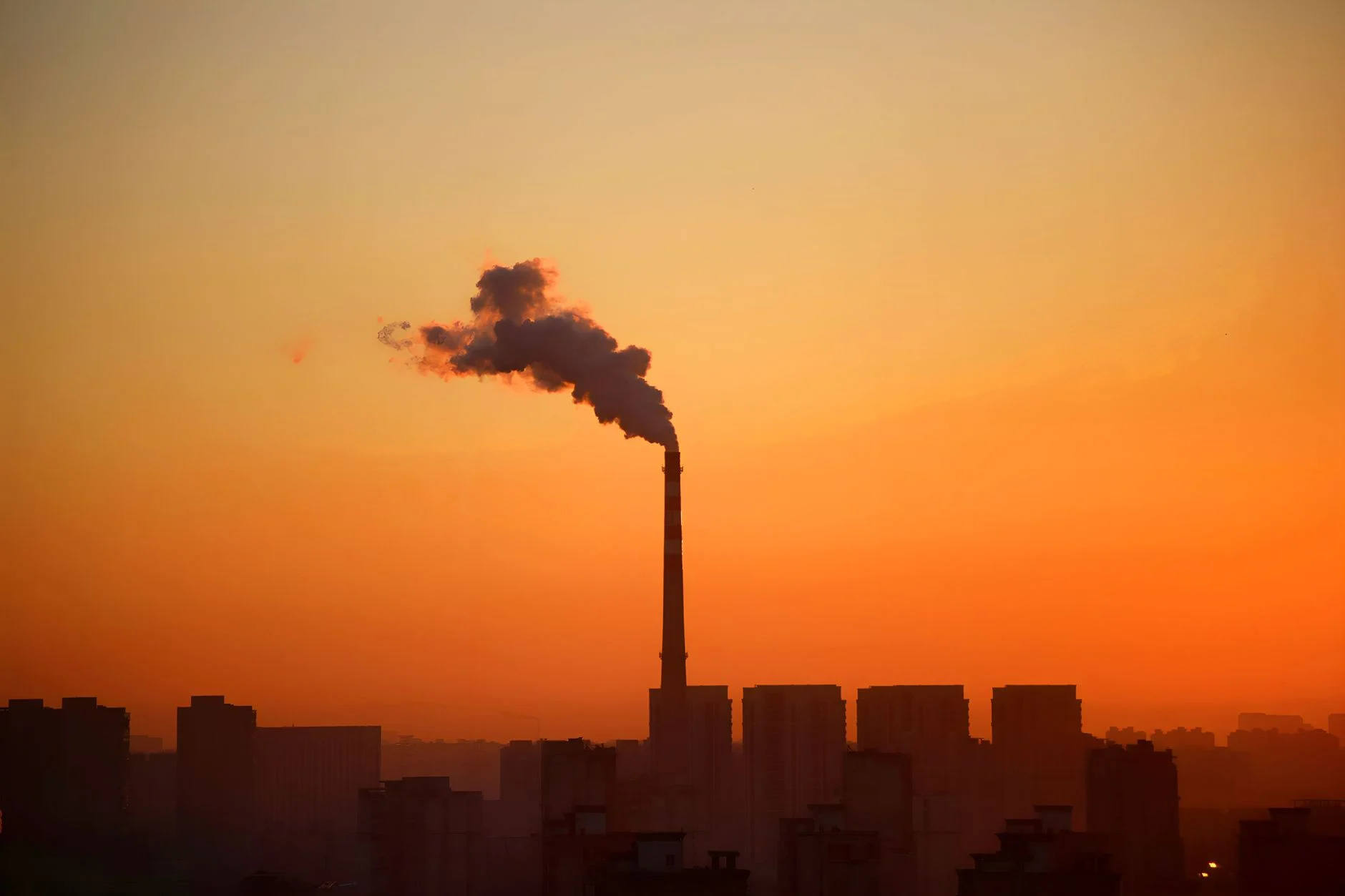
At the core of air pollution dispersion is the interplay between emission source characteristics and atmospheric processes. Point sources such as smokestacks release pollutants at specific heights and rates, influencing initial plume rise and dilution. Area and line sources, including traffic corridors and industrial zones, contribute to spatially diffuse emissions requiring different modeling approaches.
Meteorological factors are paramount. Wind speed and direction dictate horizontal transport, while atmospheric stability—determined by temperature gradients—affects vertical mixing. Stable conditions tend to trap pollutants near the surface, exacerbating local concentrations, whereas unstable conditions promote dispersion. Additionally, phenomena such as temperature inversions can create persistent pollution layers, posing health risks especially in valleys or basins.
Topography further modifies dispersion patterns. Urban canyons formed by dense building arrangements alter wind flow, leading to pollutant accumulation zones. Conversely, open plains facilitate wider dispersal but may carry pollutants over longer distances, impacting regional air quality. Coastal and mountainous regions exhibit unique meteorological interactions, including sea breezes and orographic lifting, which complicate dispersion dynamics.
Advancements in sensor technology and data analytics have enabled more refined temporal and spatial monitoring of pollutants, validating and improving model predictions. These developments support targeted interventions, such as dynamic traffic management and emission controls tied to real-time conditions.
What to Watch Next
Future progress in air pollution dispersion science will likely hinge on integrating multidisciplinary data streams—from satellite observations to ground-level sensors—with increasingly sophisticated modeling frameworks. Emphasis on high-resolution urban modeling and the incorporation of microclimatic effects will be essential to address localized exposure hotspots.
Moreover, climate change introduces an additional layer of complexity, as shifting weather patterns may alter dispersion behavior and pollutant lifecycles. Understanding these evolving dynamics is critical for developing adaptive air quality policies resilient to future environmental changes.
Finally, the intersection of dispersion science with public health metrics offers promising avenues for quantifying population-level impacts more precisely, informing equitable policy decisions that prioritize vulnerable communities.
Ask AI about this story
Answers are based on this article and SN Media’s related coverage. AI can make mistakes.
Frequently asked questions
What factors influence how air pollution disperses in different environments?
Air pollution dispersion is influenced by emission source characteristics, meteorological conditions such as wind speed, direction, and atmospheric stability, as well as geographical features like topography and urban structures.
How do meteorological conditions affect pollutant concentration levels?
Stable atmospheric conditions tend to trap pollutants near the surface, increasing local concentrations, while unstable conditions promote vertical mixing and dispersion. Temperature inversions can create persistent pollution layers that pose health risks, especially in valleys or basins.
What advancements have improved the modeling and monitoring of air pollution dispersion?
Recent advances include the use of computational fluid dynamics, remote sensing, machine learning, and enhanced sensor technology, which provide more accurate and higher-resolution temporal and spatial data to validate and improve dispersion models.
How might climate change impact air pollution dispersion patterns according to the article?
Climate change may alter weather patterns, affecting dispersion behavior and pollutant lifecycles, adding complexity to air quality management and necessitating adaptive policies to address these evolving dynamics.
Continue the story
 LATEST
How AI-Driven Volatility is Shaping Hedge Fund Dispersion Strategies
LATEST
How AI-Driven Volatility is Shaping Hedge Fund Dispersion Strategies
- LATEST Global Health Security and the Risk of Plague Resurgence in Siberia
- LATEST Balancing Aviation Growth and Climate Goals: The Heathrow Third Runway Dilemma
- LATEST Urban Infrastructure Challenges Exposed by Flash Flooding in Tri-State Area
- LATEST Climate Change and the Rhine: How Extreme Weather Disrupts European Supply Chains