








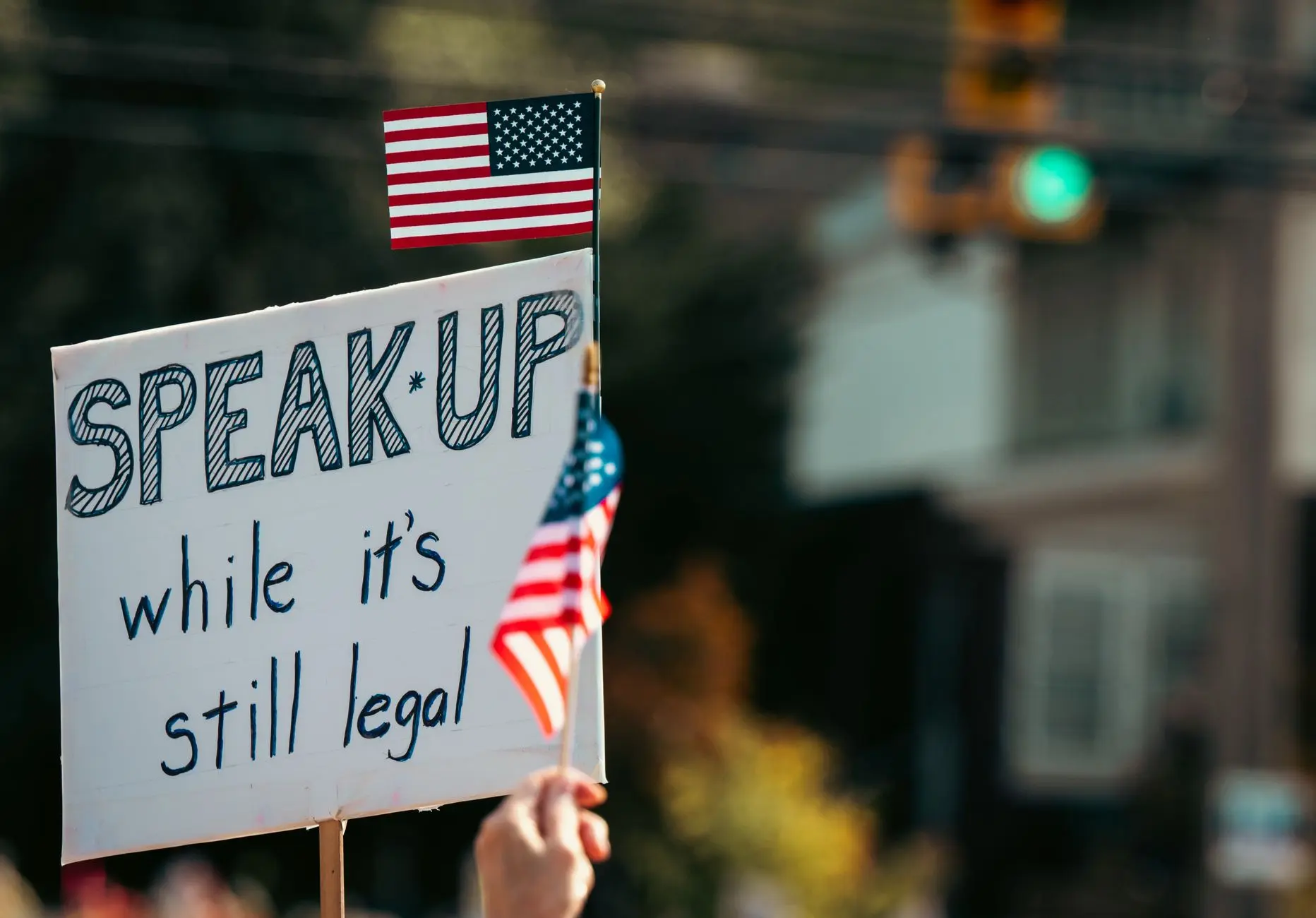
- Authoritarian regimes increasingly view comedians as political threats rather than mere entertainers.
- Turkey’s recent prosecution of a widely viewed comedian exemplifies the tightening control over dissenting voices online.
- Crackdowns on satire signal broader erosions of freedom of expression under expanding state surveillance and censorship.
- The digital dissemination of comedic content complicates authoritarian responses, but repression often intensifies as regimes adapt.
The Rising Risk for Comedians Under Authoritarian Regimes: Turkey’s Crackdown on Free Speech
What happened
In late September 2026, Turkish authorities released a comedian who had been jailed following a stand-up show that amassed over 15 million views online. The performance contained satirical critiques of the government’s policies and leadership, which prosecutors framed as a threat to public order and national unity. The initial arrest and subsequent imprisonment underscored a pattern of intensified state action against cultural figures who challenge official narratives. This case attracted international attention not only for the artist’s popularity but also for the explicit legal and rhetorical strategies used by the Turkish government to justify punitive measures against humor perceived as subversive.
Why it matters
Comedians occupy a unique cultural and political space where humor intersects with social critique. When authoritarian states target these figures, it signals a broader clampdown on the symbolic and discursive arenas that influence public opinion. The Turkish case highlights how regimes adapt traditional censorship to the realities of digital media, where content can reach millions beyond conventional broadcast controls. The repression of satire thus not only diminishes individual freedoms but also restricts the collective capacity for dissent and democratic dialogue. Understanding these dynamics is critical for assessing the health of free expression in increasingly surveilled and polarized societies.
Industry context
Authoritarian governments worldwide are increasingly sophisticated in using legal frameworks, digital surveillance, and platform regulations to suppress dissenting voices. In Turkey, a combination of anti-terrorism laws, defamation statutes, and ambiguous public order provisions have been repurposed to criminalize speech that challenges the regime. The entertainment industry, particularly comedians and satirists, has become a focal point because their work often distills and disseminates political criticism in ways that resonate broadly and rapidly online. Platforms hosting comedic content face growing pressure and risk becoming conduits for repression, complicating the balance between regulation and freedom.
Analysis
The Turkish government’s approach reveals a calculated strategy: constraining comedic expression without entirely silencing it, thereby maintaining an illusion of tolerance while signaling clear boundaries. By targeting a comedian whose digital reach was extensive, authorities demonstrate an acute awareness of the influence of viral content in shaping political discourse. This case also exposes tensions within the digital ecosystem—platforms may inadvertently amplify dissent while seeking to comply with local laws, becoming battlegrounds for competing values. Moreover, the use of expansive legal pretexts like “threats to public order” allows for flexible, discretionary enforcement, which can be tailored to intimidate without overtly provoking international backlash.
What to watch next
Future developments will hinge on several factors: the evolution of Turkey’s legal environment regarding speech, the response of international institutions and human rights organizations, and the strategies comedians and digital platforms adopt to navigate repression. Monitoring whether other cultural figures face similar prosecutions will indicate if this case was an anomaly or part of a sustained campaign. Additionally, the interplay between domestic political pressures and global digital governance debates will shape how authoritarian regimes regulate satire and dissent in the years ahead. The resilience of comedic voices, both within Turkey and beyond, remains a critical barometer for the state of free expression under authoritarianism.
Ask AI about this story
Answers are based on this article and SN Media’s related coverage. AI can make mistakes.
Frequently asked questions
Why was the Turkish comedian arrested and later released?
The comedian was arrested after a stand-up show that criticized the government and was viewed over 15 million times online; prosecutors claimed the performance threatened public order and national unity. The comedian was later released, highlighting intensified state actions against dissenting cultural figures.
How does Turkeyu2019s crackdown on comedians reflect broader trends in authoritarian regimes?
Turkey's actions exemplify how authoritarian governments use legal frameworks and digital surveillance to suppress dissent, particularly targeting comedians whose satire can rapidly influence public opinion online. This reflects a broader erosion of freedom of expression under expanding state control.
What legal strategies does the Turkish government use to justify repression of comedic content?
Authorities repurpose anti-terrorism laws, defamation statutes, and vague public order provisions to criminalize speech that challenges the regime, allowing flexible enforcement that intimidates dissent without provoking strong international backlash.
What future developments should be observed following this case?
It is important to monitor changes in Turkeyu2019s legal environment on speech, responses from international bodies, whether other cultural figures face prosecution, and how comedians and digital platforms adapt to repression. These factors will indicate if this case is isolated or part of a sustained campaign against satire.
Continue the story
 BACKGROUND · How we got here
Inside Turkey’s Crackdown on Financial Fraud: The Detention of Top Executives
BACKGROUND · How we got here
Inside Turkey’s Crackdown on Financial Fraud: The Detention of Top Executives