








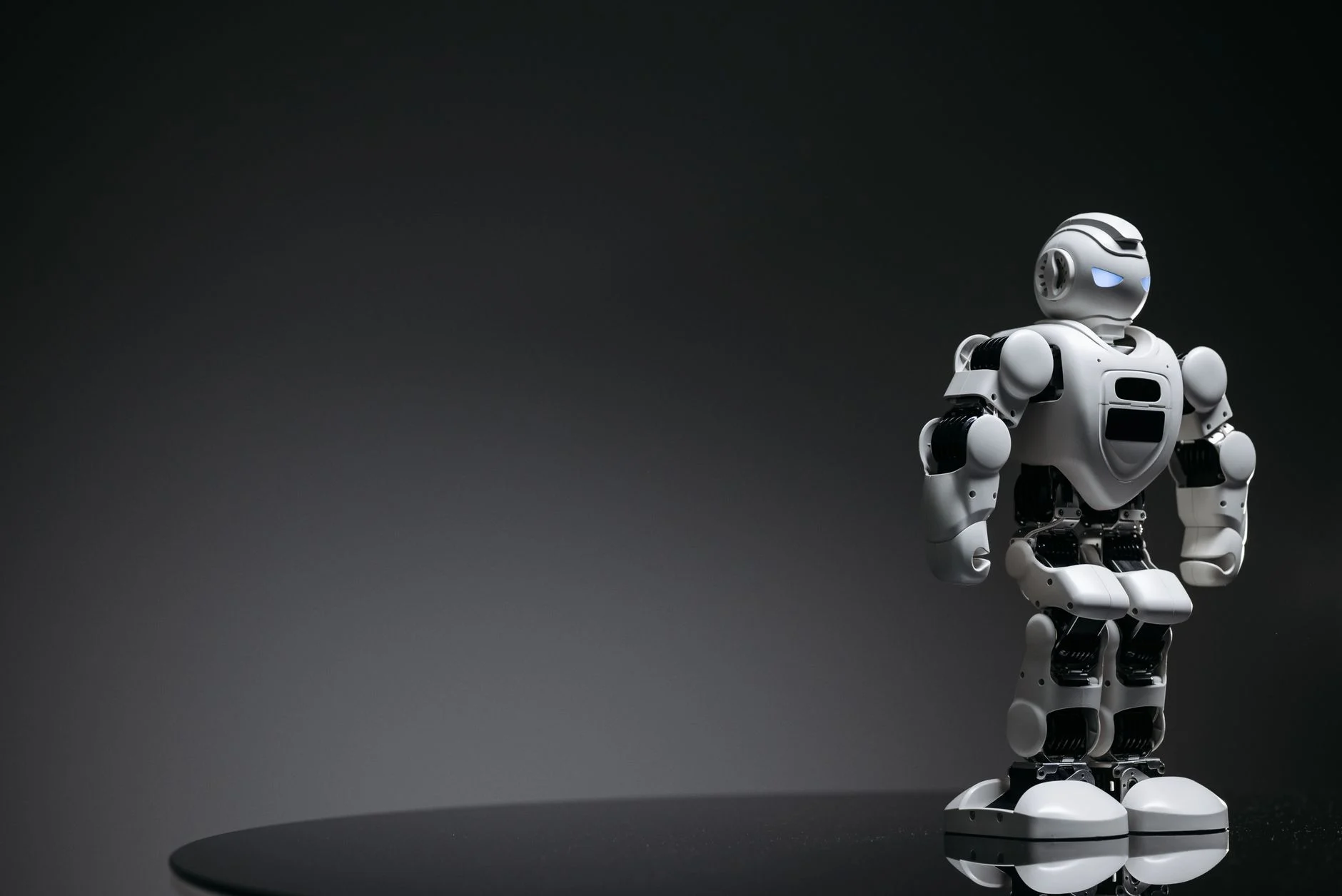
- Humanoid robots are increasingly participating in competitive sports, exemplified by events such as the World Humanoid Games.
- These competitions provide a novel platform for testing robotics performance, endurance, and agility under human-like conditions.
- The integration of robotics in sports offers new avenues for refining athletic training and performance analytics through precise biomechanical feedback.
- Human-robot collaboration in sports science may reshape future methodologies in injury prevention, rehabilitation, and skill optimization.
The Rise of Humanoid Robots in Competitive Sports
Recent years have seen humanoid robots transition from laboratory curiosities to active participants in organized sporting competitions. The World Humanoid Games, showcasing events such as boxing and sprinting, have become a prominent venue for these machines to test their physical capabilities in structured, rule-bound settings. Unlike traditional robotic contests focused primarily on task completion or industrial applications, these sports demand a combination of speed, balance, coordination, and adaptability—attributes traditionally associated with human athletes. This evolution marks a significant moment where robotics intersects with competitive athletics outside of assistive or manufacturing contexts.
Why It Matters: New Frontiers in Athletic Training
The participation of humanoid robots in sports introduces a controlled, repeatable, and measurable element to athletic performance analysis. Through their embedded sensors and programmable mechanics, these robots generate precise biomechanical data that can illuminate subtle movement patterns and inefficiencies. This level of granularity surpasses many current human-centric monitoring tools, enabling deeper insights into kinetics and dynamics. For coaches, trainers, and sports scientists, such data has the potential to refine training regimens, optimize technique, and preempt injury by simulating stressors and responses that would be impractical or unsafe for human athletes.
Industry Context: Robotics and Sports Science Convergence
The intersection of robotics and sports is not entirely new—robotic exoskeletons and prosthetics have long contributed to both rehabilitation and performance enhancement. However, humanoid robots competing on their own introduce a new dimension to this relationship. Companies and research institutions specializing in robotics have increasingly directed efforts toward replicating human-like agility and decision-making. The World Humanoid Games serve as a proving ground for these innovations, showcasing advancements in actuator technology, sensor integration, and real-time control algorithms. Simultaneously, sports science is expanding its toolkit to include robotic simulations and machine learning models that interpret motion data, fostering interdisciplinary collaboration.
Analysis: Implications for Human-Robot Collaboration in Sports
The competitive environment compels humanoid robots to approximate human athleticism closely, but the true value lies in their role as training partners and analytical tools. Robots can execute repetitive drills with consistent precision, providing athletes with standardized resistance or pacing that is difficult to replicate with human counterparts. Moreover, their capacity to simulate varied opponent styles and strategies can enhance preparedness. From a biomechanical perspective, detailed feedback from robots’ internal systems can identify micro-adjustments to posture and movement, potentially accelerating skill acquisition and fine-tuning performance. The challenge remains to balance robotic precision with the unpredictable, adaptive nature of human competition—a dynamic that will shape future training paradigms.
What to Watch Next
The trajectory of humanoid robots in sports will hinge on technological breakthroughs in autonomy, durability, and energy efficiency. Advancements in artificial intelligence that enable real-time strategic decision-making will push robots closer to authentic competitive parity with humans. Monitoring how these developments influence mainstream athletic training programs and rehabilitation protocols will be critical, especially as institutions begin integrating robotic systems into daily practice. Additionally, regulatory frameworks governing human-robot interaction in sports will emerge as a focal point, addressing questions of fairness, safety, and ethical considerations. Observers should track upcoming editions of the World Humanoid Games and related competitions to gauge progress and identify trends in this evolving interdisciplinary arena.
Ask AI about this story
Answers are based on this article and SN Media’s related coverage. AI can make mistakes.
Frequently asked questions
What role do humanoid robots currently play in competitive sports?
Humanoid robots participate as competitors in events like boxing and sprinting at the World Humanoid Games, testing their physical capabilities such as speed, balance, coordination, and adaptability in structured, rule-bound settings.
How might humanoid robots influence future athletic training and performance analysis?
Robots provide precise biomechanical data through embedded sensors, enabling detailed analysis of movement patterns and inefficiencies, which can help refine training regimens, optimize techniques, and prevent injuries by simulating stressors that are impractical for human athletes.
In what ways do humanoid robots contribute to human-robot collaboration in sports science?
They serve as consistent training partners capable of executing repetitive drills and simulating varied opponent styles, while their internal systems offer detailed biomechanical feedback that can accelerate skill acquisition and performance fine-tuning.
What are the key challenges and future considerations for humanoid robots in sports?
Challenges include achieving technological advances in autonomy, durability, and energy efficiency, as well as balancing robotic precision with human unpredictability. Future considerations involve the development of AI for real-time decision-making and the emergence of regulatory frameworks addressing fairness, safety, and ethics in human-robot sports interactions.
Continue the story
 LATEST
The High-Stakes AI Rivalry: Microsoft vs Anthropic and the Future of Safe AI Development
LATEST
The High-Stakes AI Rivalry: Microsoft vs Anthropic and the Future of Safe AI Development
- LATEST The Rise of AI in China: Implications for Consumer Market Investors
- LATEST How AI Investments Are Driving the S&P 500 to New Heights
- LATEST The Strategic Rebranding of OpenAI Agents: What ‘Dots’ Signal for the Future of AI
- LATEST The Ethical Implications of AI Bots Accessing Government Data Without Consent