








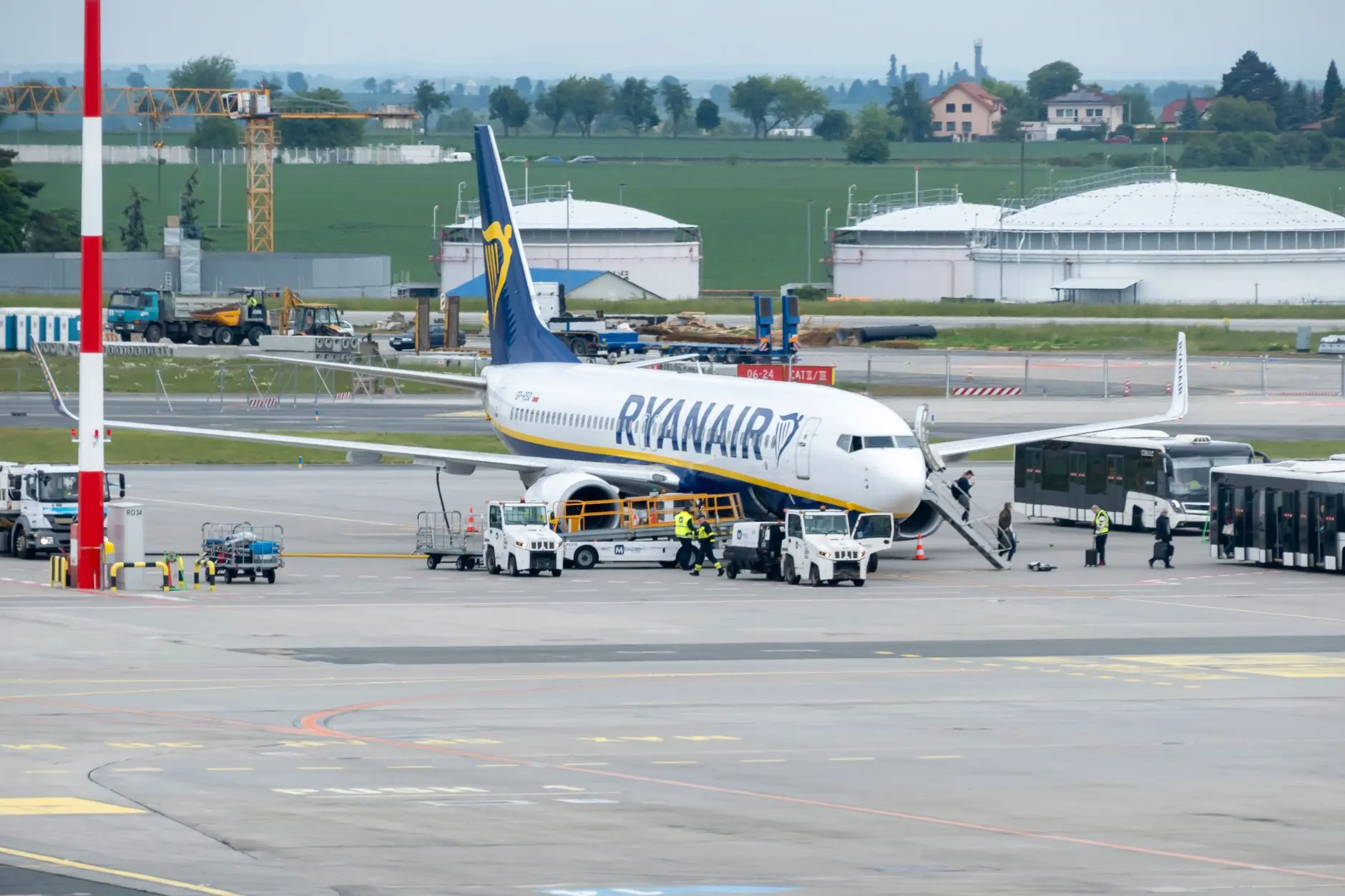
- Heathrow’s third runway promises economic boost but carries substantial upfront and long-term costs.
- Environmental assessments highlight significant increases in carbon emissions and local pollution.
- Financial projections reveal complex trade-offs between infrastructure investment and public spending priorities.
- Regulatory and climate policy uncertainties threaten to alter the runway’s operational viability.
What happened
The United Kingdom government and Heathrow Airport Holdings have reaffirmed plans to build a third runway at Heathrow, aiming to increase passenger capacity and bolster the airport’s status as a global hub. This development follows decades of debate, punctuated by legal challenges and environmental protests. The runway is projected to add capacity for an additional 260,000 flights annually, targeting increased connectivity with emerging markets and stimulating short-term economic growth. However, accompanying analyses now expose the scale of the fiscal outlay required and the potential exacerbation of environmental degradation, reigniting controversies that extend beyond the immediate infrastructure question.
Why it matters
The decision to expand Heathrow transcends transport policy, implicating broader economic, environmental, and social dimensions. Aviation remains a significant contributor to the UK economy, supporting jobs and trade. Yet the sector’s rapidly rising greenhouse gas emissions run counter to the nation’s legally binding climate commitments under the UK’s Sixth Carbon Budget and the Paris Agreement. Balancing these competing imperatives is critical because the runway’s expansion will lock in emissions levels for decades, complicating efforts to meet net-zero targets. Additionally, the project’s financial demands risk diverting public funds from other pressing priorities such as healthcare and green infrastructure, raising questions about opportunity costs and long-term sustainability.
Industry context
Heathrow’s expansion proposal comes against a backdrop of evolving aviation dynamics. Globally, the sector faces increasing regulatory pressure to curb emissions through carbon pricing, offset schemes, and technology shifts toward sustainable fuels and electric aircraft. Meanwhile, passenger demand growth is uncertain, influenced by post-pandemic recovery patterns and geopolitical factors. Other European hubs are simultaneously pursuing expansion strategies but with varying degrees of environmental scrutiny and public acceptance. Heathrow’s dominance in the UK market means that its capacity constraints could shift traffic elsewhere if expansion stalls, but the environmental costs associated with increased flights are disproportionately high compared to smaller regional airports.
Analysis
The economic rationale for the third runway rests on multiplier effects from enhanced connectivity, freight capacity, and tourism. Yet, these benefits must be weighed against capital expenditure estimates exceeding £15 billion and recurrent operating costs tied to mitigation measures such as noise insulation and air quality improvements. The environmental impact assessment projects a 7% rise in aviation-related carbon emissions nationally, complicating the government’s carbon budgets. While proponents argue that technological advancements in aircraft efficiency and sustainable aviation fuels will mitigate emissions, these remain nascent and insufficient to offset the scale of increased flight activity. Moreover, local communities face heightened exposure to air pollution and noise, with attendant public health consequences that carry economic costs. Regulatory uncertainty looms large, as potential tightening of EU and UK emissions standards or carbon trading schemes could impose additional operational constraints and costs, reducing the runway’s projected profitability.
What to watch next
The runway’s future hinges on a constellation of factors including legal challenges, evolving climate policies, and technological breakthroughs in aviation. Scrutiny of Heathrow’s compliance with environmental regulations and its ability to meet net-zero commitments will intensify. Market conditions such as fuel prices, passenger demand recovery, and international relations will also influence the project’s viability. Monitoring government budget allocations will reveal whether public investment priorities shift in response to competing demands. Additionally, the progress of alternative aviation technologies and infrastructure models, such as high-speed rail as a substitute for some short-haul flights, could reshape the long-term calculus. Ultimately, the Heathrow third runway serves as a litmus test for balancing economic ambition against environmental responsibility in a constrained policy environment.
Ask AI about this story
Answers are based on this article and SN Media’s related coverage. AI can make mistakes.
Frequently asked questions
What are the main economic arguments for and against Heathrowu2019s third runway expansion?
The economic rationale includes potential multiplier effects from improved connectivity, freight capacity, and tourism, but these benefits must be balanced against high capital expenditure exceeding u00a315 billion and ongoing costs for mitigating noise and air pollution. There is also concern that public funds might be diverted from other priorities like healthcare and green infrastructure.
How will the third runway impact the environment according to the article?
The expansion is projected to cause a 7% increase in aviation-related carbon emissions nationally and worsen local air pollution and noise, affecting public health. Although technological advances in aircraft efficiency and sustainable fuels are cited as potential mitigations, these are currently insufficient to offset the environmental impact of increased flights.
What uncertainties could affect the future viability of the third runway project?
Key uncertainties include evolving regulatory and climate policies, such as stricter emissions standards and carbon trading schemes, legal challenges, fluctuating market conditions like fuel prices and passenger demand, and the development of alternative technologies and transport modes. These factors could impose additional costs or reduce profitability, influencing the project's outcome.
Why is the Heathrow third runway expansion considered significant beyond just transport policy?
The expansion implicates broader economic, environmental, and social dimensions, as it affects the UKu2019s ability to meet legally binding climate commitments, impacts public health through pollution, and raises questions about the allocation of public resources. It also serves as a test case for balancing economic growth ambitions with environmental responsibility in a complex policy environment.
Continue the story
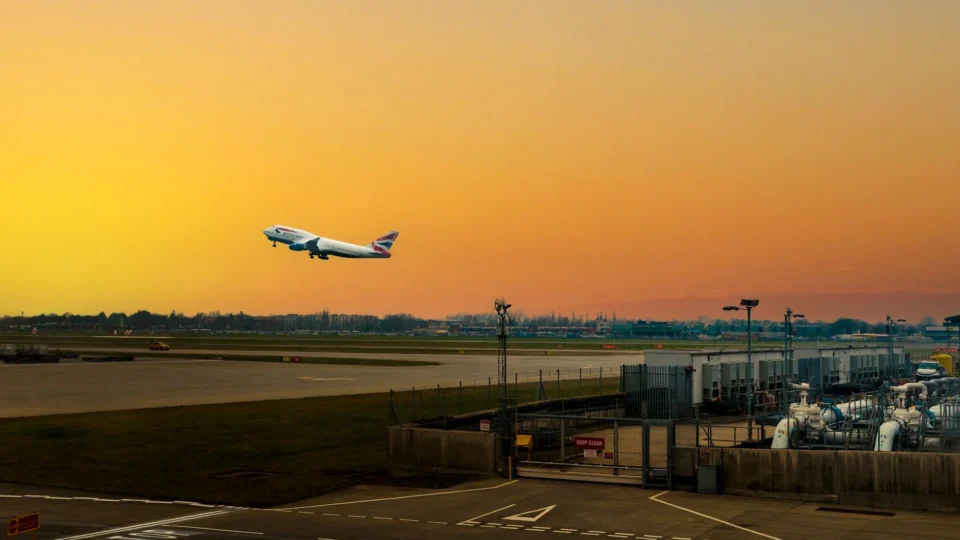 BACKGROUND · How we got here
Balancing Aviation Growth and Climate Goals: The Heathrow Third Runway Dilemma
BACKGROUND · How we got here
Balancing Aviation Growth and Climate Goals: The Heathrow Third Runway Dilemma