




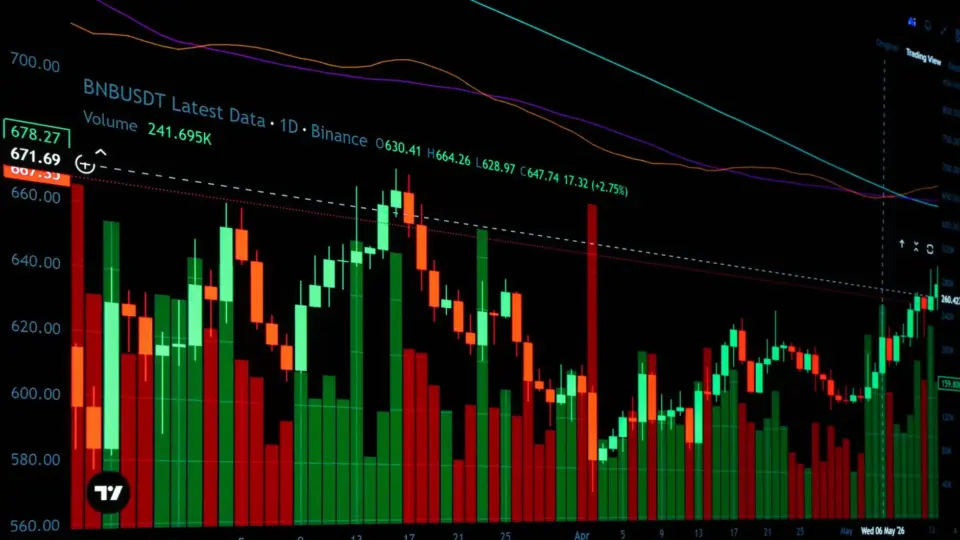



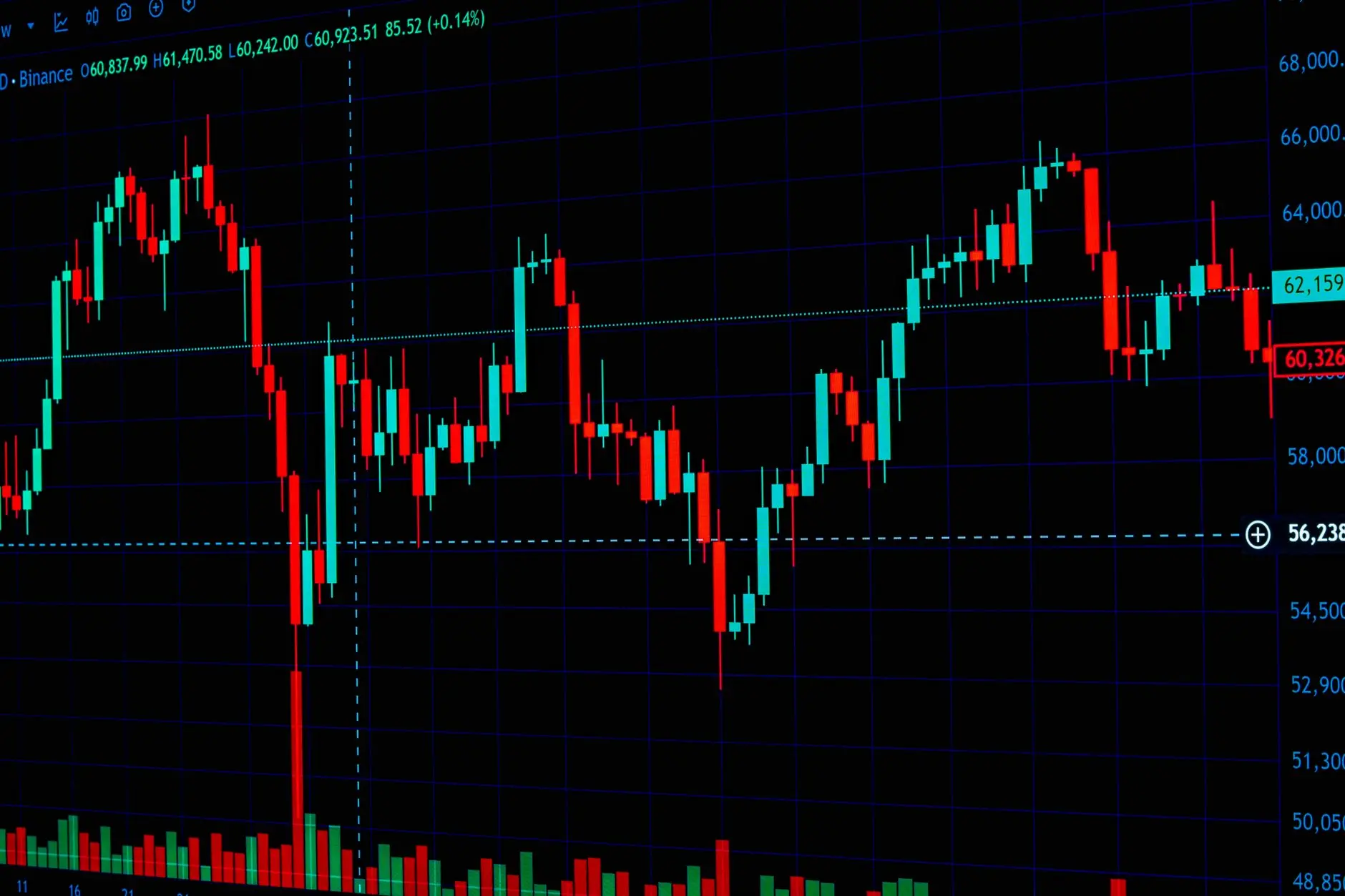
- Retail investors increased stock purchases amid the 2026 market downturn, signaling cautious confidence.
- Their activity contrasts with institutional investors’ widespread deleveraging and risk aversion.
- This dynamic introduces complexity to recovery trajectories, potentially stabilizing prices but also amplifying volatility.
- Retail-driven buying reflects evolving market participation but raises questions about sustainability and systemic influence.
What Happened
The recent market turmoil, characterized as the most severe since 2025, saw a notable surge in retail investor engagement. Despite sharp declines in major indices, individual investors increased their stock purchases, adopting a measured but deliberate buying approach. This behavior diverged from the prevailing institutional response, which largely entailed portfolio de-risking and asset liquidation. Retail traders targeted selective sectors and blue-chip stocks, leveraging digital brokerage platforms that continue to lower barriers to market entry. Their activity was not indiscriminate; it reflected a strategic recalibration amid pervasive uncertainty.
Why It Matters
The intervention of retail traders during periods of market stress carries significant implications for price discovery and recovery patterns. Unlike institutional players, whose large-scale asset reallocations can exacerbate downward spirals, retail investors’ incremental buying can provide liquidity and support price floors. However, this introduces a nuanced risk: retail investors often exhibit behavioral biases and shorter-term horizons, potentially injecting additional volatility once initial optimism wanes. Their participation also signals a shift in market power distribution, raising questions about how retail sentiment shapes broader investor confidence and market resilience.
Industry Context
Since the democratization of trading through low-cost platforms and mobile apps, retail investors have moved from peripheral players to a formidable market force. The 2025 market disruptions underscored this trend, with retail-driven rallies and sell-offs influencing sector performance and even corporate strategies. Institutional investors, facing macroeconomic uncertainties such as inflation pressures, geopolitical tensions, and tightening monetary policies, have generally favored defensive postures. Retail engagement amid these conditions reveals a parallel narrative: while institutions act on fundamental and quantitative analyses, retail traders often respond to social signals, media narratives, and technical cues, creating a complex interplay between distinct investor classes.
Analysis
The present scenario underscores the dual-edged nature of retail participation in market recoveries. On one hand, retail buying during downturns can mitigate extreme sell-offs, providing a counterbalance to institutional deleveraging. This may prevent liquidity dry-ups and support price stability, fostering conditions conducive to gradual market normalization. On the other hand, retail investors’ collective psychology can be fragile, susceptible to rapid shifts driven by sentiment or external stimuli, which risks episodic volatility spikes. Moreover, the concentration of retail activity in certain sectors or popular stocks may distort valuations, complicating the role of price signals as accurate reflections of underlying fundamentals. Regulatory frameworks and market infrastructure must grapple with these evolving dynamics to ensure orderly functioning.
What to Watch Next
Market observers should monitor several indicators to assess the sustainability of retail-driven recovery momentum. Key metrics include retail trading volumes relative to institutional flows, shifts in sectoral concentration of retail purchases, and patterns of leverage or margin use among individual investors. Additionally, developments in regulatory oversight, particularly concerning market access and investor protections, will influence retail behavior. The response of institutional investors to sustained retail activity—whether accommodative or defensive—will also shape market trajectories. Ultimately, the interplay between retail enthusiasm and macroeconomic headwinds will determine whether this phase signals a durable stabilization or a prelude to further turbulence.
Ask AI about this story
Answers are based on this article and SN Media’s related coverage. AI can make mistakes.
Frequently asked questions
How did retail investors behave during the 2026 market downturn compared to institutional investors?
Retail investors increased their stock purchases in a cautious and strategic manner, targeting selective sectors and blue-chip stocks, while institutional investors engaged in widespread deleveraging and asset liquidation.
What impact does retail investor activity have on market recovery and volatility?
Retail buying can provide liquidity and support price floors, potentially stabilizing markets, but their behavioral biases and shorter-term horizons may also amplify volatility and distort valuations.
What factors should be monitored to evaluate the sustainability of retail-driven market recovery?
Key indicators include retail trading volumes relative to institutional flows, sector concentration of retail purchases, leverage or margin use among retail investors, regulatory developments, and institutional investors' responses to retail activity.
What uncertainties remain about the influence of retail investors on broader market dynamics?
While retail participation signals a shift in market power and can support recovery, it is unclear how sustainable this influence is given retail investors' susceptibility to sentiment shifts and how regulatory and institutional responses will evolve.
Continue the story
 BACKGROUND · How we got here
Dip Buyers Step In: What This Means for the AI Stock Sector’s Resilience
- BACKGROUND · How we got here What the Latest US Stock Futures Rally Means for Global Markets
- BACKGROUND · How we got here The Unraveling of AI Hype: What the $5.7 Trillion Market Rout Means for Tech Investing
- BACKGROUND · How we got here Tech Sector Volatility: What the Data Center Clampdown Means for Chipmakers and Investors
- BACKGROUND · How we got here The Rise and Risks of Systematic Trading in Tech Stock Volatility