




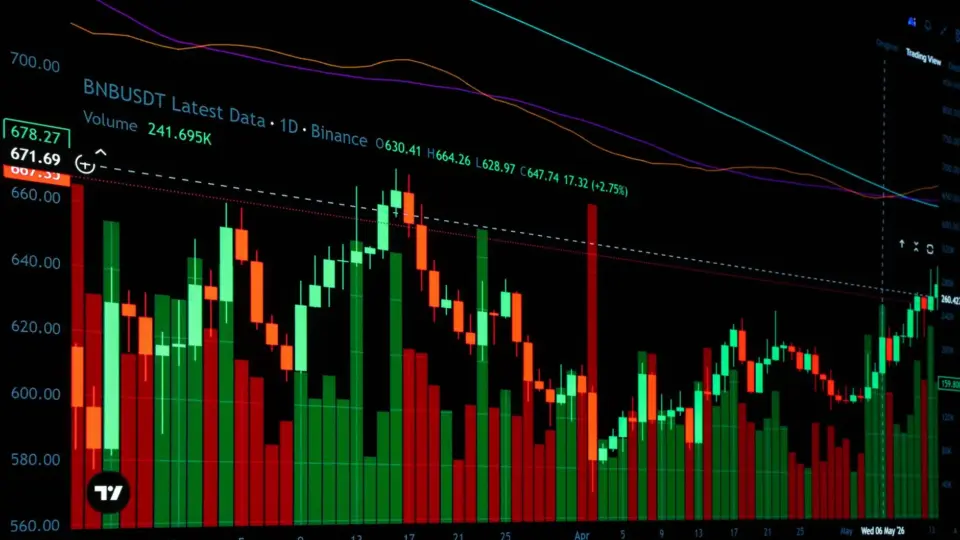




- The Democratic sweep of the US Congress is altering regulatory expectations for technology and AI sectors.
- Heightened uncertainty around US fiscal policy and technological oversight is amplifying global equity volatility.
- European and Asian markets are responding to US political developments with synchronized selloffs in technology stocks.
- Investors are recalibrating risk premia on AI-driven equities amid evolving US policy frameworks.
What happened
The recent midterm elections in the United States resulted in a decisive Democratic victory, granting the party control over both chambers of Congress. This political realignment has immediately influenced global financial markets, notably triggering a pronounced increase in equity volatility across major international exchanges. Equity indices in Europe and Asia experienced synchronous downturns, particularly in sectors related to artificial intelligence (AI) and advanced technology. Market participants are recalibrating expectations for regulatory oversight, fiscal policy, and innovation incentives under the new Congressional majority.
Why it matters
The composition of the US Congress is a critical determinant of regulatory and economic policy, both domestically and globally. Democratic control is widely anticipated to bring more stringent oversight of technology companies, especially those engaged in AI development, data privacy, and competition issues. This shift generates uncertainty around corporate governance, investment incentives, and potential legislative interventions. Given the US’s central role in global finance and technology innovation, these developments ripple through international markets, affecting investor sentiment and the pricing of risk worldwide.
Industry context
Technology firms, particularly those at the forefront of AI, have been key drivers of equity market gains in recent years. However, concerns about monopolistic behavior, data security, and ethical AI use have been mounting. Under the previous divided Congress, regulatory actions were often limited or incremental. The prospect of unified Democratic rule raises the likelihood of comprehensive legislation that could reshape competitive dynamics and investment frameworks. This environment complicates capital allocation decisions, especially for multinational firms with extensive US market exposure and for global investors sensitive to US policy shifts.
Analysis
The Democratic sweep introduces a complex interplay of forces. On one hand, increased regulatory scrutiny may slow growth prospects for certain AI and tech companies, as compliance costs rise and strategic behaviors adapt to new legal constraints. On the other, clearer rules could reduce long-term uncertainty, potentially benefiting firms prepared to align with forthcoming standards. The immediate market reaction—a spike in volatility and sector-specific selloffs—reflects investor anxiety over the transition and the possibility of sudden policy shifts.
Fiscal policy also factors into this dynamic. Democrats’ control may enable more expansive government spending, including on technology and infrastructure, but also raises concerns about taxation and budget deficits. These fiscal elements influence discount rates and investor risk tolerance globally. European and Asian markets, deeply integrated with US technology firms through supply chains and investment flows, are thus sensitive to these policy oscillations.
The AI trade, in particular, embodies these tensions. While AI promises significant productivity gains and competitive advantages, it also attracts heightened political scrutiny. The market’s reaction signals a reassessment of how regulatory frameworks will shape AI’s commercial trajectory and the valuation multiples assigned to related equities.
What to watch next
Market participants will closely monitor legislative developments in Washington, including the introduction and progress of bills targeting technology governance, data privacy, and AI ethics. Statements and actions by key Congressional committees and regulatory agencies like the Federal Trade Commission will provide signals on enforcement priorities. Additionally, fiscal policy decisions related to taxation and government investment in innovation infrastructure will influence risk appetites.
Internationally, the degree to which other governments align or diverge from US regulatory approaches will shape cross-border capital flows and competitive positioning in the technology sector. Investors will also watch corporate earnings reports for insights into how companies are adapting their strategies amid this shifting political landscape.
Ultimately, the evolving US political configuration is recalibrating the global equilibrium between innovation, regulation, and market risk—a process that will unfold over multiple legislative cycles and carry profound implications for equity volatility worldwide.
Ask AI about this story
Answers are based on this article and SN Media’s related coverage. AI can make mistakes.
Frequently asked questions
How has the Democratic sweep of the US Congress affected global equity markets?
The Democratic victory has increased uncertainty around US fiscal policy and technology regulation, leading to synchronized selloffs and heightened volatility in European and Asian equity markets, especially in AI and technology sectors.
Why are technology and AI stocks particularly impacted by the new US Congressional control?
Democratic control is expected to bring more stringent oversight on technology companies, focusing on AI development, data privacy, and competition, which raises uncertainty about regulatory compliance costs and investment incentives for these firms.
What fiscal policy changes are investors concerned about following the Democratic sweep?
Investors are weighing the potential for more expansive government spending on technology and infrastructure against concerns about higher taxation and budget deficits, which affect discount rates and global investor risk tolerance.
What should market participants monitor going forward to understand the impact of US political shifts on equity volatility?
They should watch legislative progress on technology governance, data privacy, and AI ethics bills, regulatory agency actions, fiscal policy decisions, international regulatory alignments, and corporate earnings reports to gauge how companies are adapting to the new political environment.
Continue the story
 BACKGROUND · How we got here
Global Markets React: How US Democratic Sweep Impacts UK and European Stocks
- BACKGROUND · How we got here How US Midterm Election Results Impact European Financial Markets
- BACKGROUND · How we got here What the Latest US Stock Futures Rally Means for Global Markets
- BACKGROUND · How we got here The Risks of AI-Driven Growth: How Investor Sentiment is Shifting in US Markets
- BACKGROUND · How we got here Wall Street Giants Debate the Sustainability of the AI Boom