








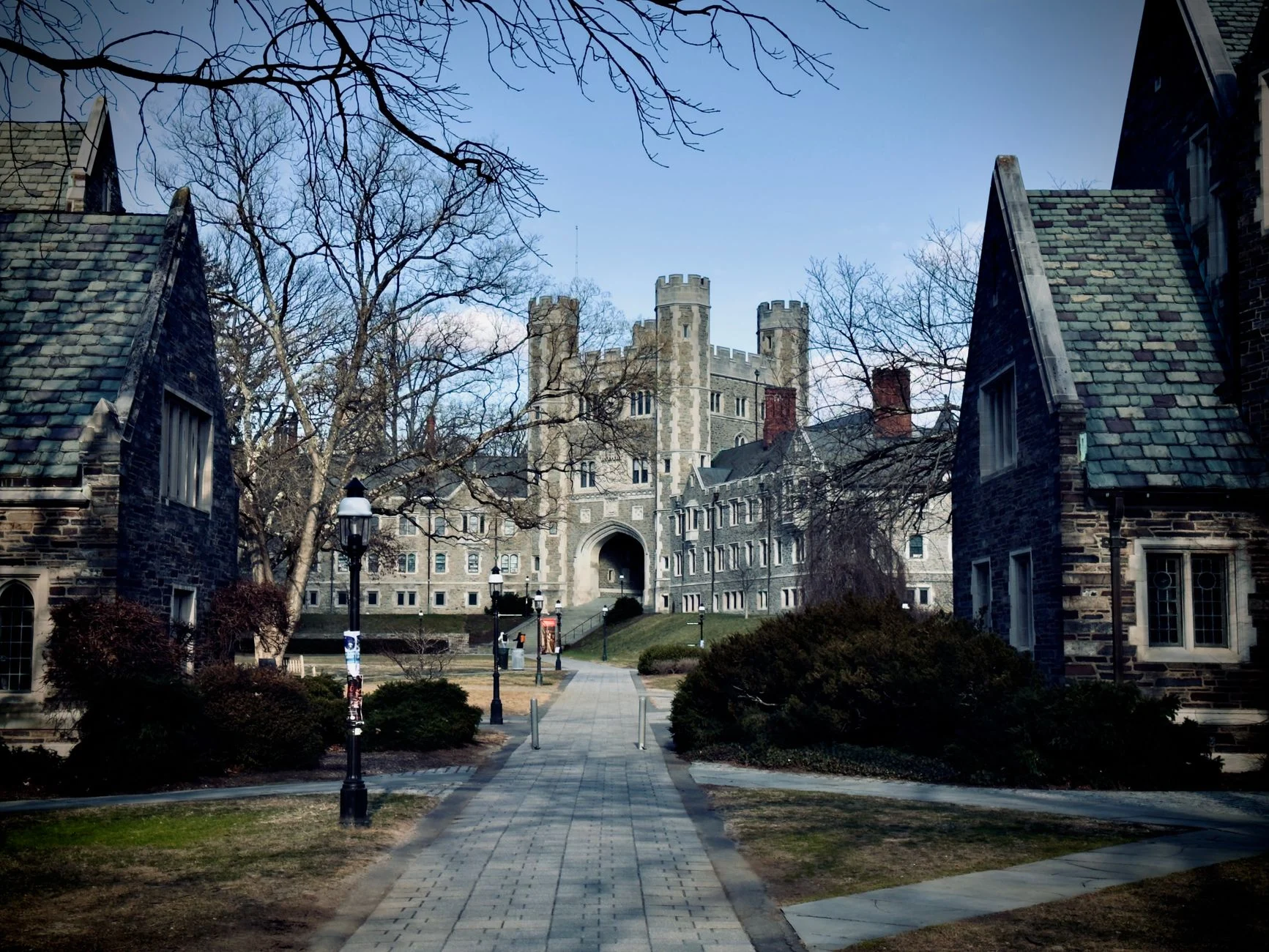
- Villanova’s $170 million campus expansion centers on strategic real estate acquisition to increase student capacity.
- The investment exemplifies a broader trend of US universities leveraging property assets for long-term institutional growth.
- Higher education institutions are navigating demographic shifts and competitive pressures by enhancing campus infrastructure.
- Villanova’s expansion underscores regional ambitions amid evolving funding models and enrollment strategies.
What happened
Villanova University recently completed a $170 million expansion of its campus, primarily achieved through the strategic acquisition of new property in the Philadelphia suburbs. This development increases the university’s physical footprint and student housing capacity, positioning Villanova to accommodate anticipated enrollment growth. The project, which includes upgraded academic facilities and expanded residential options, reflects a deliberate institutional decision to invest heavily in infrastructure rather than relying solely on incremental improvements. The timing coincides with a broader effort to raise Villanova’s profile nationally, leveraging recent high-profile associations such as partnerships with professional sports franchises and prominent public figures.
Why it matters
This expansion is significant because it illustrates how mid-sized private universities are adapting to shifting demographics, competitive funding environments, and evolving student expectations. Villanova’s ability to commit $170 million to campus growth signals confidence in sustained demand for its academic programs despite national trends of enrollment decline in some sectors. The move also highlights the increasing importance of real estate assets in university strategic planning, where campuses are no longer static but dynamic components of institutional branding and recruitment strategies. This investment sends a message about Villanova’s ambitions within the regional and national higher education landscapes, setting a benchmark for similar institutions balancing growth ambitions with financial prudence.
Industry context
The US higher education sector is currently navigating a complex interplay of demographic shifts, including a declining college-age population in many regions, and heightened competition for a smaller pool of prospective students. Institutions are seeking ways to differentiate themselves through enhanced campus amenities, expanded program offerings, and increased capacity to attract out-of-state and international students. Meanwhile, rising operational costs and fluctuating state and federal funding compel universities to explore alternative growth strategies, including property acquisitions and partnerships that can generate new revenue streams or reduce long-term costs. Villanova’s expansion aligns with a growing pattern among private universities that leverage real estate as both a capital asset and a recruitment tool.
Analysis
Villanova’s $170 million campus expansion can be understood as a calculated response to several converging forces. First, the acquisition of adjacent or nearby properties enables the university to control its immediate environment, creating a contiguous and coherent campus experience that can be marketed to prospective students. This spatial consolidation facilitates the development of modern residential facilities—an increasingly critical factor in student choice. Second, the scale of the investment reflects confidence in the university’s brand and its ability to attract tuition-dependent revenue despite broader market uncertainties. Third, this expansion addresses competitive pressures from both regional peers and elite national institutions, where campus quality increasingly functions as a proxy for institutional prestige. The project also implicitly acknowledges the need to diversify revenue sources and invest in assets that are likely to appreciate or provide operational efficiencies over time.
However, such expansions carry trade-offs. Committing significant capital to physical infrastructure increases financial risk, particularly if enrollment projections fail to materialize. It also raises questions about sustainability, given the environmental impact of large-scale construction and ongoing maintenance costs. Additionally, these investments may shift institutional priorities towards growth metrics rather than academic innovation or affordability, potentially influencing governance dynamics and stakeholder expectations.
What to watch next
Future developments at Villanova will reveal how effectively the university leverages its expanded campus to sustain enrollment and enhance educational outcomes. Observers should monitor enrollment trends, particularly the balance between in-state, out-of-state, and international students, as well as the impact of improved facilities on retention and graduation rates. Financial performance reports will shed light on the return on investment from this expansion amid fluctuating tuition revenue and operational expenses. At a sectoral level, Villanova’s approach may influence other mid-tier private institutions weighing similar strategies, especially regarding real estate acquisitions as a lever for growth. Finally, the broader implications for regional higher education ecosystems merit attention, as campus expansions can reshape local housing markets, transportation infrastructure, and community-university relations.
Ask AI about this story
Answers are based on this article and SN Media’s related coverage. AI can make mistakes.
Frequently asked questions
What is the main purpose of Villanova University's $170 million campus expansion?
The expansion aims to increase student capacity and improve campus infrastructure through strategic real estate acquisition, positioning Villanova for anticipated enrollment growth and enhanced institutional profile.
How does Villanova's expansion reflect broader trends in US higher education?
It exemplifies how mid-sized private universities are responding to demographic shifts and competitive pressures by investing in real estate assets to support growth, improve recruitment, and diversify revenue sources amid funding challenges.
What are the potential risks or trade-offs associated with Villanova's investment in campus expansion?
The significant capital commitment increases financial risk if enrollment targets are not met, raises sustainability concerns due to environmental and maintenance costs, and may shift institutional focus toward growth metrics over academic innovation or affordability.
What future indicators will show whether Villanova's expansion is successful?
Key indicators include enrollment trends across student demographics, retention and graduation rates, financial performance related to tuition revenue and expenses, and the broader impact on regional higher education and local communities.
Continue the story
 LATEST
How Early Venture Investments in SpaceX Transformed University Endowments
LATEST
How Early Venture Investments in SpaceX Transformed University Endowments
- LATEST S&P 500’s Resurgence: What It Means for Global Economic Stability
- LATEST How Nobel Prize-Winning Decision Science is Shaping Modern Investment Strategies
- LATEST How Rising US Mortgage Rates Are Reshaping the Housing Market Landscape
- LATEST How Napa Valley’s Premium Wines Are Reaching Budget-Conscious Consumers