
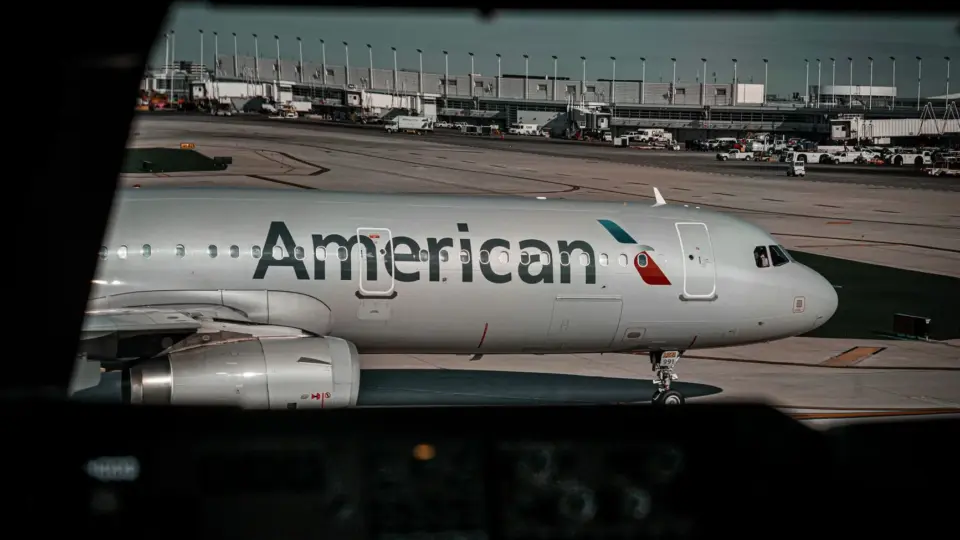







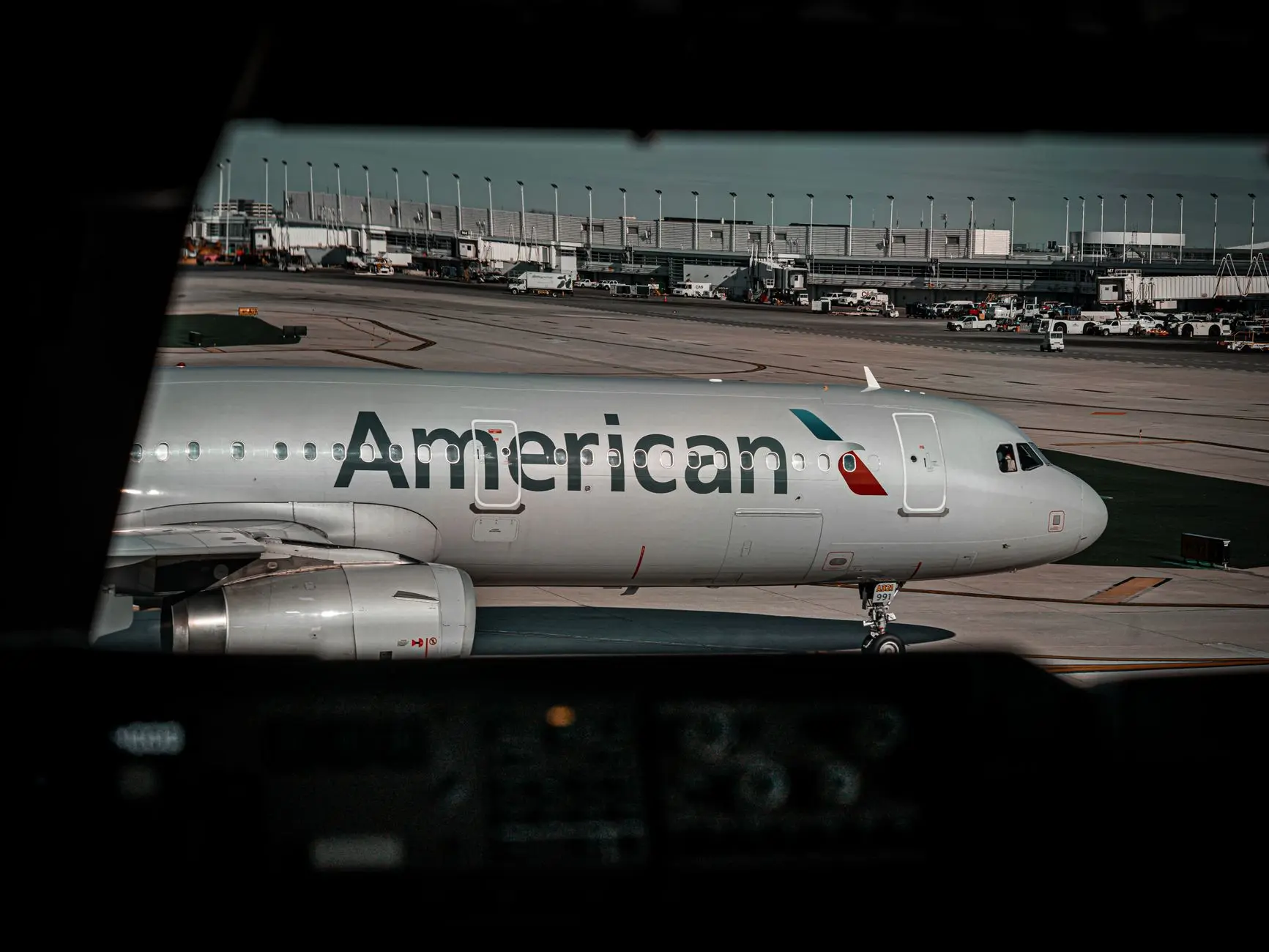
- Taxiing phases present elevated risk for ground collisions due to limited spatial margins and complex traffic flows.
- Communication breakdowns and situational awareness gaps between flight crews and ground control are frequent contributors to taxi incidents.
- Airport layout and signage critically influence the complexity and safety of aircraft ground movements.
- Systematic procedural reviews following incidents can mitigate recurring risks and improve operational safety culture.
What happened
At Washington Reagan National Airport, two American Airlines aircraft experienced a ground collision during taxiing when the wing of one plane clipped the fuselage of another. Both aircraft were maneuvering along adjacent taxiways, preparing for departure when the incident occurred. There were no injuries reported, but the event caused delays and required inspections before flights could resume. Preliminary reports indicate that the limited clearance between taxi routes combined with simultaneous movements contributed to the miscalculation by the flight crews.
Why it matters
Ground collisions, while less visible than runway incursions or in-flight incidents, represent a persistent hazard in airport operations with potential for serious damage and disruption. This episode at Reagan highlights how even routine phases—when aircraft are not airborne—can be vulnerable to operational lapses. The financial and reputational costs for airlines and airports are significant; more importantly, such events expose latent vulnerabilities in ground control procedures and infrastructure design that, if unaddressed, may escalate into more severe accidents.
Industry context
Air traffic management on the ground involves intricate coordination among pilots, ground controllers, and airport authorities. Taxiways often operate at capacity, especially at busy metropolitan airports like Reagan, where spatial constraints limit the room for maneuvering. The ICAO and FAA set guidelines for minimum separation distances and signage standards, yet the practical implementation varies with airport topology and traffic volume. With the increasing size and wingspan of modern aircraft, traditional taxi routes sometimes fall short of accommodating safe clearances during simultaneous movements.
Analysis
The Reagan incident underscores the multifaceted risks inherent in taxi operations. The interplay between human factors—such as pilot situational awareness and controller communication—and physical infrastructure constraints is central. Pilots rely heavily on clear, unambiguous instructions and visual cues; any ambiguity can lead to spatial misjudgments. Meanwhile, controllers must manage multiple aircraft with shifting priorities, often under time pressure. The spatial design of taxiways, including intersection angles and holding points, must account for the largest aircraft types routinely operating at the airport to prevent close encounters.
Beyond individual errors, there is a systemic element: taxiway design often reflects legacy airport layouts not fully optimized for contemporary traffic patterns or aircraft dimensions. Enhancements such as advanced surface movement radar, improved ground signage, and real-time monitoring can reduce reliance on human judgment alone. Additionally, procedural standardization—such as mandatory readbacks of taxi instructions and strict adherence to speed limits—can diminish the probability of conflicts.
What to watch next
Airports and regulatory bodies are likely to intensify scrutiny of taxi procedures in the wake of such incidents. Observers should monitor any forthcoming FAA or ICAO advisories addressing ground movement protocols or airport infrastructure standards. Technological innovations—including augmented reality aids for pilots and expanded use of automated surface movement guidance—may gain traction as tools to enhance taxi safety. Finally, how American Airlines and other carriers respond with internal procedural revisions or training updates will provide insight into evolving industry practices aimed at mitigating taxiing risks.
Ask AI about this story
Answers are based on this article and SN Media’s related coverage. AI can make mistakes.
Frequently asked questions
What caused the ground collision between the two American Airlines planes at Reagan Airport?
The collision occurred during taxiing when the wing of one plane clipped the fuselage of another due to limited clearance between taxi routes and simultaneous movements, leading to miscalculation by the flight crews.
Were there any injuries or flight disruptions resulting from the incident?
No injuries were reported, but the incident caused delays and required inspections before the affected flights could resume.
What factors contribute to the risks of ground collisions during taxiing according to the article?
Risks arise from limited spatial margins, complex traffic flows, communication breakdowns, situational awareness gaps, and airport layout constraints that may not accommodate modern aircraft dimensions adequately.
What measures are suggested or expected to improve taxiing safety after incidents like this one?
Potential improvements include procedural standardization, enhanced ground signage, advanced surface movement radar, real-time monitoring, and technological aids such as augmented reality for pilots, alongside regulatory scrutiny and internal airline procedural revisions.
Continue the story
 BACKGROUND · How we got here
The Hidden Costs of America’s Aviation Infrastructure Neglect
- BACKGROUND · How we got here How US Air Traffic Control Outages Expose Vulnerabilities in National Infrastructure
- BACKGROUND · How we got here How United Airlines’ Tech Outage Highlights Vulnerabilities in Airline IT Infrastructure
- BACKGROUND · How we got here Analyzing the Surge in High-Profile Tech Outages: Are They Truly Unrelated?
- BACKGROUND · How we got here How Washington’s AI Strategy Is Reshaping Global Tech Competition